Venus of Willendorf
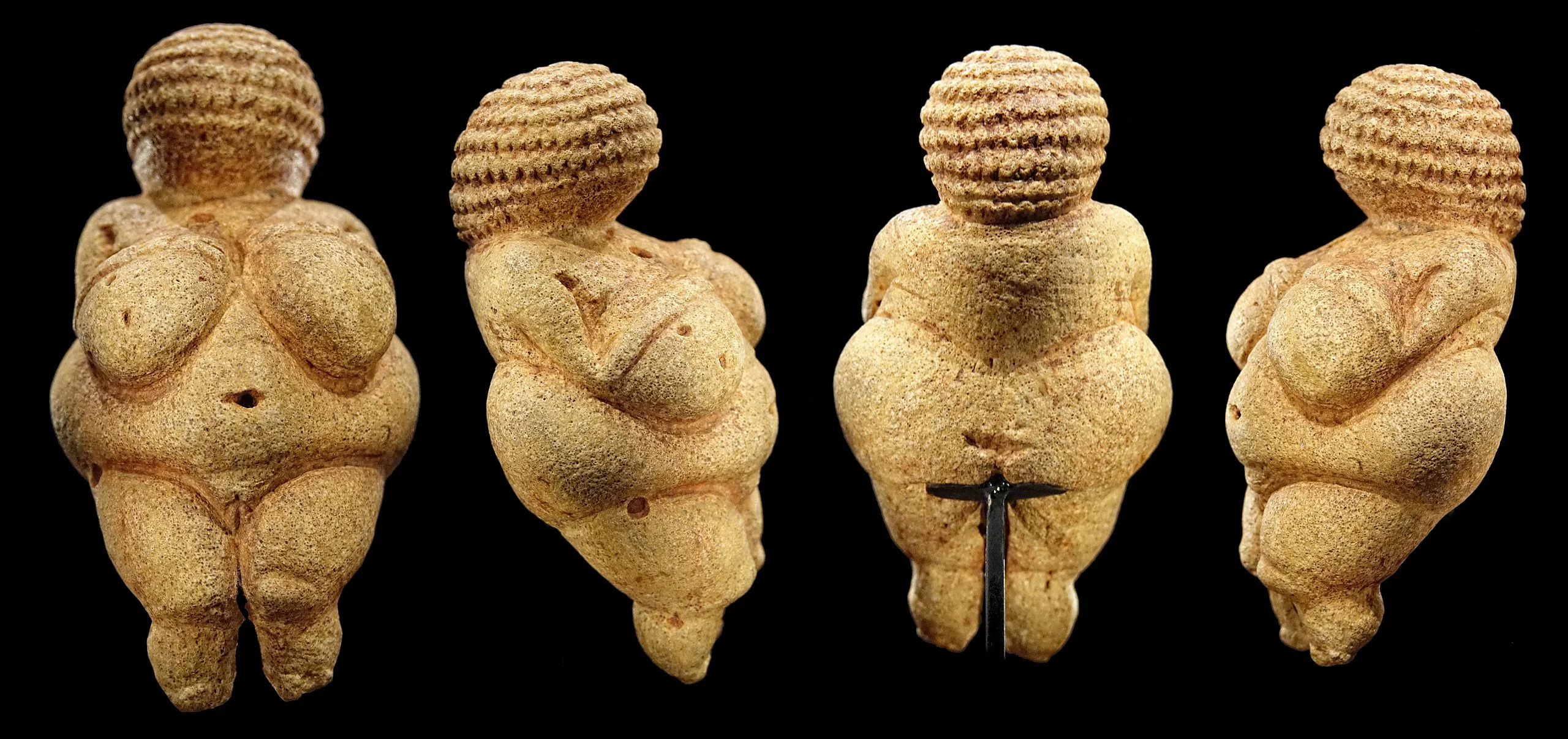
The Venus of Willendorf is one of the most iconic prehistoric sculptures, dating to around 28,000–25,000 BCE during the Upper Paleolithic period.

Discovered in 1908 near the village of Willendorf in Austria, the small limestone figurine—standing just over 11 centimeters tall—depicts a voluptuous female figure with exaggerated breasts, abdomen, and hips.
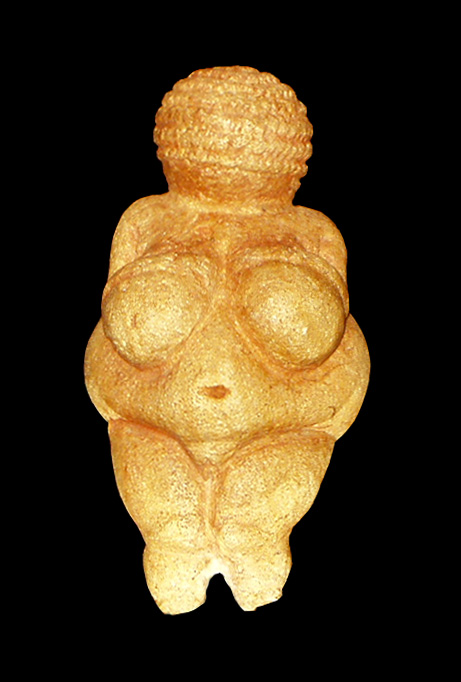
These emphasized features are commonly interpreted as symbols of fertility, abundance, and the continuity of life. The figurine’s detailed textured head and lack of facial features suggest a focus on the body’s symbolic meaning rather than individual identity.
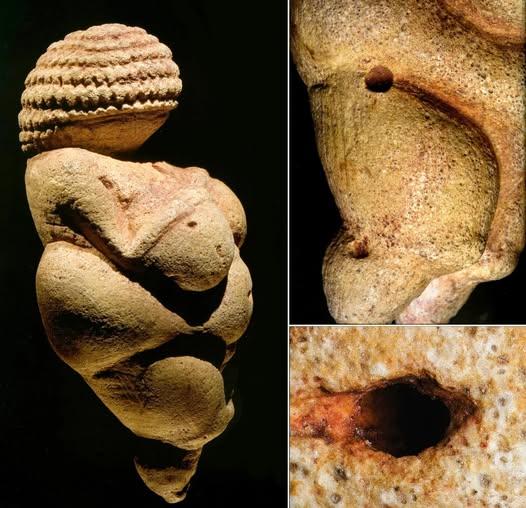
As one of the most famous “Venus figurines,” the Venus of Willendorf provides valuable insight into early human beliefs, artistic expression, and representations of the female form in prehistoric Europe.