Statue of the Maya Maize God from Copan
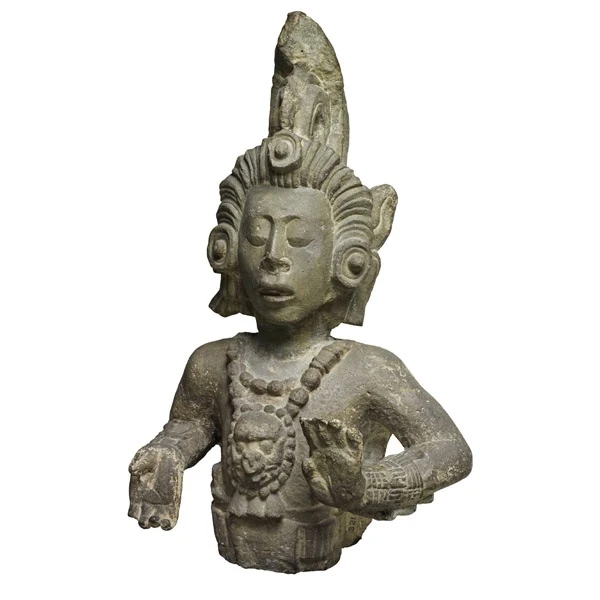
Statue of the Maya Maize God from Copan, Honduras, dating to 715 CE. British Museum.
The Maya Maize God is one of the most important deities in ancient Maya religion, embodying life, renewal, and the sustaining power of agriculture.
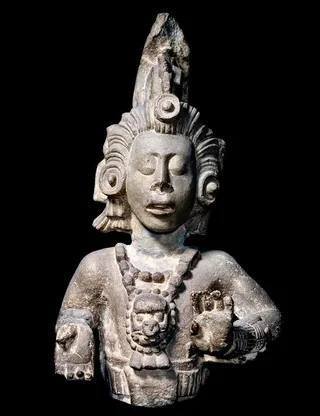
Often depicted as a youthful and graceful figure with an elongated head resembling an ear of corn, the Maize God symbolizes the cycle of birth, growth, death, and rebirth central to Maya cosmology.
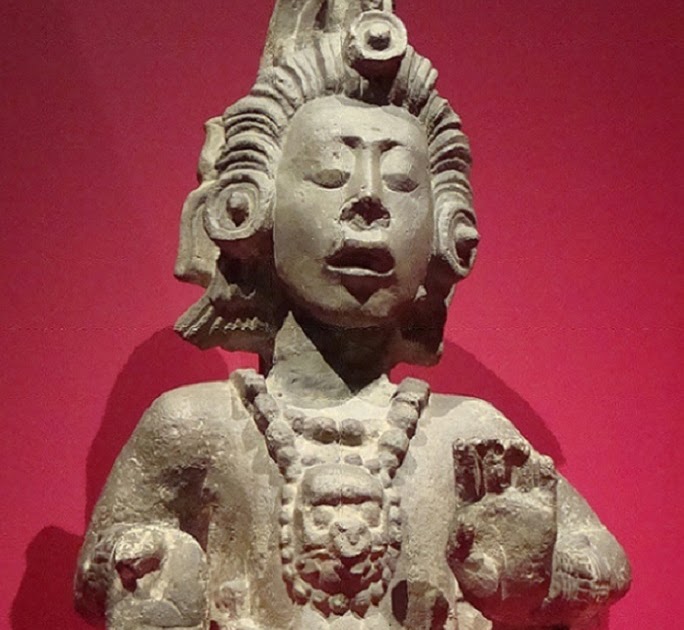
According to myth, humanity itself was created from maize dough, making this deity not only a provider of nourishment but also a divine ancestor of humankind. Artistic representations—found in murals, ceramics, and carved stelae—show the Maize God emerging from the earth or from a turtle shell, reflecting themes of resurrection and the fertility of the land.
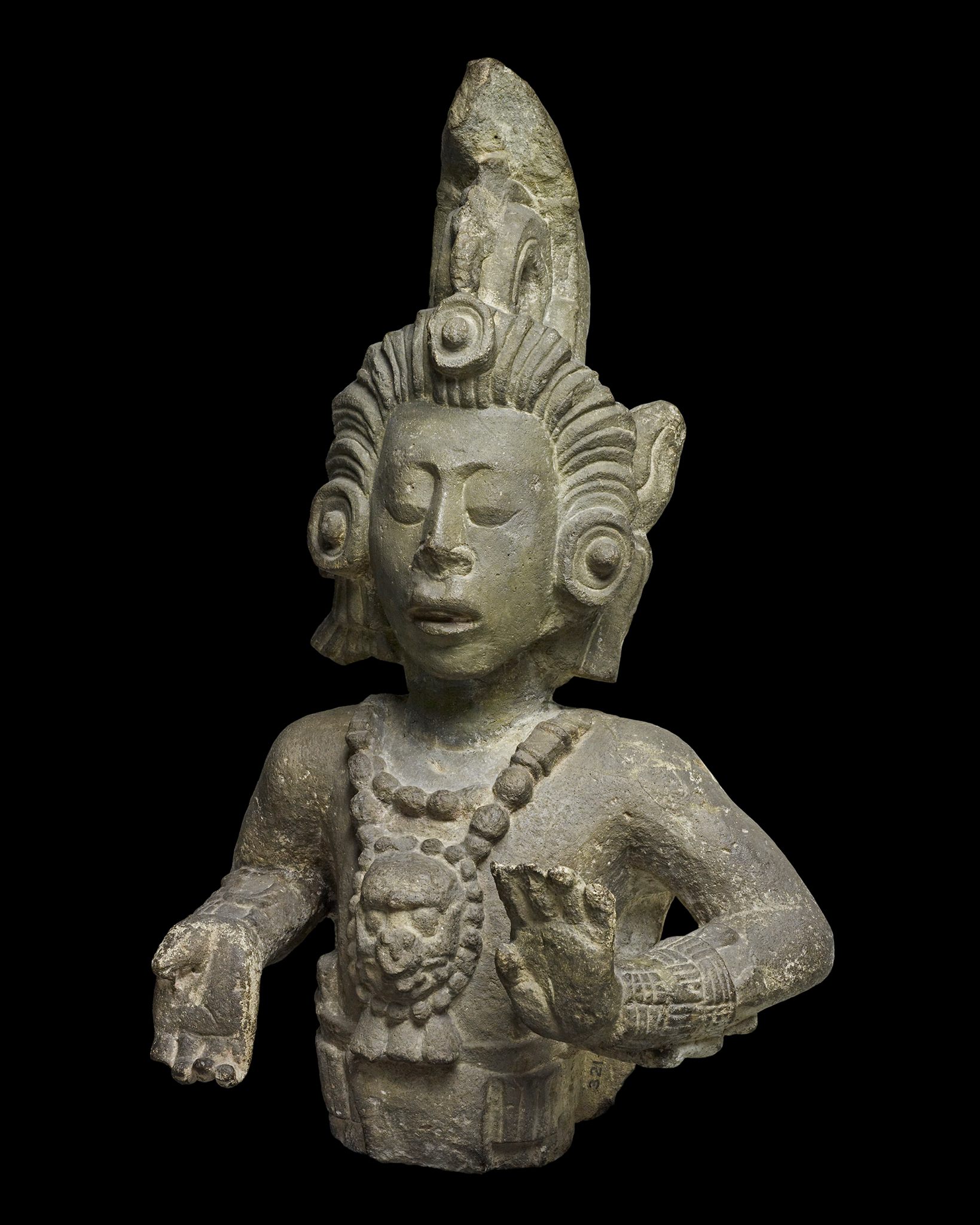
As the core staple of Maya life, maize shaped both daily existence and spiritual belief, and the Maize God remained a powerful emblem of prosperity, abundance, and the sacred connection between people and the natural world.