The Spark of an Idea: Mila’s Journey to Representation
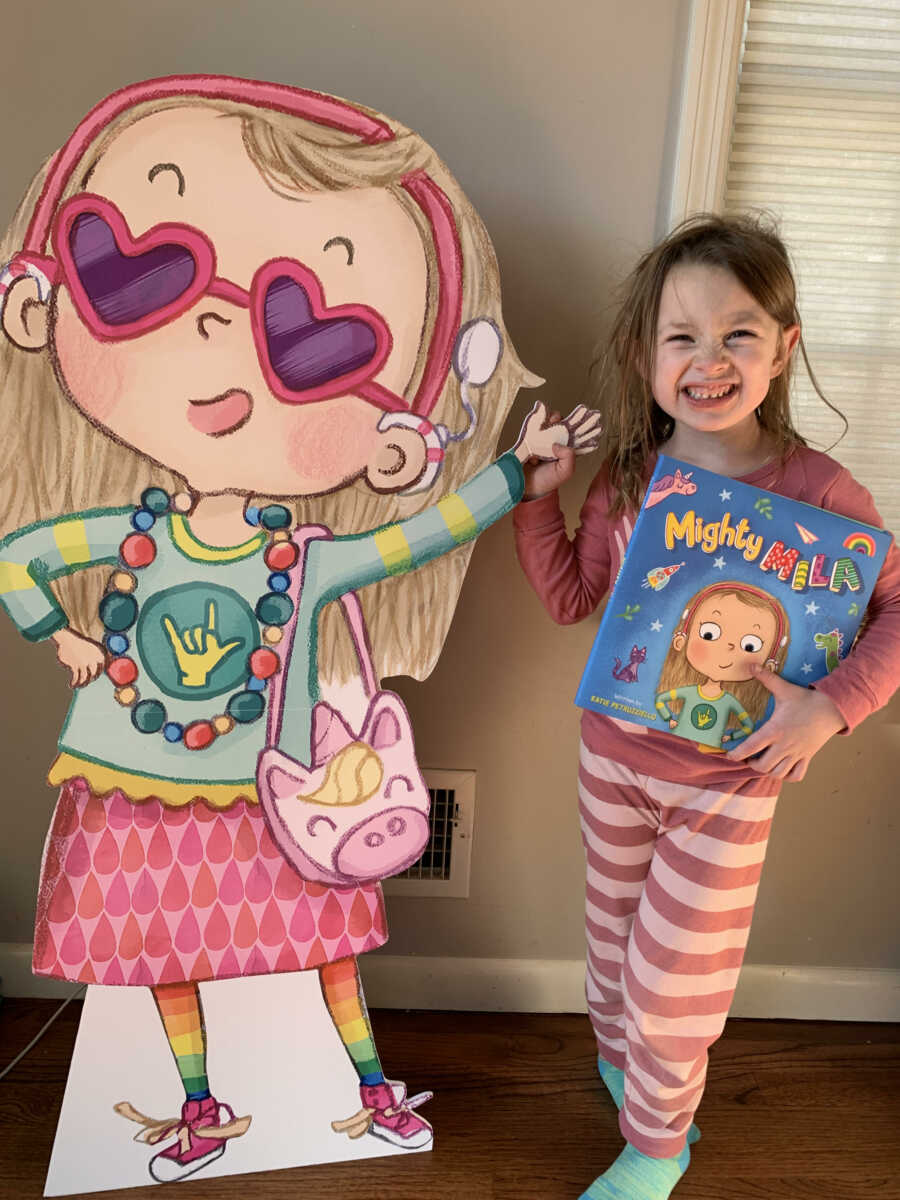
When my daughter Mila was three years old, she asked me a question that stopped me cold:
“Mommy, why doesn’t anyone in my books have cochlear implants like me?”
Her voice was soft, but her words hit with the force of a storm. I could see the confusion in her eyes, that small sting of loneliness that no child should ever feel. In that moment, it became painfully clear that something was missing in the world she was growing up in. Children like her—deaf or hard of hearing, full of personality and dreams—were almost invisible in mainstream children’s books. And if I didn’t step up to change that, who would?
What followed was two intense years of late nights, trial and error, and learning everything I could about self-publishing. When my day job ended and the kids were asleep, I would open my laptop and work until my eyes blurred. From character sketches to manuscript drafts, every detail mattered. Eventually, those quiet hours turned into Mighty Mila, a picture book about a bold, imaginative girl with hearing loss who refuses to back down from any challenge. What started as a personal project quickly grew into something more: a mission to raise awareness, expand inclusion, and create a space for kids who had been overlooked for far too long.
The Unexpected Beginning
The spark that led to Mighty Mila didn’t appear overnight. It began years earlier, when Mila was a newborn. In the maternity ward, a nurse gently told us she hadn’t passed her newborn hearing test. We were stunned. No one in our family had a history of hearing loss. For two bewildering young parents, it felt like our world shifted in an instant.
After several follow-up tests, we were told that her hearing was within normal limits but should be monitored. We tried to carry on as usual, hoping that first test had been nothing more than a glitch.
For the first year, Mila seemed to respond to sound like any child. She startled at loud noises, babbled happily, and reacted to familiar voices. But at her one-year checkup, she failed her hearing test again. This time, more testing followed—and more unsettling results. Finally, we received the official diagnosis: mild sloping to moderate sensorineural hearing loss.
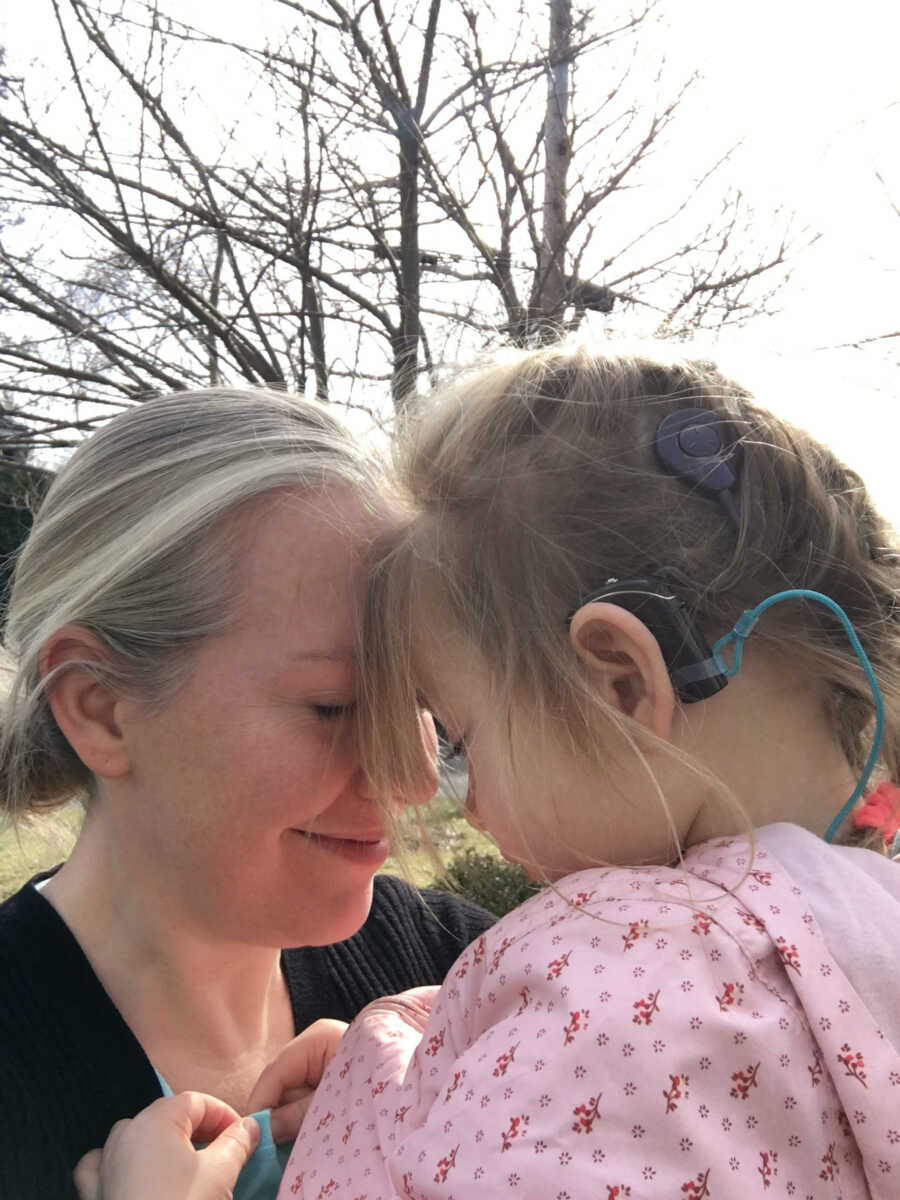
The words felt heavy, unfamiliar, and frightening. But at the same time, something inside us steadied. We knew we had to move—quickly. We enrolled her in early intervention services, met with specialists, and began the search for hearing aids. That’s when we saw something remarkable in our daughter. Even at 15 months old, Mila embraced her new hearing aids with a kind of fearless joy. She insisted on sparkly ear molds and colorful retention cords, showing them off like accessories. She wasn’t just adapting—she was owning her identity.
A New Challenge
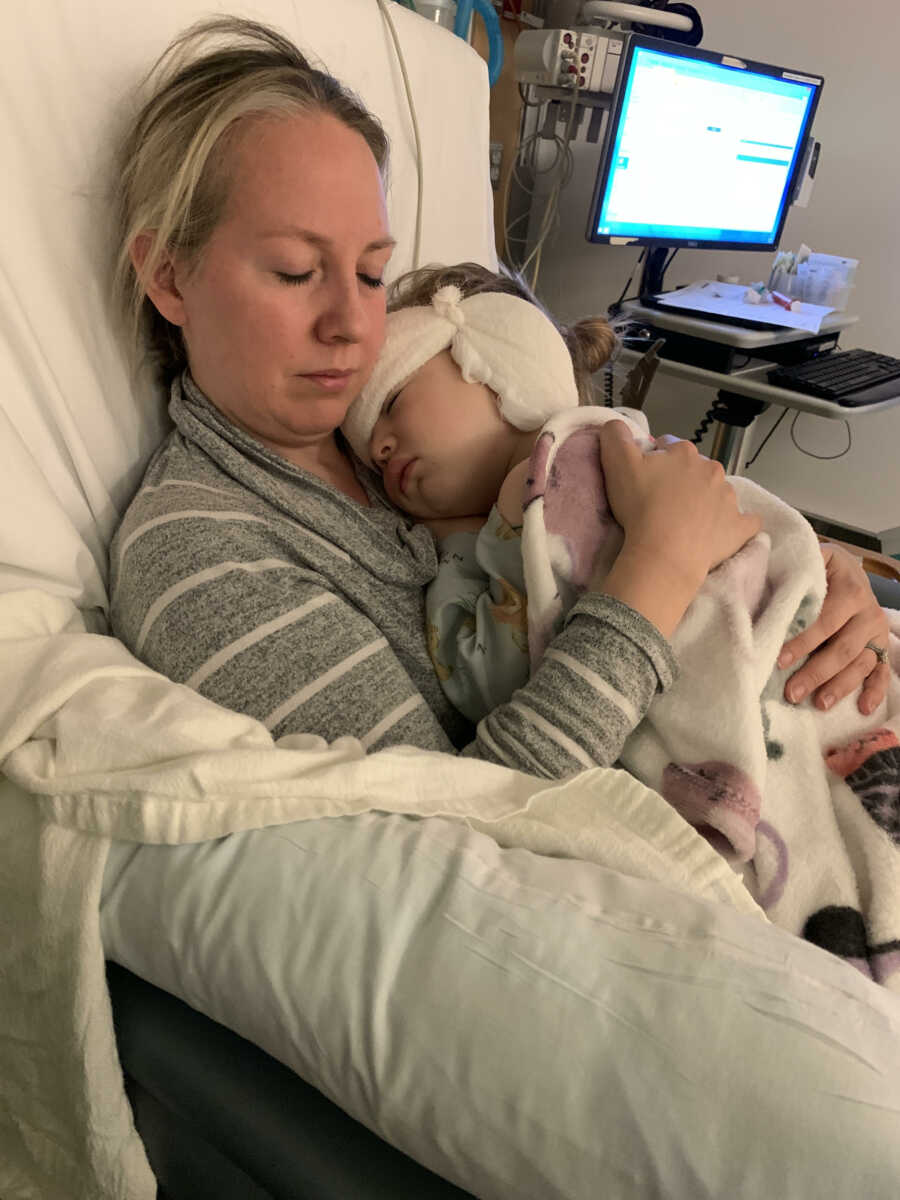
Just as we began to settle into a routine, Mila’s hearing began to decline rapidly. The hearing aids that once helped her access the world were no longer enough. After consulting with her audiology team, we made the difficult decision to proceed with cochlear implant surgery.
The timing couldn’t have been worse. The world was in lockdown, hospitals had strict restrictions, and uncertainty hung over everything. But Mila, true to form, walked into each appointment with confidence. She adapted quickly to her new devices, surprising even her doctors.
I will never forget the moment she chose her implant colors. The audiologist presented two options: brown, which would blend in with her hair, or white, which would stand out. Without hesitation, Mila chose the white pair. She wanted them visible. She wanted them bright. She wanted them hers. With sparkly decals and matching headbands, she turned her implants into a statement of identity rather than something to hide.
The Question That Changed Everything
As Mila grew older, her confidence never faded. She loved to explain how her implants worked, loved when other kids asked questions, loved every chance to share her world. But at three years old, sitting on my lap with her stack of picture books, she finally noticed something I had tried to ignore.
No one in her books looked like her.
That realization hit me harder than any diagnosis. Representation isn’t a luxury—it’s a lifeline. When children never see themselves reflected in books, toys, or television, the message is subtle but damaging: You don’t belong.
And when children without hearing loss are never exposed to cochlear implants or hearing aids, misunderstanding grows. Curiosity turns to discomfort. Discomfort turns to distance.
Something had to change.
Building a Book That Didn’t Exist
That night, I opened a blank document and began writing Mighty Mila. I wanted Mila—and every child like her—to see a character who was brave, joyful, curious, and capable. A character defined not by hearing loss, but by her imagination and determination.
The process was long, often exhausting, and filled with moments of doubt. But slowly, the book took shape. Mila helped choose outfits for the illustrations. She offered opinions on colors, hairstyles, and poses. She even practiced signing books with me when the first copies arrived.
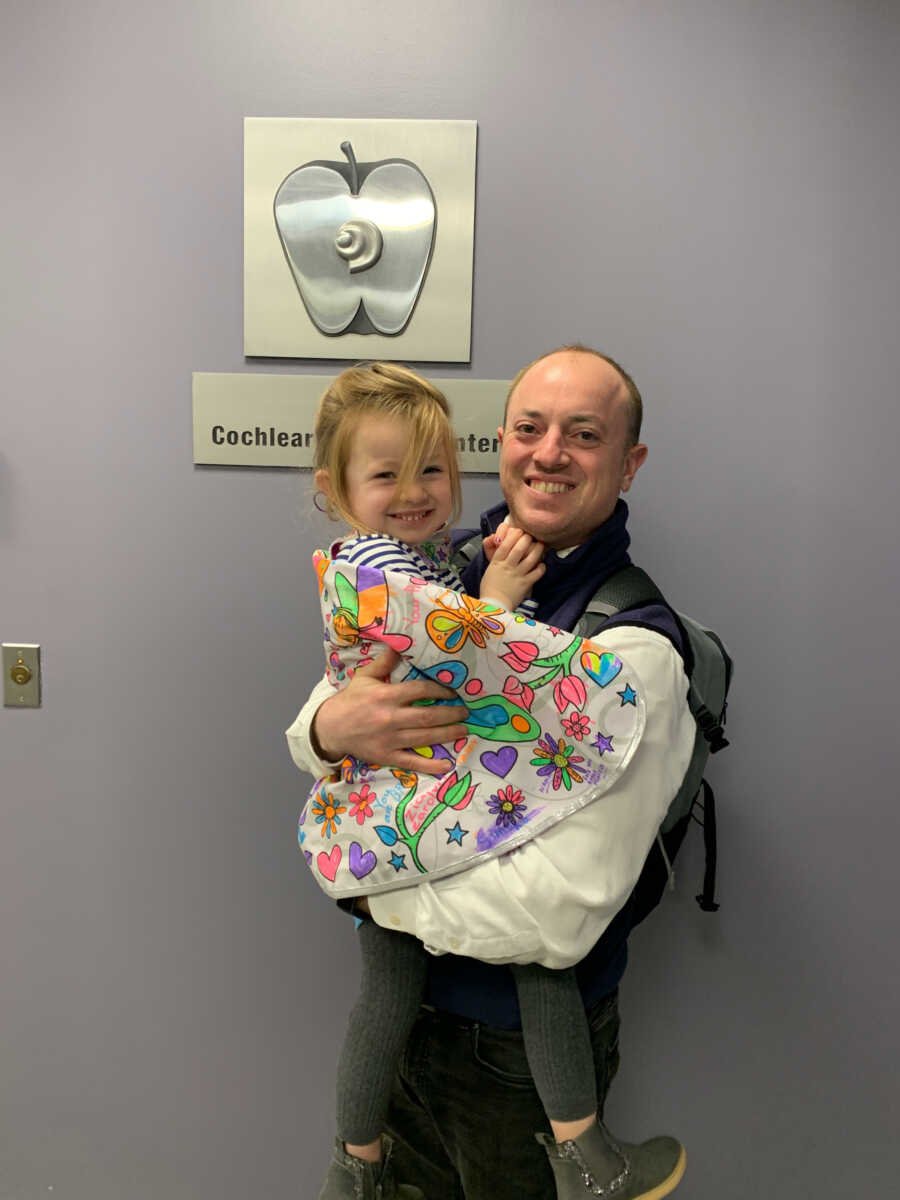
The response was beyond anything I expected. Parents, teachers, and audiologists sent messages filled with gratitude. Some included photos of children proudly holding the book, staring at a character who looked like them for the first time. Those pictures meant more to me than any award—though Mighty Mila did go on to win several prestigious gold recognitions.
The Pushback and the Proof
Not everyone believed the book would succeed. One bookstore owner told me flatly that “no one will buy a book with a character who has cochlear implants.” I left the store discouraged but not defeated. Because every parent who emailed me, every educator who added the book to their classroom, and every child who smiled at Mila’s story proved the opposite.
Inclusion doesn’t limit a story’s appeal. It expands it.
Looking Ahead
As a mother, I still worry about what Mila will face as she grows older. But I also see her strength. Her confidence. Her joyful acceptance of who she is. And I know she will continue to defy expectations.
Mighty Mila began with one child’s question. Today, it stands as a reminder that representation matters—not someday, but now. And as long as children like Mila continue to shine, I’ll keep writing stories that help them see the power in embracing every part of who they are.