Gabriel’s Tiny Heart: Fighting Life-Threatening Defects Before His First Breath
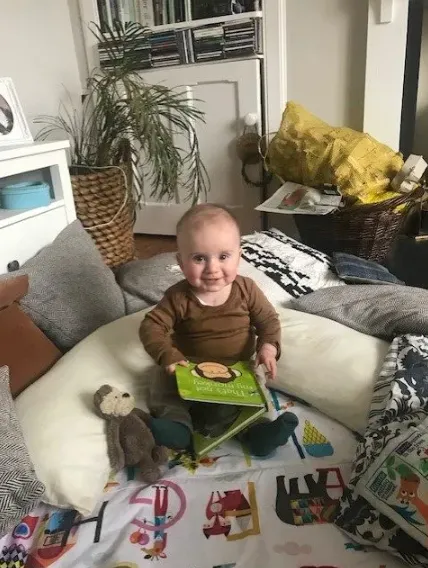
From the moment Gabriel’s heart defect was discovered during a 20-week scan, life as his parents knew it changed forever.
Jen and her partner were devastated when the sonographer whispered words no parent ever wants to hear: “I think there’s something wrong with your baby’s heart.” Fear, disbelief, and confusion crashed over them like waves.
They were immediately referred to Fetal Medicine in Edinburgh and then to Glasgow the following week. The official diagnosis confirmed their worst fears: Gabriel had Double Outlet Right Ventricle (DORV), Transposition of the Great Arteries (TGA), and a Ventricular Septal Defect (VSD).
The consultant explained the gravity of the situation. Gabriel’s conditions were rare and severe. He would likely require at least one open-heart surgery in the first hours of life. “Challenging journey” was an understatement.
Jen was told not to Google it, but she did. The internet became both a curse and a lifeline. Stories from Tiny Tickers and other heart families offered hope amidst despair.
The Pregnancy Under Lockdown
Shortly after, COVID-19 lockdowns complicated prenatal care. Jen was grateful she could attend scans with her partner — a small mercy in uncertain times. Anticipation and anxiety intertwined as they prepared for Gabriel’s birth in Glasgow, where specialized care would be ready immediately.
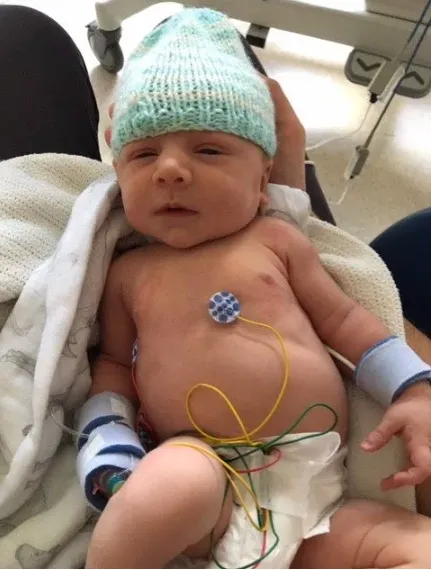
On June 20, Gabriel arrived at 7lbs 4oz, crying and pink. It was a brief, magical moment before he was whisked away to NICU. Jen’s heart soared and sank simultaneously — their baby was alive, yet already separated from them.
Gabriel stabilized remarkably well at first. Within two days, he was transferred to the children’s cardiac ward. The VSD allowed some blood mixing, keeping oxygen saturations in the 90s. Surgery was not immediate. Jen and her partner clung to fragile hope for a normal newborn experience.
After only five days, they were sent home. The long hospital stay they expected dissolved into the fragile joy of bringing Gabriel home — though lurking anxiety shadowed every smile and cuddle.
The First Crisis
The first week passed in a haze of exhaustion and wonder. But Gabriel’s feeds became weaker. His sleep grew deeper, and his tiny body lost weight. By July 6, just two weeks old, the purple tint on his feet was unmistakable. Panic overtook Jen, and they rushed him to A&E in Edinburgh.
The hospital stay restarted, complicated by COVID isolation rules. Only one parent could be on the ward at a time, creating an emotional labyrinth of brief visits and fragmented presence.
Gabriel’s condition worsened. He struggled to feed, required NG tube support, and passed blood in his nappies — stark reminders that his tiny body faced multiple crises.
One night, a high fever of 39°C sent them into terror. Sepsis and meningitis were suspected. Jen watched helplessly as doctors attempted IV access in his fragile veins. Gabriel screamed — a sound that etched itself into her memory. Fortunately, antibiotics stabilized him; the infection turned out to be kidney-related.
Surgery Looms
Heart failure appeared in Gabriel’s notes, confirming time was critical. After two weeks, a surgery date was set. But upon arrival at the cardiac ward, the consultant halted the operation. Bleeding issues and low weight made bypass impossible. The parents felt defeated, knowing the road ahead was long.
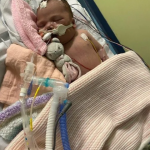
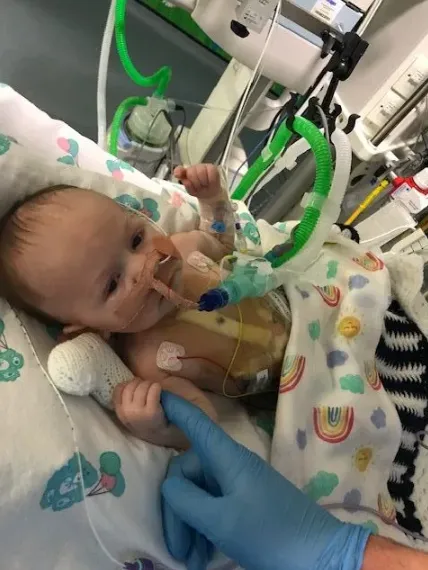
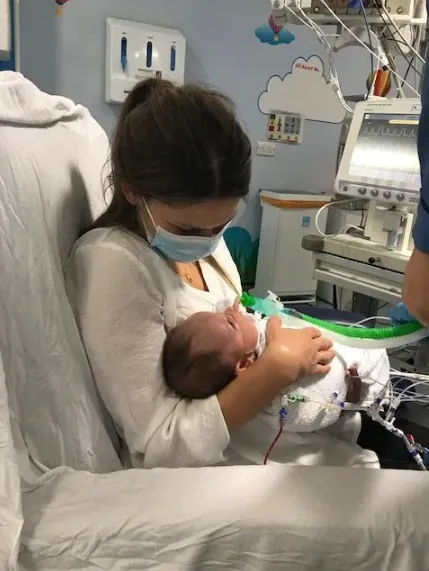
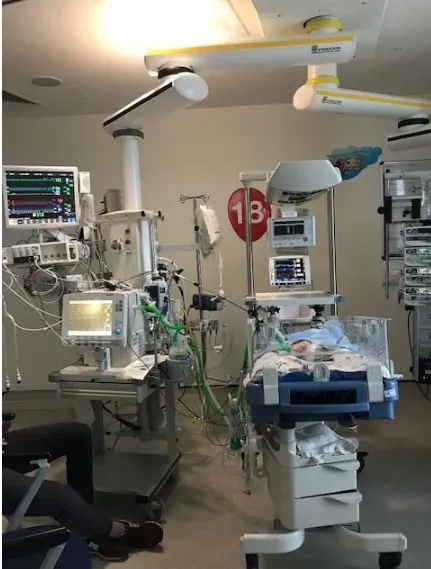
The next day, disaster struck. During a routine NG feed, Gabriel choked, inhaling milk into his lungs. Oxygen levels plummeted to 53%. Jen turned away as doctors rushed to stabilize him. He was admitted to PICU, ventilated and sedated, surrounded by hundreds of wires and tubes. The sight was shocking, yet the nursing staff guided the parents through the machines and medications, offering a thread of reassurance amidst chaos.
Gabriel’s body needed rest before surgery. Feeds were halted, and a high-risk abdominal plan was enacted. The family stayed at Ronald McDonald House, vigilantly sitting by his cot, speaking to him, hoping their presence could be felt.
Surgery and Recovery
A surgery date was finally set: full arterial switch and VSD patch. Risks were enormous — prolonged bypass, possible ECMO, life-threatening complications — but Gabriel had to fight.
The day arrived. Jen and her partner walked him to theatre doors, a surreal mix of dread and hope. That evening, the surgeon called: the operation was a success. His chest was being closed — a monumental step in a journey defined by perseverance and courage.
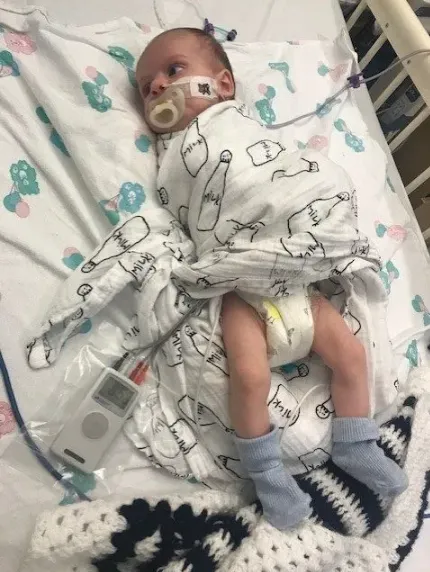
The next 48 hours remained critical. Gabriel returned to intensive care, hooked to monitors and chest drains. His tiny body healed from immense trauma. Yet he responded quickly, awake and moving within hours, astonishing medical staff and parents alike.
Post-surgery complications tested the family further: heart rate fluctuations required pacing, and NEC was suspected. Each scare brought panic, yet interventions succeeded, allowing gradual recovery.
Wires and tubes were removed. Feeding resumed naturally. Weight gain improved slowly. Each small victory became a milestone, a reminder of the tenacity of Gabriel’s tiny body.
An MRI revealed unexpected brain injury: a large bleed and left-side damage, likely from surgery. Prognosis was uncertain, but physically, Gabriel showed remarkable resilience. No further intervention was needed; hope endured alongside vigilance.
Less than three weeks post-operation, Gabriel was discharged. Returning home brought relief, yet anxiety remained — the absence of constant monitoring a new challenge.
Thriving Today
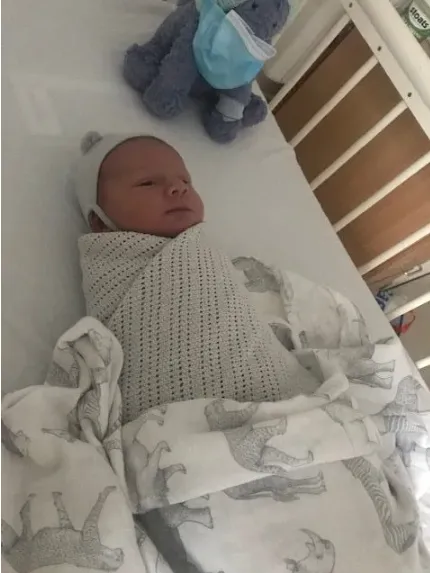
As weeks passed, confidence grew. Gabriel thrived under the care and love of his parents. Developmental milestones were met, and cardiology checks continue every six months.
At seven months, Gabriel is healthy, vibrant, and full of life. Mild pulmonary stenosis may require future surgery, but his parents are grateful for the life they almost feared they would lose.
Antenatal diagnosis provided critical preparation. Online communities, support networks, and NHS staff were instrumental in Gabriel’s survival.
Gabriel’s Legacy
Looking at Gabriel now, his parents marvel at how far he has come. The tiny fighter who endured so much before he even opened his eyes is thriving, a living testament to resilience, love, and medical expertise.
His story remains a beacon of hope for families facing congenital heart defects, showing the importance of early detection, timely intervention, and unwavering parental advocacy. Gabriel’s journey is extraordinary — not just for the medical challenges overcome, but for the courage, tenacity, and hope embodied in every heartbeat of his tiny chest.