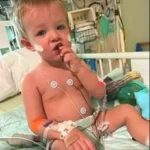
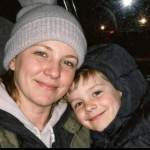
Jaxon’s Journey: How a Tiny Heart Warrior Conquered Multiple Defects to Thrive
Pregnancy had been smooth, uncomplicated, and filled with excitement. For Summer and her partner, the 20-week anatomy scan was meant to be a joyful milestone—a chance to learn their baby’s gender and confirm that everything was progressing normally.
But as the sonographer lingered over one area, the room grew quieter.
She paused, re-measured, adjusted the probe, and then gently explained that something didn’t look quite right with their baby’s heart.
That moment changed everything.
A Life-Altering Diagnosis
The scan revealed that their unborn son, Jaxon, had multiple congenital heart defects: a right aortic arch, a vascular ring, and a perimembranous ventricular septal defect (VSD). In addition, the sonographer noted that his cerebellum was measuring slightly behind, raising further concern.
Summer and her partner were immediately referred to a Fetal Medicine Consultant, who carefully explained how these conditions could affect Jaxon before and after birth. While none of the findings were immediately life-threatening, they would require close monitoring and specialist care.
To rule out possible chromosomal abnormalities, the couple was offered an amniocentesis. Being planners by nature, they chose to proceed. The results came back clear—no underlying genetic conditions.
The relief was immense, but the reality remained: Jaxon would be born with a complex heart condition.
A Pregnancy Defined by Vigilance
From that point on, Summer’s pregnancy became a cycle of regular scans, hospital visits, and careful observation. Each appointment brought a mixture of hope and anxiety. They learned medical terminology they had never expected to know, and they began preparing—emotionally and practically—for what lay ahead.
Early detection, doctors assured them, would make all the difference.
February 2022 arrived, and after a successful induction, Jaxon entered the world weighing 6 pounds. For a brief moment, fear faded into the background. He looked perfect.
Within hours, Jaxon underwent his first echocardiogram. The cardiology team assessed his heart carefully. While his defects were present, they were considered manageable at that stage. Surgery was not immediately required, but close follow-up would be essential.
A Seemingly Normal Beginning
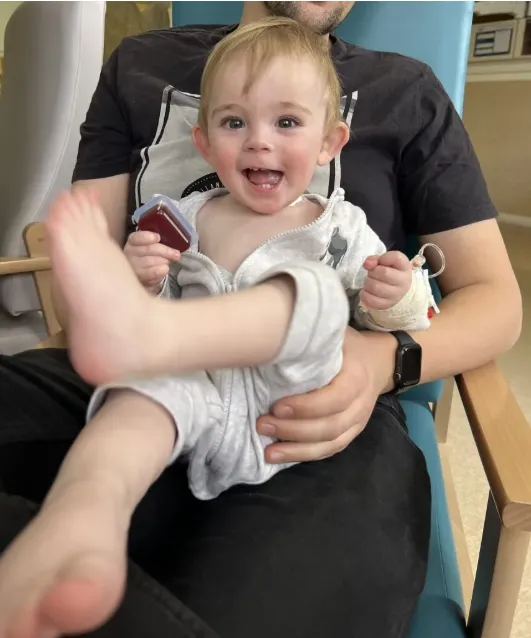
To anyone looking in, Jaxon appeared like any other baby. He was happy, smiley, and content. Though smaller than average and placed on medication for his VSD, he thrived in many ways.
Life settled into a cautious rhythm—feeding schedules, growth checks, and developmental milestones all closely tracked.
As Jaxon began weaning onto solid foods, subtle warning signs emerged. He occasionally choked while eating, his breathing became slightly noisy, and Summer noticed a tracheal tug, where his chest worked harder with each breath.
These signs pointed toward the vascular ring compressing his trachea and esophagus.
Surgery, once a distant possibility, now felt inevitable.
Preparing for Surgery
The focus shifted to helping Jaxon gain weight and build strength. This proved challenging. He was an active baby, and with heart conditions affecting his energy and feeding, weight gain was slow.
In December 2022, a bronchoscopy confirmed what doctors suspected: the vascular ring was indeed pressing on his airway and esophagus. Surgery would be required—but only when Jaxon was strong enough.
By March 2023, just after his first birthday, that moment arrived.
There was more good news: Jaxon’s VSD had begun closing naturally, shrinking to the point where open-heart surgery was no longer necessary. Instead, surgeons could correct the vascular ring through a thoracotomy, a less invasive approach.
For Summer and her partner, this felt like a small miracle.
The Day Everything Changed—Again
Despite being familiar with hospital routines, saying goodbye before surgery was still heartbreaking. Watching Jaxon drift off under anesthesia, surrounded by wires and monitors, tested every ounce of their strength.
The hours that followed were filled with nervous pacing and forced distractions. Wandering the streets of London, they tried to keep their minds busy while waiting for news.
Then the call came.
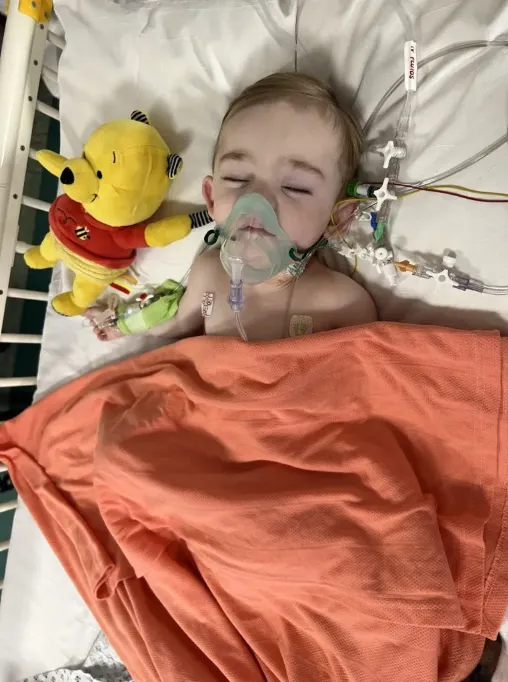
The surgery was complete. Jaxon was stable in PICU.
Seeing him afterward—surrounded by tubes and machines—was overwhelming. But the nurses reassured them, explaining every line and every monitor.
By the next morning, Jaxon was sitting up in bed, blowing kisses to the staff—his cheeky personality already shining through.
Three days later, he went home.
Thriving Beyond Expectations
Jaxon’s recovery stunned everyone.
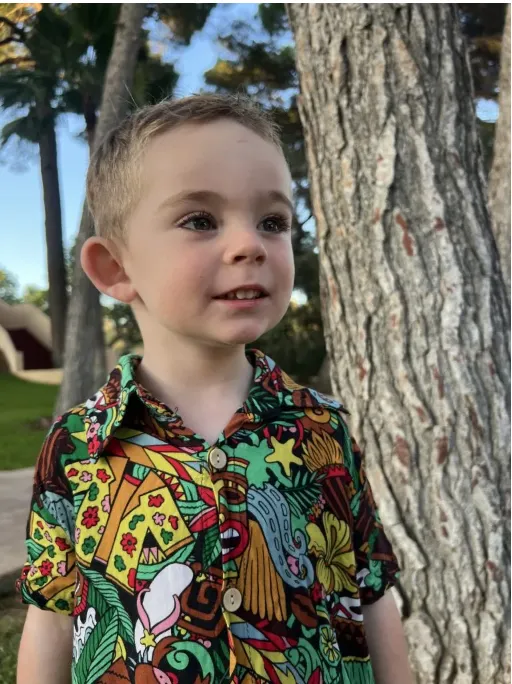
Within a month, he was walking independently. By his second birthday, he was chatty, curious, and bursting with personality. His heart murmur disappeared. His VSD was nearly closed. Clinically, his heart sounded normal.
Once labeled as “failure to thrive,” Jaxon’s weight climbed to the 9th percentile—a major victory for his family.
He no longer requires frequent cardiac follow-ups. His next appointment is scheduled three years later.
The contrast between his fragile beginnings and his current health is remarkable.
A Story of Hope and Early Detection
Jaxon’s journey highlights the profound importance of early detection. Without that 20-week scan, his outcome could have been vastly different.
His story is a tribute to the skill of sonographers, the expertise of pediatric cardiology teams, and the power of parental advocacy.
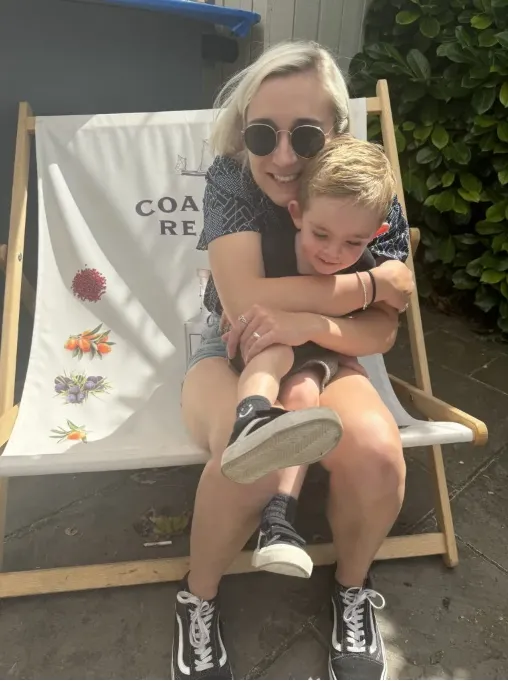
For families newly facing a congenital heart diagnosis, Jaxon stands as a beacon of hope. His life proves that children with multiple heart defects can not only survive—but truly thrive.
Every step, every laugh, every milestone is a quiet victory over fear and uncertainty.
Jaxon’s journey reminds us that congenital heart conditions do not define a child’s limits. With preparation, expert care, and unwavering love, even the smallest hearts can grow strong.
Jaxon is a true heart warrior—and his story continues to inspire families walking similar paths.