From ICU Terror to Playground Smiles: How One Family Survived a Child’s Rare Liver Condition
- KimAnh
- December 22, 2025
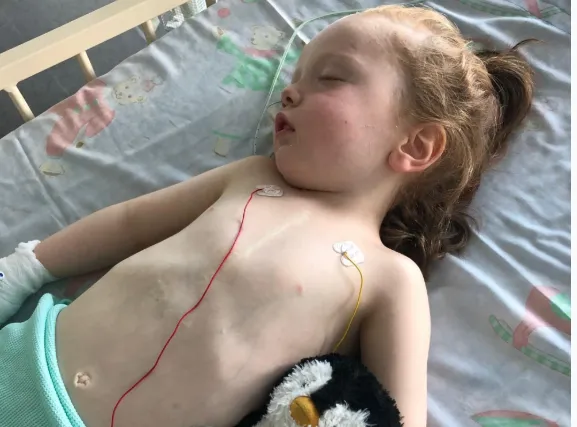
June 2021 began like so many months before it — with hospital visits that had become almost routine for Helen and her family.
Her three-year-old son, Woody, had spent much of his young life in and out of emergency rooms. Croup. Mild fevers. Breathing difficulties. Swollen airways. The pattern was familiar enough that each visit carried a cautious reassurance: doctors would monitor him, treat him, and send him home within a day or two.
It was frightening — but it was manageable.
“We never imagined it was anything more serious,” Helen says.
That sense of familiarity, however, would soon disappear.
The Day Everything Changed
One quiet afternoon, while Woody rested in the hospital, Helen stepped outside into a small courtyard. She sat down with her laptop to complete a job application — a role as a Community Fundraiser. With ten years of experience working in charities, it felt like a natural next step.
At the time, she had no idea that the hospital surrounding her would soon become the center of her family’s life — or that her personal journey would become deeply intertwined with her professional one.
Then, without warning, everything changed.
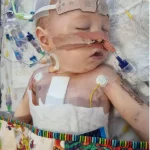
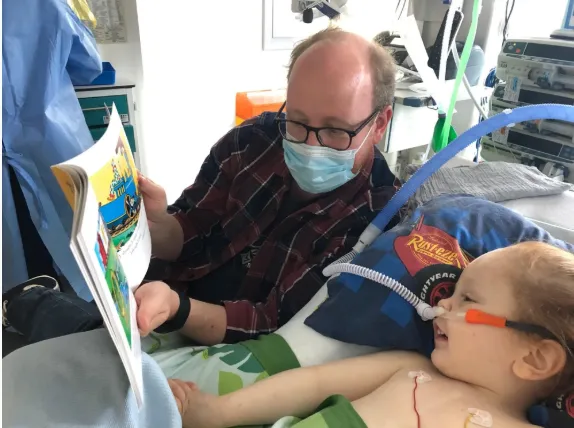
Woody suffered a sudden and serious complication. Doctors made the urgent decision to sedate and intubate him.
Helen waited for him to wake up.
He didn’t.
The calm explanations vanished. Reassurance turned into urgency. The familiar hospital corridors suddenly felt like unfamiliar territory — heavy with fear and uncertainty.
A Rare and Life-Altering Diagnosis
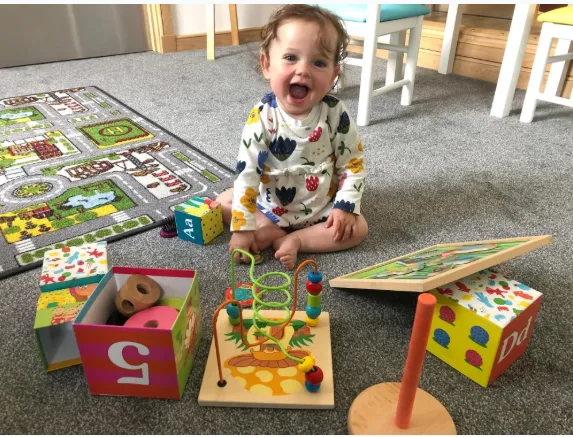
An MRI scan revealed the cause: congenital portosystemic shunt, a rare and serious liver condition.
In a healthy body, the liver filters toxins from the blood. But in Woody’s case, his blood was bypassing the liver entirely. Harmful substances were flowing straight into his system — including dangerously high levels of ammonia.
“One of the main toxins was ammonia,” Helen explains. “It had a massive impact on his brain.”
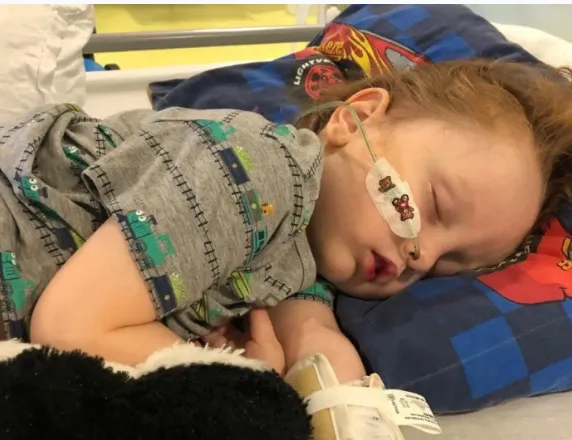
Woody’s condition deteriorated rapidly.
He was transferred to critical care, and for Helen and her husband, Stewart, life narrowed to the rhythm of ICU monitors, whispered conversations with doctors, and the constant ache of not knowing what would happen next.
At the same time, they were caring for their ten-month-old daughter, Bobbie.
Every decision became a balancing act — between hospital corridors and home, between fear for one child and responsibility to the other.
Life Inside the ICU
When Woody finally woke up, relief was quickly replaced by new challenges.
“He couldn’t be left alone,” Helen recalls. “He was distressed and frightened.”
Critical care is loud, bright, and overwhelming — especially for a small child. Machines beeped constantly. Nurses moved quickly. Alarms sounded without warning.
Helen and Stewart took turns staying by his side, trying to soothe him while also managing exhaustion, logistics, and the emotional toll of uncertainty.
It was during these darkest hours that help arrived — quietly, compassionately, and exactly when they needed it.
A Lifeline Just Steps Away
Staff in the critical care unit suggested that the family stay at Edinburgh House, part of Ronald McDonald House Charities UK, located just steps from the hospital.
“At first, we hesitated,” Helen admits. “We live locally. But the nurses insisted. And honestly, I’m so grateful they did.”
Being close mattered more than anything.
Edinburgh House offered more than a bed. It offered proximity, comfort, and a sense of normality during a time when life felt anything but normal.
It became a refuge — a place to rest, to breathe, to gather strength before returning to the ICU.
Small Moments That Meant Everything
As Woody slowly began to stabilize, Edinburgh House became an even more important part of his recovery.
“When he was well enough, he could come over and play in the playroom,” Helen says.
Watching her son eat spaghetti, laugh, and simply be a child again was overwhelming.
“That was the moment we knew our little boy was coming back.”
Those ordinary moments — playing, eating, smiling — were extraordinary in the context of everything they had endured.
They formed a bridge between the intensity of hospital life and the hope of returning home.
Helen also noticed the wider impact of the House.
“I remember seeing families cooking together in the kitchen,” she recalls. “It really is a stepping stone toward getting home.”
Turning Gratitude Into Purpose
By September 2021, just months after Woody’s critical illness, Helen joined Ronald McDonald House Charities UK as a Community Fundraiser.
The place that had supported her family in their darkest hours became her workplace — and her mission.
“My job is to help people understand how they can support the House in ways that truly matter,” she explains.
Meanwhile, Woody continued to recover.
He turned four in February and began thriving at nursery — a milestone that once felt heartbreakingly uncertain.
A House That Changes Lives
Edinburgh House celebrated its first anniversary in March.
In just one year, more than 600 families had stayed across its 25 en-suite rooms, with an average stay of 10 days.
“The House was at half capacity during Covid-19,” Helen notes. “Now it’s full — which shows just how vital this support is.”
For families facing the unthinkable, having somewhere safe, warm, and close to the hospital can make the difference between coping and falling apart.
Marking Survival With Hope
June holds deep meaning for Helen’s family — marking one year since Woody was admitted to hospital.
To honor that journey, Edinburgh House is hosting one of its first major fundraising events: a skydive.
“We see it as a celebration,” Helen says. “A way to mark survival and give back.”
One of the most powerful aspects of her work is speaking with families who are currently in the midst of crisis.
“It reminds them they’re not alone,” she says. “Sometimes just knowing someone understands makes all the difference.”
From Fear to Future
Woody’s story is one of fear, resilience, and recovery.
But it’s also a story about community — about how compassion shows up in quiet ways: a room near the hospital, a shared kitchen, a listening ear at the right moment.
From the courtyard where Helen filled out a job application, to the ICU where her son fought for his life, to her work today supporting other families — life has come full circle.
The fear, the sleepless nights, the uncertainty — they all became part of a journey that reshaped her family.
Today, Woody runs, plays, and laughs.
Bobbie smiles, knowing her brother is safe.
And Helen works every day to ensure that when other families face the impossible, they too can find support, hope, and a way forward.
Woody’s journey from ICU terror to playground smiles reminds us of something essential:
That in the most fragile moments of life, kindness can be powerful enough to change everything.