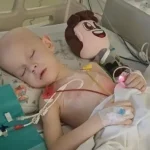
Walker Lydick The Baby Born with Down Syndrome Who Defied Every Medical Challenge
- KimAnh
- January 6, 2026
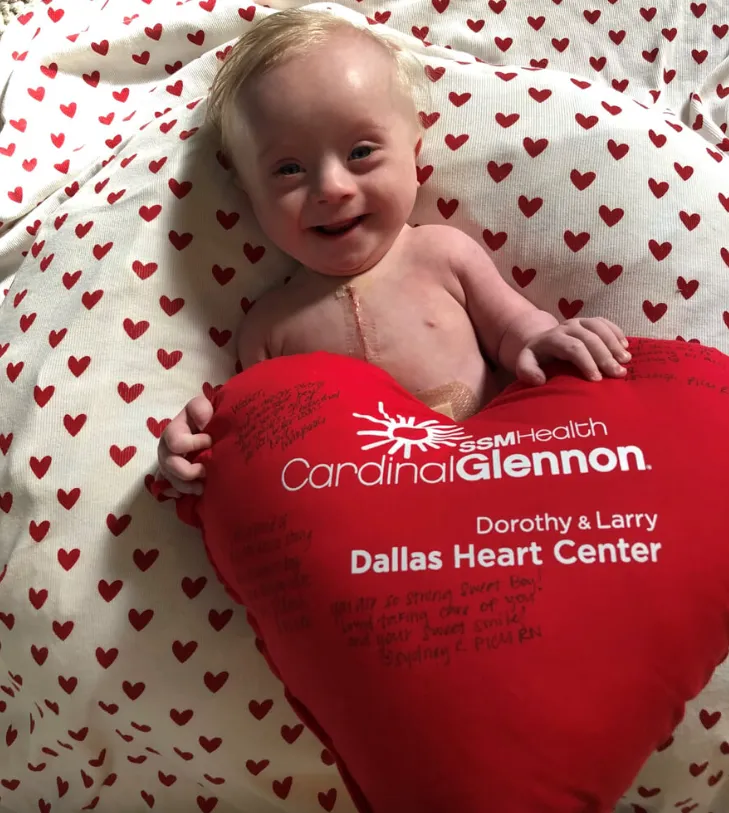
The Diagnosis That Changed Everything
Gretchen Lydick never expected a single phone call to reshape the way she understood motherhood, fear, and faith.
During her pregnancy, doctors confirmed that her unborn son, Walker, had Down syndrome. The words landed heavily, carrying questions no parent is ever truly prepared to face. Would her child suffer? Would he survive birth? Would their family be able to give him everything he needed?
Fear arrived first, loud and unrelenting. But beneath it, something quieter began to grow—a determination rooted not in denial, but in love.
Walker was her son. And she would fight for him.
When Pregnancy Became High Risk
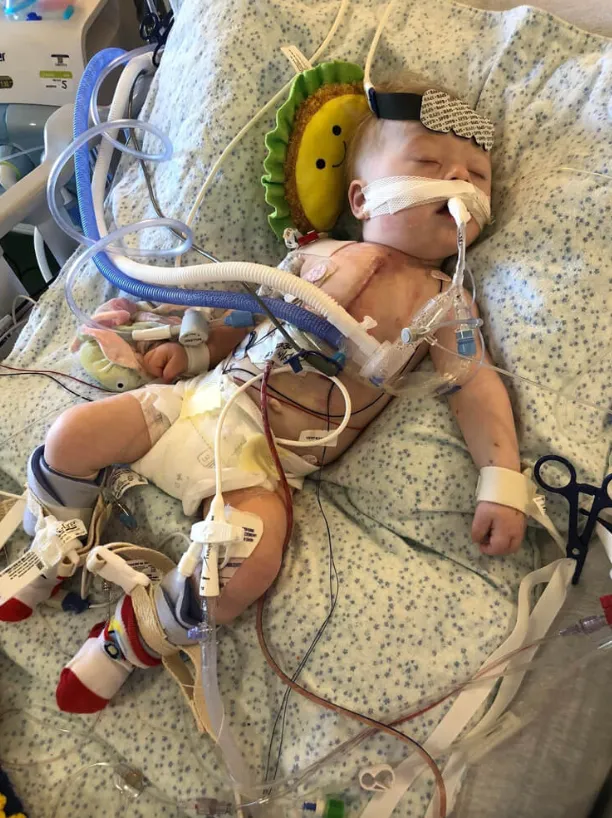
In her third trimester, Gretchen experienced unexplained bleeding that sent her back to the hospital. Further testing revealed another challenge layered onto an already overwhelming diagnosis: Walker had a congenital heart defect, specifically a ventricular septal defect.
The news meant specialized care was no longer optional—it was urgent.
Gretchen traveled from southern Illinois to the SSM Health Cardinal Glennon Fetal Care Institute in St. Louis, where a team of specialists prepared her for what lay ahead. For Gretchen and her husband Caleb, a long-haul truck driver often on the road, the distance was emotional as much as physical.
This time, genetic testing was no longer avoidable.
Doctors explained that babies with Down syndrome face a significantly higher risk of heart complications, and early intervention could mean the difference between life and death.
Faith in the Middle of Fear
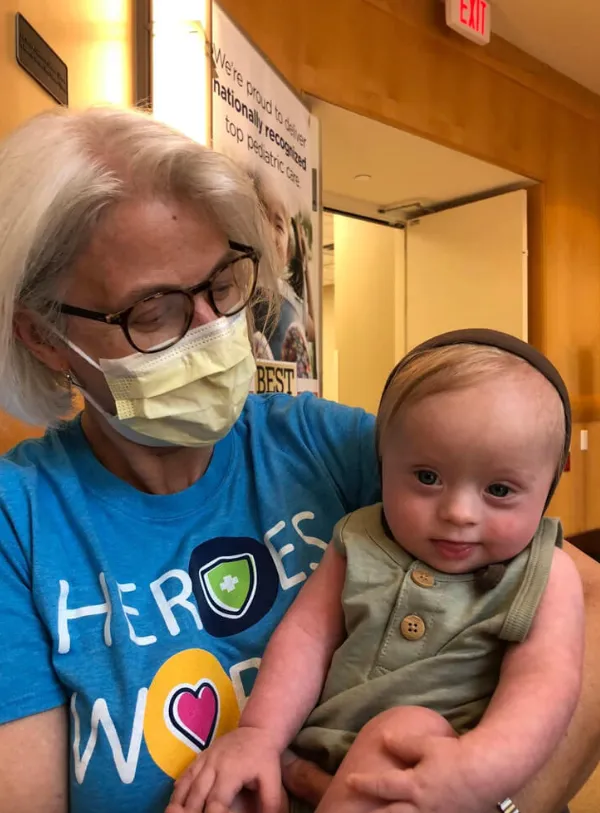
When the doctors called with detailed results, Caleb wasn’t home. Instead of rushing through the explanation, the physician stayed on the line for nearly three hours, waiting until Caleb could join the conversation.
Together, they listened. They asked questions. They prayed.
Gretchen remembers Scripture becoming her anchor—particularly Jeremiah 29:11: “For I know the plans I have for you… plans to give you hope and a future.”
Those words reframed everything. Walker’s life was not a mistake. His journey had purpose.
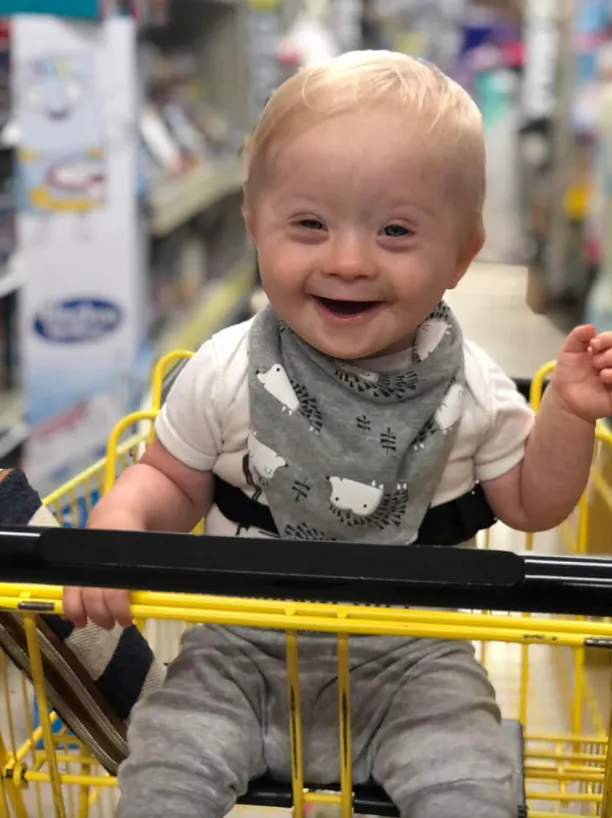
A Birth Surrounded by Hope and Preparation
As her due date approached, the Lydicks prepared for the reality of a long hospital stay. Care was arranged for their older sons. Bags were packed for the NICU.
When the day finally arrived, Gretchen delivered Walker at SSM Health St. Mary’s, surrounded by a team of sixteen medical professionals ready to intervene at a moment’s notice.
Yet, something extraordinary happened.
Walker was stable.
His heart rate held steady. He didn’t need immediate NICU support. Gretchen held him skin-to-skin for the first time, feeding him successfully. For two precious nights, they lived a moment of calm they hadn’t dared to expect.
Early Complications and Unexpected Strength
Relief was brief.
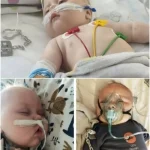
At just four days old, Walker had only urinated three times. Doctors raised concerns about kidney function, and he was transferred to the NICU once again.
Suddenly, Gretchen found herself learning medical procedures she never imagined performing—catheterization included.
“I never thought I could do this,” she later said. “But I had to. And I did.”
At two months old, Walker underwent a vesicostomy to assist with urinary drainage, along with lip and tongue tie releases to improve feeding. The procedures were intense, but thanks to the expertise at Cardinal Glennon, his recovery was swift.
That was the moment Gretchen realized something had changed.
Walker wasn’t fragile.
He was a fighter.
A Family United by Love and Support
Despite the challenges, Walker’s presence transformed their family in ways no diagnosis could diminish.
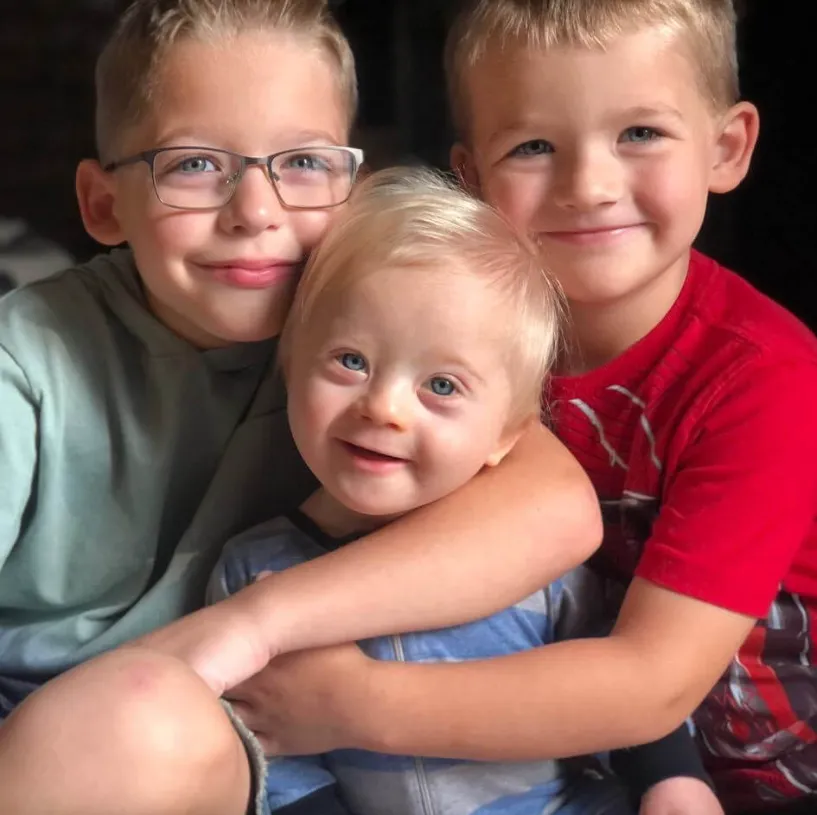
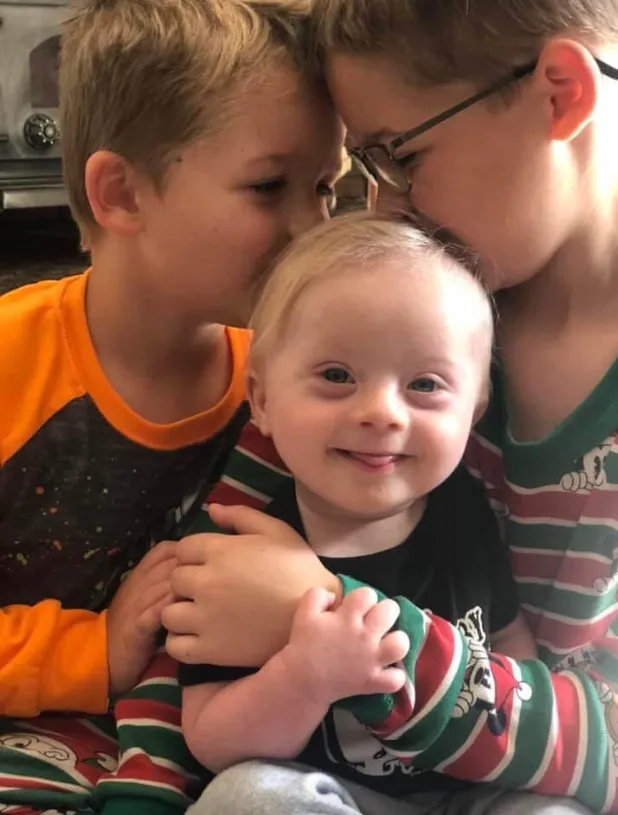
Online support groups for parents of children with Down syndrome became lifelines, offering guidance, reassurance, and solidarity. Gretchen’s older sons embraced Walker fully, seeing him not as different—but as special.
To help them understand, Gretchen introduced the idea of “47 Strings,” explaining that Walker had one extra chromosome, which meant he would be extra loved, extra joyful, and extra strong.
The Scariest Moment of All
As Walker grew, doctors scheduled open-heart surgery for April 18.
But just days before the procedure, everything changed.
Walker developed heart failure.
An ambulance rushed him back to Cardinal Glennon. Emergency surgery was performed on April 15—three days earlier than planned.
For Gretchen, it was the most terrifying moment of her life.
Walker spent five days in the ICU. Every hour felt endless. Every update was clung to like oxygen.
Then came the words they had prayed for.
He was stable.
He was healing.
He could go home.
Thriving Through Comprehensive Care
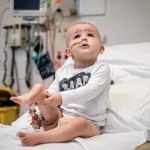
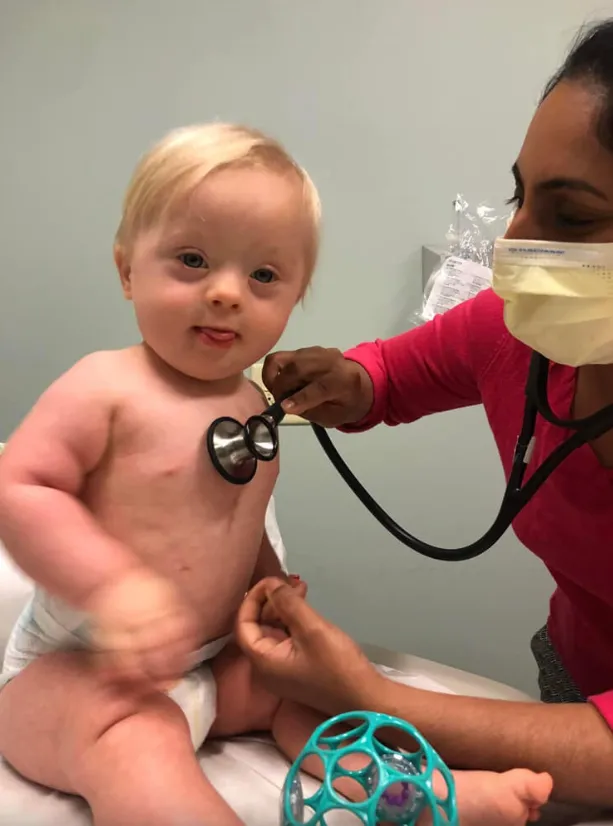
Today, Walker continues to receive coordinated, multidisciplinary care—cardiology, urology, neurology, ophthalmology, and early intervention services all working together.
This comprehensive approach has been critical in supporting both his Down syndrome diagnosis and his medical history.
Each milestone matters. Each feeding, each ounce gained, each developmental step is celebrated as a victory.
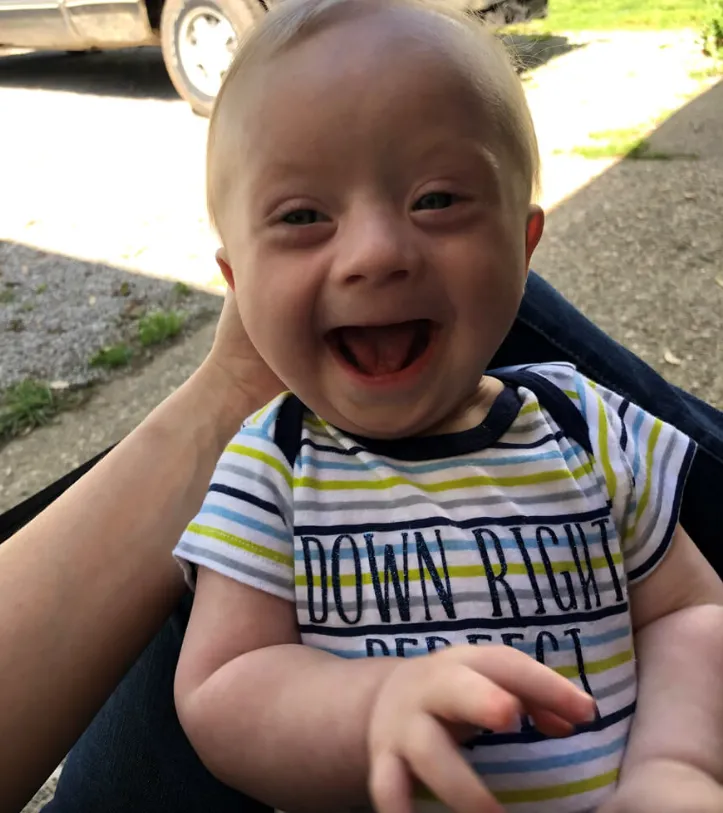
Walker is not just surviving.
He is thriving.
Turning Fear Into Advocacy
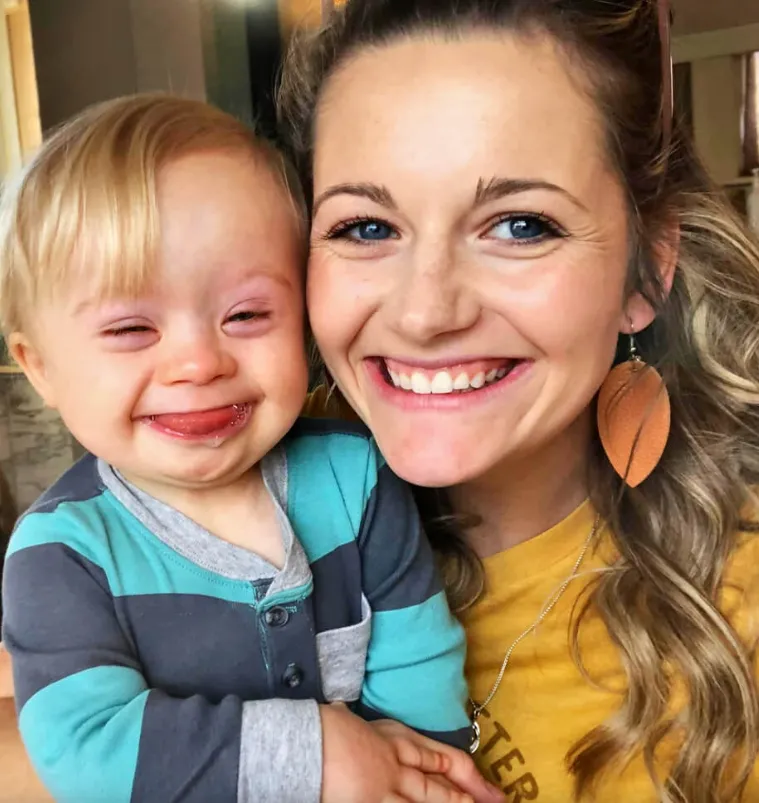
Gretchen and Caleb now share Walker’s story to raise awareness, offer hope, and guide other parents facing prenatal diagnoses and early medical interventions.
They emphasize the importance of preparation, early screening, and surrounding yourself with support—both medical and emotional.
Down syndrome does not define a child’s potential.
Walker’s life is proof of that.
A Story That Redefines Possibility
Walker Lydick’s journey is a testament to resilience, faith, and the power of compassionate medical care.
He has faced heart defects, kidney challenges, multiple surgeries, and overwhelming odds—and emerged stronger.
His life reminds us that children with Down syndrome can live full, joyful, meaningful lives when given access to the right support and unwavering love.
Walker is more than a diagnosis.
He is a son.
A brother.
A fighter.
A source of hope.
And as he grows, his story will continue to inspire families, medical teams, and communities—proving that even the most daunting beginnings can lead to extraordinary futures.