The Simple Joy of Togetherness: Why Every Child Deserves to Be Present in Life

There is a quiet kind of happiness that settles in my chest when all my children are together in one room. It is not loud or dramatic. It cannot be bought, scheduled, or manufactured. It exists in small, fleeting moments—the echo of laughter, the brush of tiny hands against one another, the shared looks and whispered secrets only siblings understand.
This is my happy place.
Not vacations.
Not theme parks.
Not perfectly planned experiences.
Just presence.
When my children are together—playing, arguing, learning, observing—I see the invisible threads that bind a family being woven in real time. These threads are not formed by grand gestures, but by shared space, shared attention, and shared life.
Presence Over Perfection
Our home is rarely quiet. Crayons spill across the floor. Toys are scattered. Blocks tumble. Laughter rises and falls, mixed with sighs, negotiations, and occasional tears. To some, this might look like chaos.
To me, it is life.
These sounds are not disruptions. They are evidence that childhood is unfolding as it should. Within this noise, my children learn how to coexist—how to share, how to disagree, how to comfort one another, and how to repair after conflict.
Happiness, I’ve learned, does not live in perfection.
It lives in presence.
Being present means witnessing the small victories, the failed attempts, and the courage it takes to try again. It means sitting beside a child when words fail them. It means being there—not to fix everything, but to acknowledge that their experiences matter.
Why Togetherness Matters
I do not believe a child should be left alone in a crib or bed for long stretches unless absolutely necessary. Yes, rest is essential. Sleep restores the body and mind. But beyond those necessary moments, I believe deeply in togetherness.
Presence communicates safety.
It communicates belonging.
It tells a child: You are not alone in this world.
Children do not need constant entertainment, but they do need connection. Even the youngest child senses absence. Their eyes search. Their hands reach. Their bodies express a quiet longing for shared experience.
Isolation removes something subtle but vital—the feeling of being witnessed.
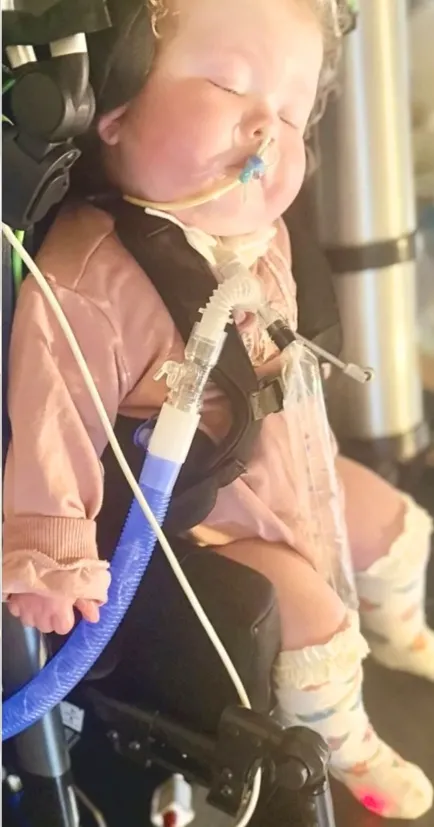
Children Learn Through Shared Life
Being present does not mean hovering or controlling. It means offering space to explore while remaining emotionally available. It means allowing children to participate in life, not placing them on the sidelines of it.
In our home, children are included in daily rhythms—cooking, organizing, conversations, reading aloud. They are not passive observers of adulthood; they are active participants in family life.
Through this inclusion, they learn naturally:
-
Empathy through conflict
-
Patience through waiting
-
Cooperation through shared goals
-
Responsibility through observation
These lessons cannot be replicated by screens, toys, or even structured activities alone. They are learned through living together.
The Cost of Isolation
I often think about children who spend long hours alone—behind closed doors, in cribs, or in rooms designed to keep them occupied but disconnected. My heart aches not because they lack physical care, but because they lack presence.
Children do not just need food and shelter.
They need emotional nourishment.
When children are isolated, they miss the subtle exchanges that shape emotional intelligence—the glances, the shared laughter, the gentle corrections, the moments of being seen and understood.
Even short absences of presence, when repeated, can leave quiet gaps in development that no object can fill.
Small Moments, Lasting Impact
Some of the most meaningful experiences in our home are the simplest ones:
Making breakfast together.
Folding laundry side by side.
Reading a book on the couch.
These moments may appear ordinary, but they are foundational. A spilled glass of juice becomes a lesson in patience. A disagreement becomes a lesson in empathy. A shared laugh becomes a memory etched into childhood.
Life is happening all around our children. They should never be spectators to it.
What Children Teach Us in Return
Being present with children is not a one-way gift.
They teach us to slow down.
They remind us to notice.
They pull us back into the present moment when our minds wander ahead.
As a parent, I have learned patience, humility, and resilience through these shared moments. Children demand authenticity. They respond to attention more than instruction.
Even their disagreements offer opportunities—not for punishment, but for guidance. Conflict becomes a classroom for emotional growth when a parent is present to witness and support it.
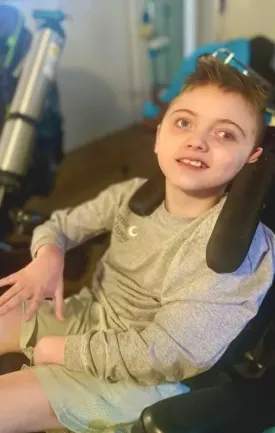
Presence Is the Greatest Gift
Presence does not require elaborate plans.
It does not require perfection.
It requires intention.
When children are included, heard, and engaged, they grow more confident, more empathetic, and more resilient. Their personalities emerge fully when they feel safe to exist as they are.
There is a quiet magic in togetherness—one room, one home, one shared space. It is the foundation upon which trust and connection are built.
I have learned to treasure the noise, the mess, and even the tension. These are signs that life is being lived fully.
Why It Matters
Childhood is fleeting.
Presence is irreplaceable.
The moments we share—ordinary and unremarkable as they may seem—are the ones that shape hearts, build bonds, and define a sense of belonging that lasts a lifetime.
When my children are together in one room, learning, laughing, and living, I am reminded of a simple truth:
The greatest gift we can give our children is not things, but ourselves—fully present, fully engaged, fully here.
And in that presence, true joy is found.