Sophie’s Miracle: A Journey Through Cancer, Transplant, and Unwavering Hope
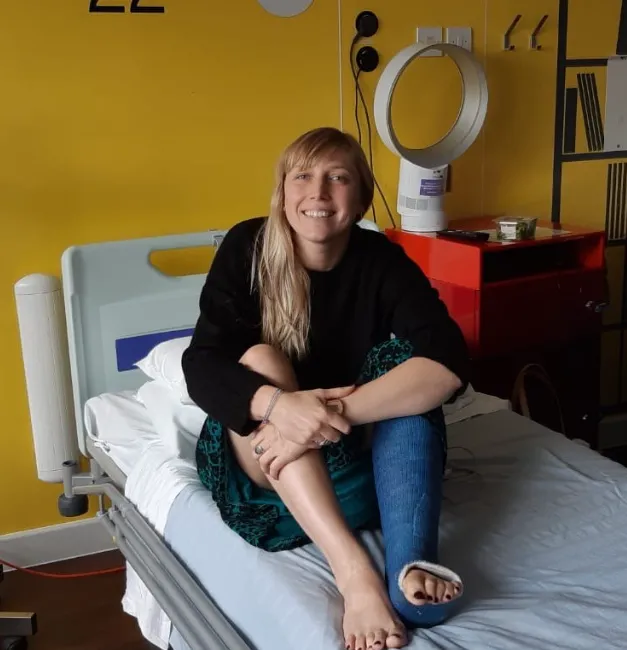
A Journey of Strength: My Battle Against Osteosarcoma
Cancer never announced itself in my life with dramatic warning signs. It arrived quietly—disguised as a sports injury, something I believed would heal with time. I had no idea that one moment on a netball court would eventually lead me to a chemotherapy chair and the fight of my life.
When It All Began: A Simple Injury
In May 2016, I injured my ankle while playing netball. At the time, it felt like nothing more than bad luck—one of those injuries athletes accept as part of the game. A few days later, I had an X-ray. Shortly after, I received a call asking me to return to A&E.
Doctors had noticed something unusual. Further investigations revealed what they described as a benign lesion near my ankle. While concerning, the word “benign” brought relief. I recovered fully, returned to sport, and placed the diagnosis firmly at the back of my mind.
Life went on.
Pain That Wouldn’t Stay Silent
Two years later, in May 2018, the pain returned—this time different. It wasn’t just discomfort. My leg throbbed with heat, especially at night and in the early mornings. Something felt wrong.
Back at the orthopaedics department, I underwent more scans and tests. The diagnosis came back as benign chondroma. Once again, doctors reassured me it wasn’t cancer.
But reassurance didn’t erase the pain.
Learning to Live With Pain
Despite the diagnosis, the pain persisted. I spent eight weeks immobilized, unable to live my life normally. Surgery was offered, but I declined, convinced I could manage. I returned to sport, determined not to let pain control me.
I even spent six months skiing in the Alps, pushing my body far beyond what it probably should have endured. Looking back, I now realize how hard I was trying to hold onto the life I knew.
When Pain Became Impossible to Ignore
By May 2019, the pain was no longer manageable. It affected my mobility, my sleep, and my ability to do the things I loved. I returned to orthopaedics once again, hoping for answers.
Instead, I received a phone call from a sarcoma center asking me to come in for a biopsy.
That was the moment everything changed.
The Call That Changed My Life
On August 6, 2019, I received the call that shattered my world. I was diagnosed with osteosarcoma in my left distal fibula.
I was 30 years old. I had cancer.
From that moment on, life moved fast. Fear, shock, and disbelief collided all at once. Nothing prepares you for hearing those words—especially when you’ve been told for years that everything was “benign.”
Treatment Begins: Survival Mode
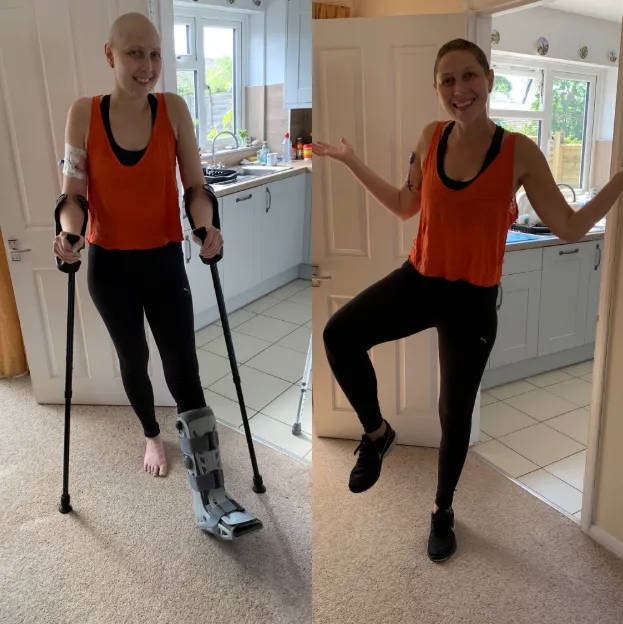
To protect my bone, I was placed in a permanent cast and moved in with my dad, who became my rock. He cared for me like royalty, never letting me face a single day alone.
Treatment began immediately and lasted 14 months. I underwent MAP chemotherapy, limb salvage surgery, and targeted immunotherapy with Mifamurtide—all aimed at saving my life and my leg.
The Reality of Chemotherapy
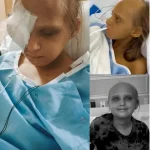
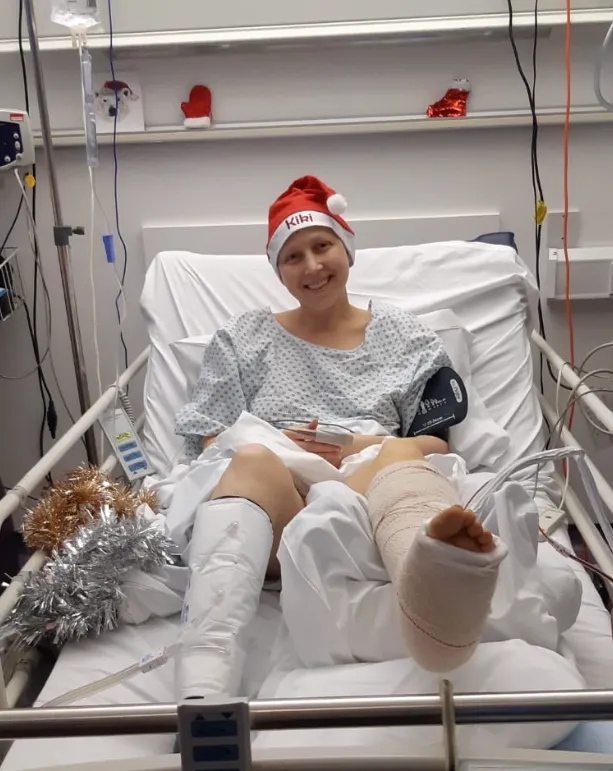
Chemotherapy was brutal. I hated it—every part of it. It stripped me of independence, drained my energy, and left me hospitalized repeatedly due to complications.
Four of my closest friends shaved their heads in solidarity, a gesture that reminded me I wasn’t alone. Even so, chemotherapy tested me physically and emotionally in ways I never imagined.
There were days I didn’t think I could continue. But quitting wasn’t an option.
Cancer During a Pandemic
Just as I was nearing the end of treatment, COVID-19 changed everything. With four out of six chemotherapy cycles completed, the risk of continuing became too dangerous.
My chemotherapy was stopped two cycles early.
It sounds strange, but that moment broke me. Chemotherapy was awful—but it was also my lifeline. Stopping felt like losing my armor mid-battle.
Finding Strength Through Community
During this time, I found support through the Bone Cancer Research Trust. Their Virtual Cuppa—an online support group—became a safe space where I could speak honestly with others who truly understood.
For the first time, I didn’t have to explain my fear.
Completing Treatment and Moving Forward
Although chemotherapy ended early, I continued Mifamurtide as an outpatient. Lockdown became a time to recover physically and mentally.
On October 26, 2020, I completed treatment.
After nearly a year and a half, it was finally over.
Life After Cancer: Rebuilding Myself
Life didn’t magically return to normal. I relocated for a new full-time job and slowly rebuilt my independence. I met my boyfriend during treatment—someone who stood by me through my darkest moments and continues to support me today.
Physically, life has changed. Returning to netball isn’t possible anymore—but I’m alive. I’ve returned to skiing, embraced what my body can do, and learned to respect its limits.
A New Perspective on Life
Cancer changed me—but it also taught me gratitude. I appreciate small things. I live intentionally. I no longer take health, time, or relationships for granted.
Even the chemotherapy curls remind me how far I’ve come.
The Journey Continues
My cancer journey didn’t end when treatment stopped. It continues every day—in resilience, in adaptation, and in choosing to move forward.
I am stronger than I ever knew I could be.
And while I never expected this journey, I am proud of the person it has made me become.