“We Could Stay Together, and That Was Priceless”: How Teddy’s Fight Against a Rare Childhood Cancer Redefined Family, Survival, and the Power of Being Close
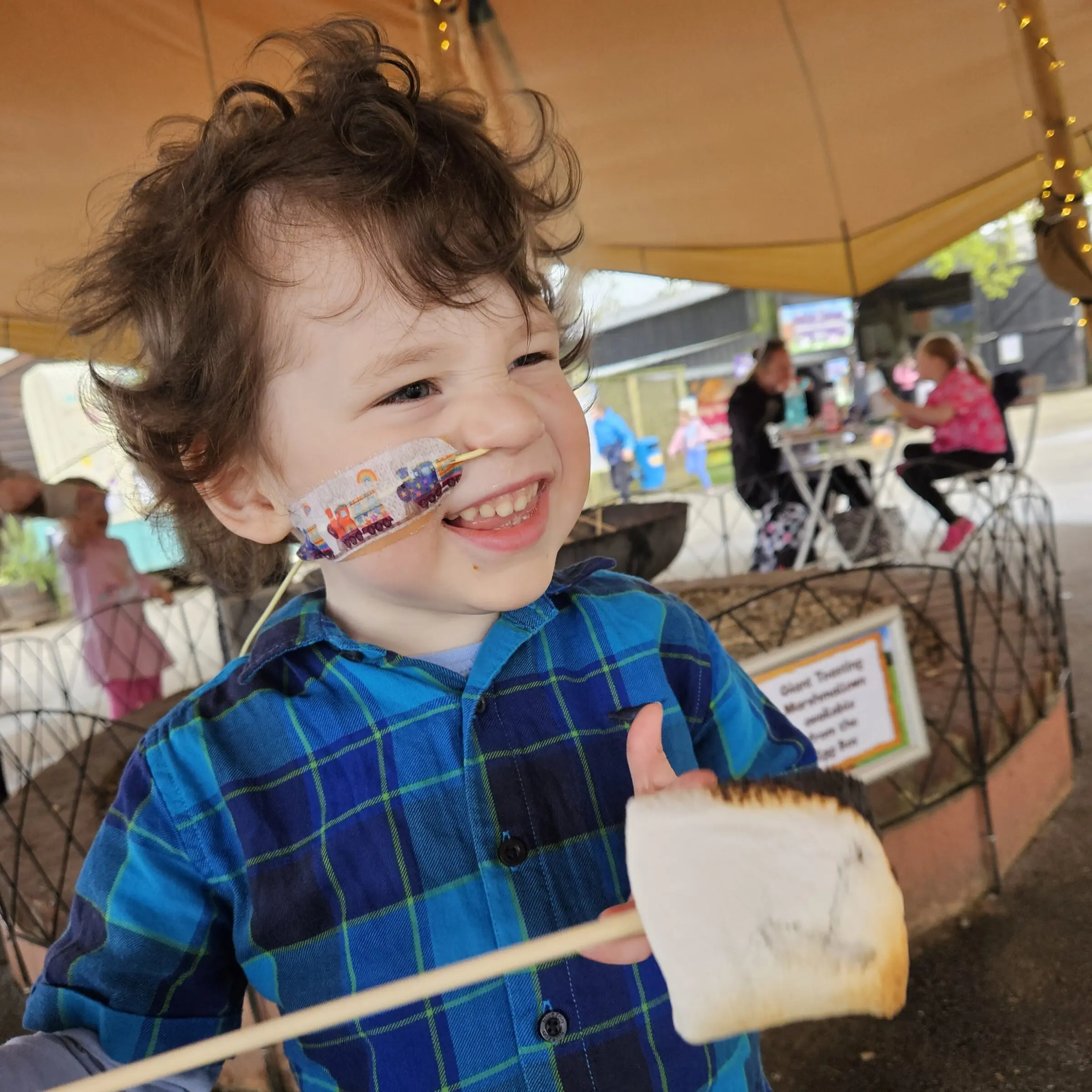
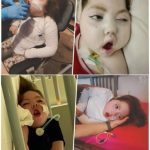
In the summer of 2022, three-year-old Teddy began to fall ill in ways that felt unsettling but hard to define. At first, it looked like a run of ordinary childhood illnesses—stomach bugs, viruses, infections that most children shake off quickly. But for Teddy, they never seemed to end.
His mother, Kat, noticed something wasn’t right. Teddy was constantly unwell, cycling through sickness after sickness while the rest of the family remained healthy. As weeks stretched into months, her unease deepened. Like many parents, she trusted her instincts, even when there was no clear explanation to justify them.
By the time Teddy turned three, the pattern was impossible to ignore. Chest infections, ear infections, tonsillitis—each one arrived before the last had fully resolved. Then came the stomach pain. What began as occasional discomfort quickly escalated into severe episodes that stopped Teddy mid-play, leaving him clutching his abdomen and his parents filled with dread.
A visit to A&E ended with antibiotics and reassurance, but the relief never came. When doctors finally ordered an ultrasound, Kat felt both fear and certainty. She knew answers were coming, even if she was afraid of what they might reveal.
The scan showed a 12-centimetre mass on Teddy’s kidney.
In that instant, life divided cleanly into before and after.
A Diagnosis No Parent Is Ready For
Further tests followed rapidly. Kat remembers standing in a hospital corridor, overwhelmed, already knowing that this was serious. At home, she had a newborn baby, Rupert. The thought of leaving Teddy alone in hospital while caring for his infant brother felt unbearable.
It was then that a nurse told her about Ronald McDonald House Charities UK, specifically Brighton House—a place designed so families could stay close to their children during hospital treatment. In that moment, something shifted. Kat would not have to choose between her children.
That first night at the House changed everything. A cot was provided for Rupert, and Kat slept knowing she was only one floor above Teddy. Without the House, she would have been miles away, awake with fear and unable to reach her son quickly.
Soon after, the diagnosis came: high-risk neuroblastoma, a rare childhood cancer that develops in nerve tissue. Doctors spoke with honesty that left no room for illusion. Teddy’s chance of survival was 40 percent.
An 18-Month Fight for Life
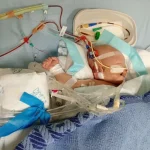
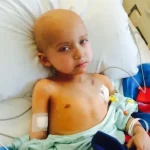
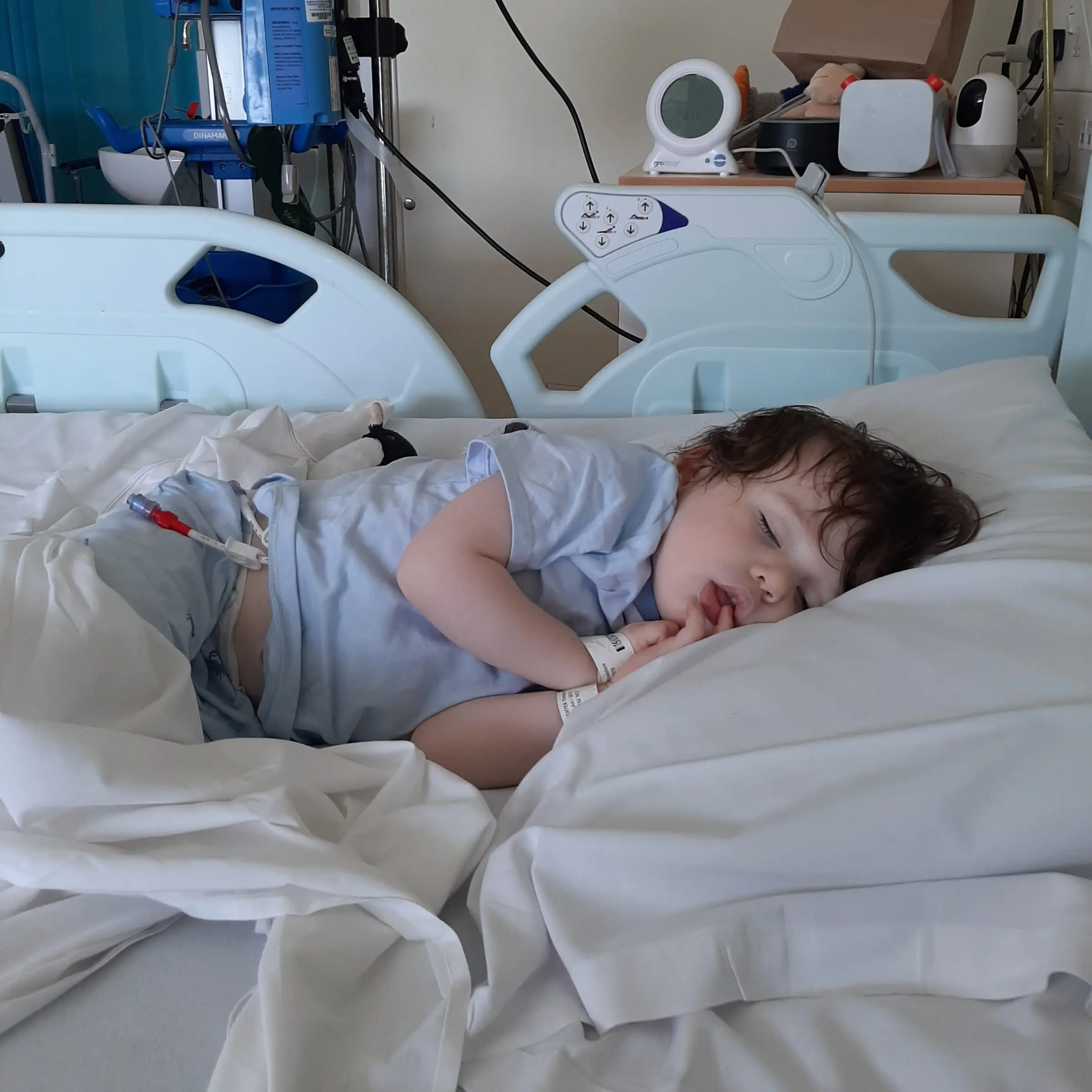
Teddy was transferred from Brighton to the Royal Marsden Hospital in London, where an intense 18-month treatment plan began. It included six rounds of chemotherapy, two stem cell transplants, 20 sessions of radiotherapy, and six months of immunotherapy.
It was an extraordinary burden for such a small body.
Life became measured in admissions, treatment cycles, scans, and waiting rooms. Through it all, Ronald McDonald House Charities UK remained the family’s anchor, allowing Kat, her husband Alastair, Teddy, and baby Rupert to stay together when separation would have broken them.
Christmas in Crisis
Christmas 2022—meant to be their first as a family of four—arrived under the harshest circumstances. One parent stayed with Teddy during his stem cell transplant, while the other cared for Rupert in a nearby flat.
On Christmas Eve, Teddy’s condition deteriorated. He developed a serious lung infection and was transferred by ambulance to St George’s Hospital. Rupert had a cold and was unable to visit the ward. At a time meant for togetherness, the family was painfully divided.
Eighteen months after diagnosis, Teddy was nearing the end of treatment. His final round of immunotherapy was scheduled just before Christmas 2023. Then illness struck again. Days before Christmas, he was admitted to their local hospital in Brighton.
Hope for a normal holiday faded—until Ronald McDonald House Brighton stepped in once more.
On Christmas Eve, the family was given a room. One parent could stay with Teddy while the other remained close with Rupert. On Christmas Day, they were together at Teddy’s bedside. There was a stocking waiting for him, a visit from Father Christmas, and nurses who went out of their way to make the day special.
Back at the House, a Christmas buffet, presents for both boys, and a rare moment to breathe offered a sense of peace. Rupert watched festive television while his parents gathered themselves.
Being together on Christmas Day meant everything. It wasn’t about decorations or traditions—it was about presence.
Life After Treatment
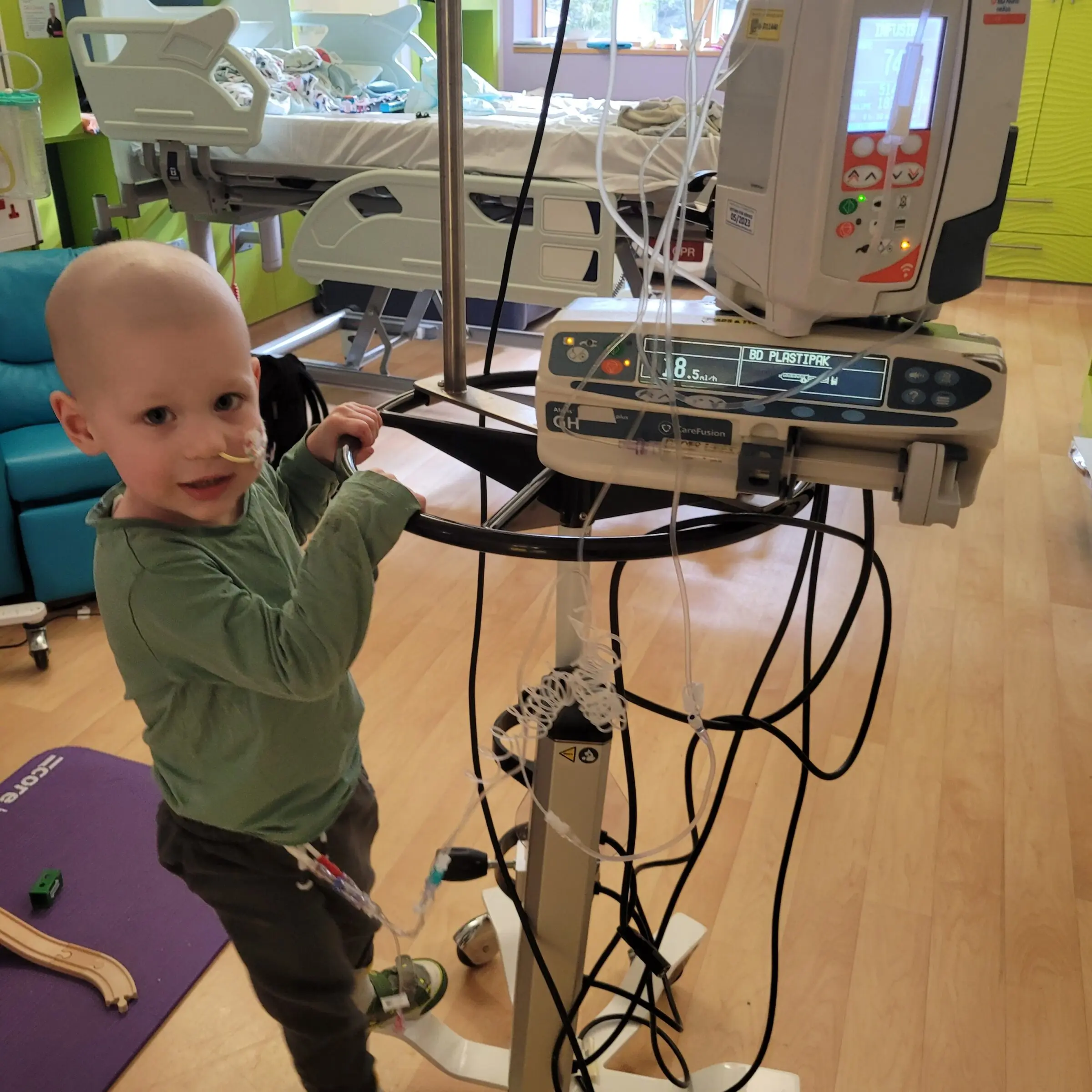
Teddy completed treatment in January 2024, but the hospital remains a familiar place. His immune system is fragile, and his central line means any fever requires immediate admission. Sometimes, the family returns every two or three weeks.
Earlier this year, Teddy travelled to the United States for a newly approved maintenance treatment not yet available in Europe. They stayed at Ronald McDonald House Central Pennsylvania, once again relying on the same model of care, proximity, and community that had sustained them in the UK.
Today, Teddy is nearly two years off treatment and currently shows no evidence of disease.
His survival, however, came at a cost. He now lives with kidney disease, permanent hearing loss, chronic nerve pain, and long-term gastrointestinal issues—lasting effects of the treatments that saved his life.
Still, Teddy faces the future with remarkable courage.
“That Was Priceless”
Life at home is now precious in ways the family never imagined before. They are learning what it means to simply be together without constant hospital schedules.
Many people, Kat reflects, do not realise what families endure when a child becomes seriously ill—or how essential support like Ronald McDonald House Charities UK truly is.
The Houses offered more than accommodation. They provided dignity. Stability. And the chance to remain a family when everything else felt uncertain.
“At Christmas, we could stay together,” Kat says. “And that was priceless.”
When their world fell apart, the House became their safe place.
And for that, they will always be grateful.