The Truth About Grief: Learning to Live With the Absence

“Time heals all wounds.”
It’s a phrase spoken with good intentions, often offered when people don’t know what else to say. It sounds comforting, almost hopeful. But for those who have lost a child, these words can feel painfully empty. Time does not heal this kind of loss. It does not repair the hole left behind, nor does it return the life that was taken far too soon.
What time does instead is teach you how to live with absence.
Time Does Not Heal the Loss of a Child
Losing a child changes the structure of your life. The world does not stop, yet everything feels misaligned. The sun still rises, people still laugh, and routines continue—but you experience it all from a distance. There is a before and an after, and nothing ever truly bridges the gap between them.
Time does not soften the pain. It does not erase the longing. It simply forces you to adapt. You learn how to breathe with a part of you missing. You learn how to wake up each day carrying a weight that never gets lighter, only more familiar.
Healing implies closure. Grief like this has none.
Grief Becomes Part of Who You Are
Grief does not fade away like a scar that eventually blends into the skin. It embeds itself deeper. It weaves into your memories, your reactions, and even your identity. You don’t move on from grief; you move forward with it.
Every experience becomes layered. Joy exists, but grief stands beside it. Laughter happens, but sorrow lingers in the background. Even happiness can feel bittersweet, as if something essential is missing from the moment.
This is not weakness. This is the cost of love.
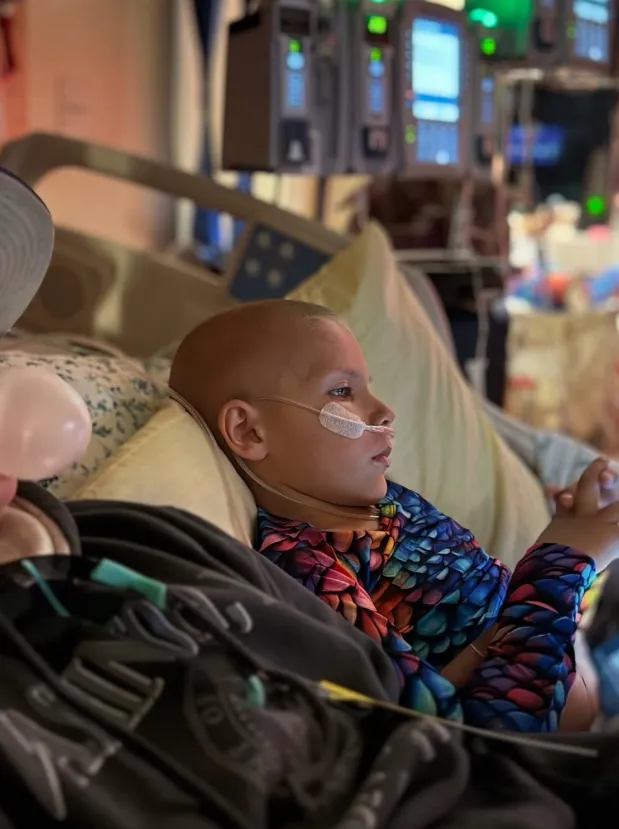
Living With Absence, Not Without Love
When a child dies, love does not disappear with them. It remains, strong and unrelenting, with nowhere to go. That love becomes grief. It becomes memory. It becomes a constant presence that walks with you through every stage of life.
You don’t forget their voice. You don’t stop imagining who they might have become. You don’t stop seeing them in places they should have been. The absence becomes its own kind of presence—quiet, heavy, and permanent.
Yet love continues. And because love continues, so does grief.
Grief Is Not Linear
One of the hardest truths about grief is that it does not move in a straight line. Some days feel manageable. Others feel unbearable, even years later. A sound, a date, or a simple smell can pull you back into the depth of loss without warning.
There is no timeline. There is no finish line. Anyone who tells you otherwise has not lived this reality.
Grief does not shrink over time. You grow around it.
Learning to Carry the Weight
Survival after loss is not about strength in the traditional sense. It is about endurance. It is about continuing even when you are exhausted in ways sleep cannot fix. It is about showing up to life while carrying pain that never fully rests.
You learn how to exist with the ache. You learn how to function with the emptiness. You learn how to hold both love and loss in the same breath.
This is not healing.
This is adaptation.
The Quiet Transformation Grief Brings
Though grief takes so much, it also changes how you see the world. You become more aware of how fragile life is. You notice small moments more deeply. You love harder, because you know how easily love can be taken away.
There is a raw honesty that grief brings. It strips away what doesn’t matter and leaves only what is real. It reshapes your priorities, your values, and your understanding of pain and compassion.
This transformation is not a gift—it is a consequence. But it is real.
You Do Not Move On — You Move Forward
There is a difference between moving on and moving forward. Moving on suggests leaving something behind. Moving forward means carrying it with you.
You carry their name.
You carry their memory.
You carry the love that never found an ending.
And you keep walking, even when every step feels heavy.
Remembering Is Part of Living
Grief is not about forgetting. It is about remembering in a world that keeps going. It is about honoring a life that mattered deeply, even if it was painfully brief.
You don’t heal from losing a child.
You learn how to live with the loss.
You learn how to love in new ways.
You learn how to survive with a fire in your ribs that never fully goes out.
And in that survival, in that remembering, their presence continues—quiet, powerful, and eternal.