Harry Potter Villain Turns into a Lucky Lunar New Year Icon in China
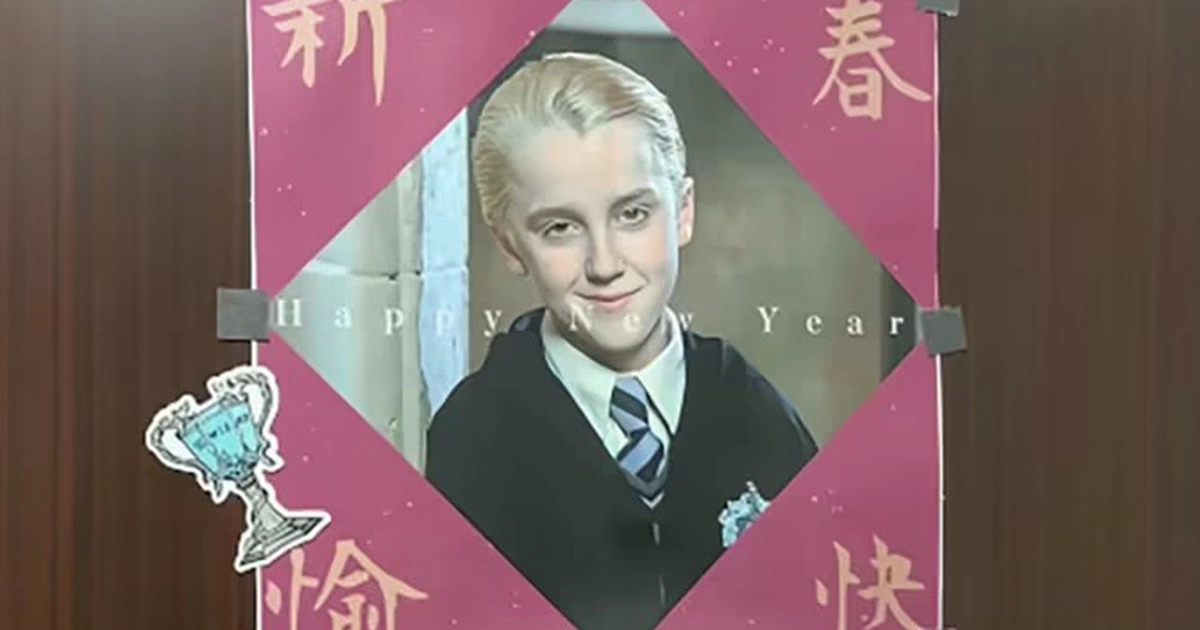
Draco Malfoy — Harry Potter’s blond-haired rival — has unexpectedly become a symbol of good fortune during China’s Lunar New Year celebrations, thanks to a clever wordplay linked to the Year of the Horse.
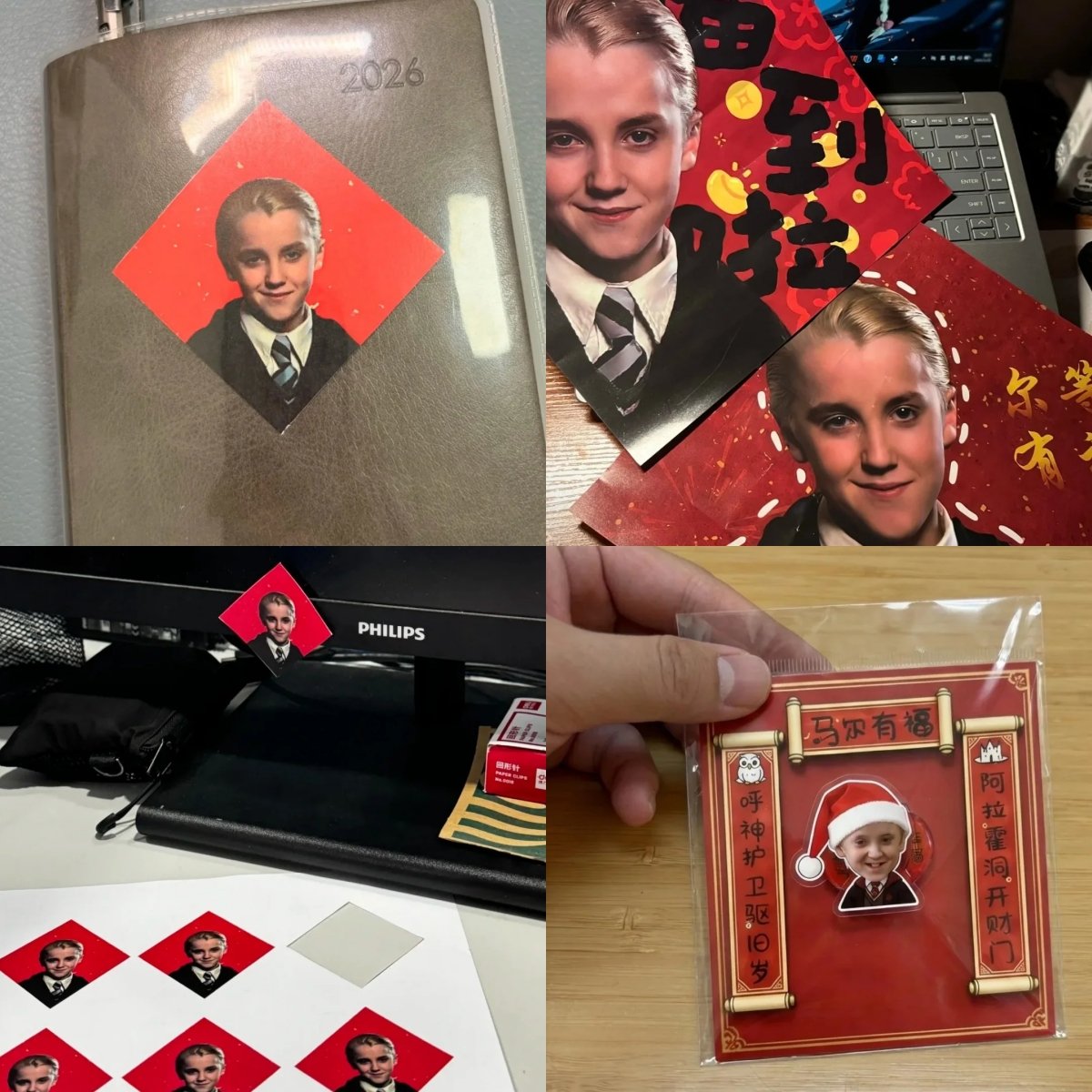
Ahead of the Year of the Horse, Chinese netizens have transformed the Slytherin villain into a playful mascot for wealth and luck. In Mandarin, “Malfoy” is transliterated as “Mǎ ěr fú” (马尔福) — where “mǎ” means “horse” (马) and “fú” means “good fortune” (福) — making the name a perfect fit for the zodiac year. As a result, images of Draco Malfoy have flooded festive decorations, appearing on stickers, banners, red couplets, refrigerators, and doors, sometimes displayed upside down to echo the traditional “fortune has arrived” custom.
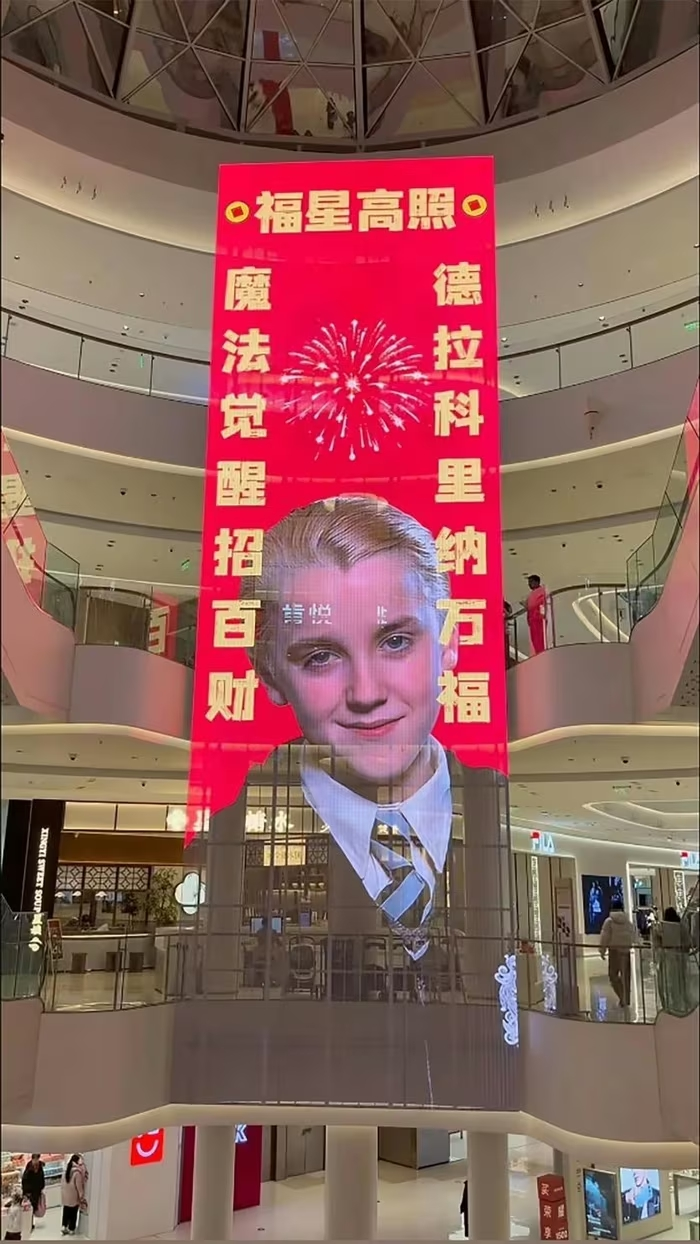
On platforms such as Douyin and Xiaohongshu, videos portraying Malfoy as a humorous “God of Wealth” have gone viral, fueling a booming market on Taobao for inexpensive stickers, magnets, and posters. The BBC reported on the phenomenon on February 4, calling it an “unexpected Lunar New Year miracle.”
Tom Felton, who portrayed Draco Malfoy throughout the Harry Potter film series from 2001 to 2011, reacted with surprise on Instagram after seeing a giant Malfoy banner displayed at a shopping mall in Shangqiu, Henan province, joking about the character’s cultural “time travel” and writing: “Draco Malfoy has suddenly become a symbol of Chinese New Year.”
Both CNN and The Independent noted that the trend reflects the enormous Harry Potter fanbase in China, despite strict limits on foreign films. Warner Bros. Discovery is reportedly planning a Harry Potter behind-the-scenes tour in Shanghai in 2027.
According to CCTV, nearly 10 million copies of J.K. Rowling’s books were sold in China before 2007. A remastered release of Harry Potter and the Sorcerer’s Stone in 2020 grossed $27.6 million within days. Xinhua has described the franchise as a rare foreign cultural phenomenon to break through regulatory barriers.
The trend highlights how Gen Z in China creatively blends Western pop culture with traditional customs, turning a classic villain into a lighthearted and ironic symbol of prosperity for the new year.