U.S.–Iran Nuclear Talks Resume in Geneva Amid Sanctions Standoff and Enrichment Dispute
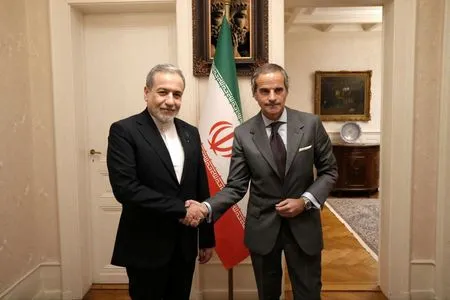
Tehran has publicly indicated that it is prepared to consider certain concessions, including limiting or reducing the level of uranium enrichment and increasing transparency measures under international monitoring frameworks. Iranian officials argue, however, that any meaningful rollback of their nuclear activities must be met with tangible economic relief. The sweeping sanctions imposed by Washington have severely restricted Iran’s oil exports, access to international banking systems, foreign investment, and overall economic stability. Inflation, currency depreciation, and unemployment have placed considerable strain on the Iranian economy, strengthening calls within the country for sanctions relief as a core negotiating objective.
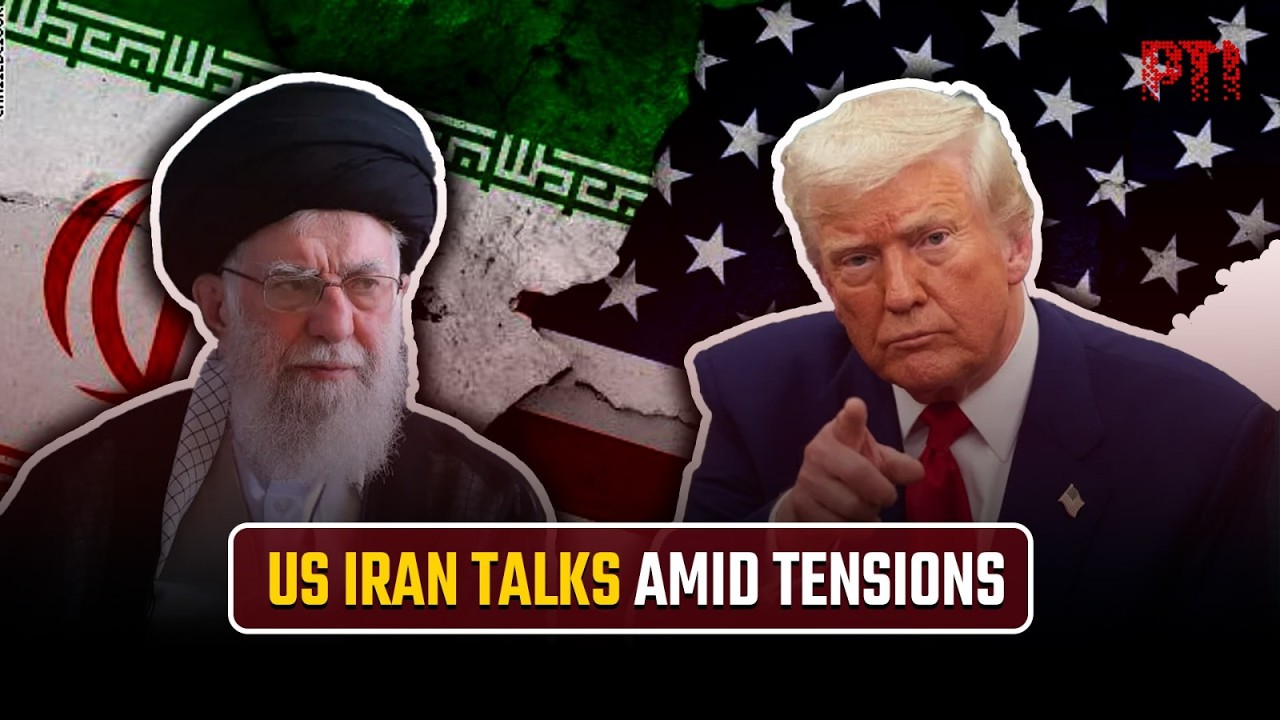
Washington, on the other hand, maintains that any renewed agreement must ensure that Iran’s nuclear program remains exclusively peaceful. U.S. officials emphasize that enrichment levels, stockpile sizes, and the operation of advanced centrifuges must be strictly curtailed to extend Iran’s “breakout time” — the period required to produce enough fissile material for a nuclear weapon. American negotiators have also expressed concern over verification mechanisms, insisting on robust inspection protocols by international nuclear watchdogs to guarantee compliance.
Uranium enrichment remains the central sticking point. While Iran insists that enrichment for civilian energy purposes is its sovereign right under the Nuclear Non-Proliferation Treaty (NPT), the United States and several European allies argue that enrichment at high levels brings Iran dangerously close to weapons-grade capability. This fundamental disagreement has historically derailed talks, creating cycles of progress followed by renewed mistrust.
The upcoming negotiations in Geneva are viewed as a critical juncture. Diplomats from both sides are expected to explore phased approaches — potentially involving incremental sanctions relief in exchange for verifiable nuclear rollbacks. Observers note that trust deficits remain high, and both governments face political opposition at home that complicates compromise.
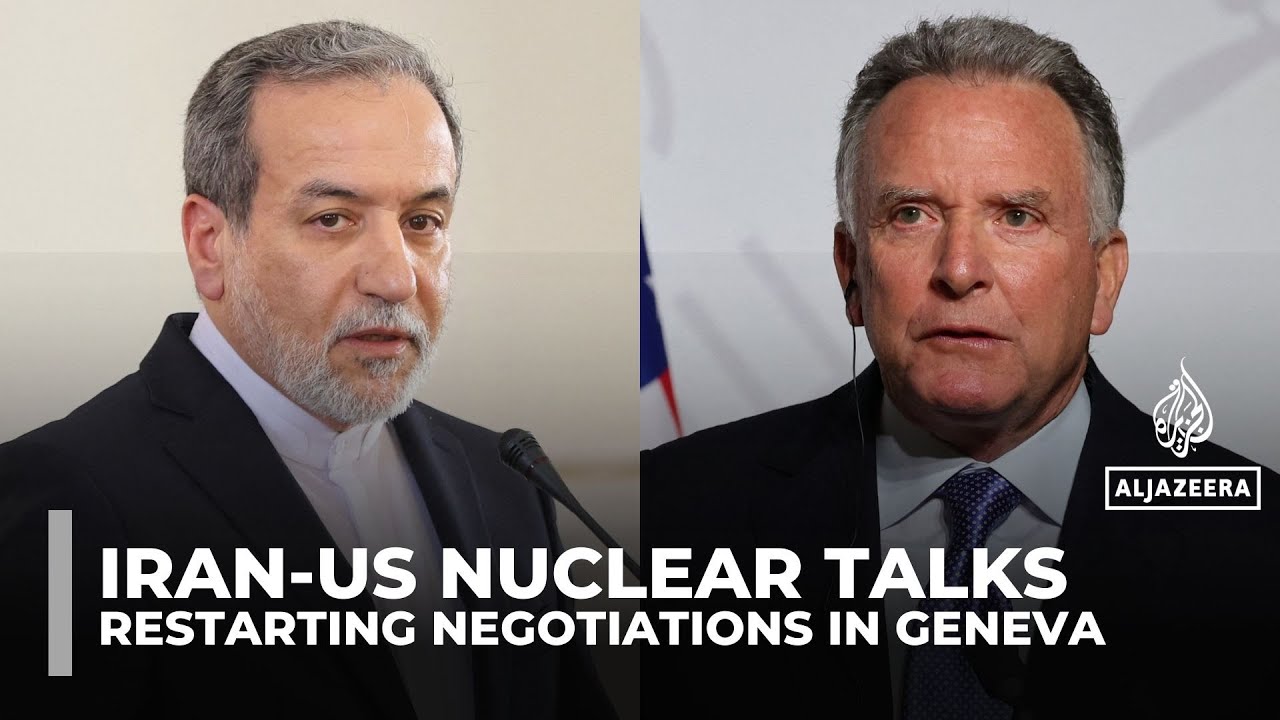
Beyond the bilateral dimension, the outcome of these talks carries significant implications for broader Middle East security. Regional powers closely monitor the negotiations, concerned about both nuclear proliferation risks and shifting geopolitical balances. A successful agreement could ease regional tensions, stabilize global energy markets, and reopen diplomatic channels. Conversely, failure could accelerate nuclear advancement, provoke military posturing, and deepen instability across an already volatile region.
As discussions resume, the world watches closely, aware that the path chosen in Geneva may shape not only U.S.–Iran relations but also the strategic landscape of the Middle East for years to come.