Tragedy at Northern Arizona University: Freshman’s Death After Fraternity Rush Leads to Arrests
- SaoMai
- February 25, 2026
A young life full of promise was cut short after an 18-year-old freshman at Northern Arizona University died following a fraternity rush event that authorities say involved alcohol and possible hazing. The student had only just begun his college journey in Flagstaff when he attended an event hosted by the Delta Tau Delta fraternity on January 31. By the next morning, he was found unresponsive.
Emergency responders were called, but despite efforts to save him, the freshman was pronounced dead. Investigators later revealed that alcohol played a significant role in the night’s events. As details emerged, law enforcement began examining whether hazing — a practice long criticized for putting students at risk — contributed to the tragedy.
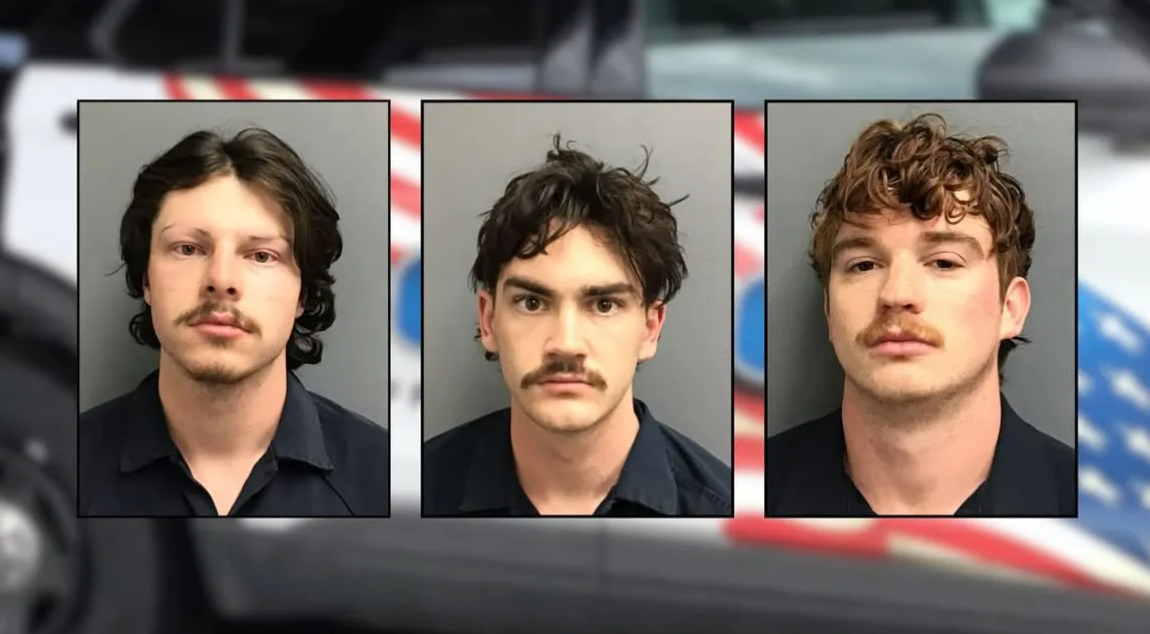
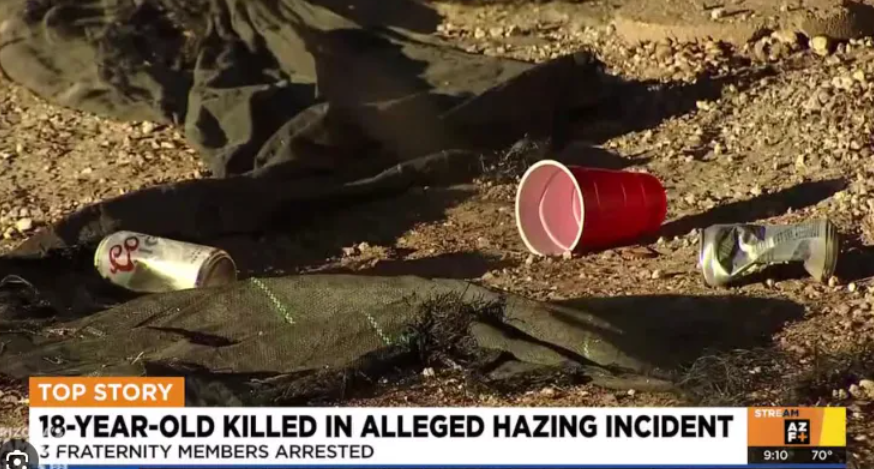 Following the investigation, three fraternity members were arrested on hazing-related charges, including the chapter’s vice president and treasurer. Authorities allege that actions taken during the rush event may have placed the freshman in a dangerous and ultimately fatal situation. While full court proceedings are still ahead, the arrests signal that prosecutors believe there is sufficient evidence to pursue accountability.
The incident has ignited intense outrage on campus and beyond. Students, parents, and advocacy groups are once again questioning how hazing traditions continue despite years of warnings, lawsuits, and prevention campaigns. Across the country, similar tragedies have prompted reforms, yet dangerous initiation rituals persist in some organizations.
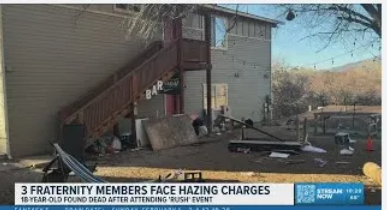 Northern Arizona University officials issued statements expressing heartbreak over the loss and pledged a thorough review of fraternity oversight policies. The university has indicated it will reassess event monitoring, alcohol regulations, and disciplinary procedures tied to Greek life organizations. Administrators say their goal is to ensure that no other family has to endure such devastating news.
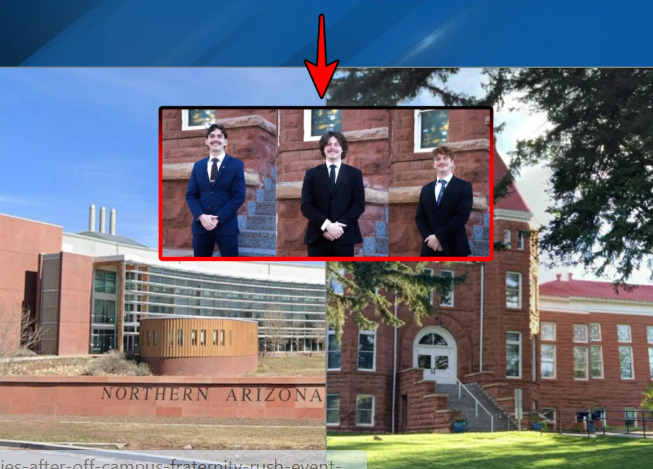 For the freshman’s loved ones, however, policy changes come too late. They are left mourning a son who should have been attending classes, making friends, and building his future. Instead, his name now joins a growing list of students nationwide whose college experiences ended in preventable tragedy.
As the legal process unfolds, this case has become more than a local investigation — it has become a renewed call for accountability, transparency, and cultural change within fraternity systems across the United States.