Beyond the Medals: Scandal, Rumors, and High Drama at the 2026 Winter Olympics ❄️🔥
- SaoMai
- February 25, 2026
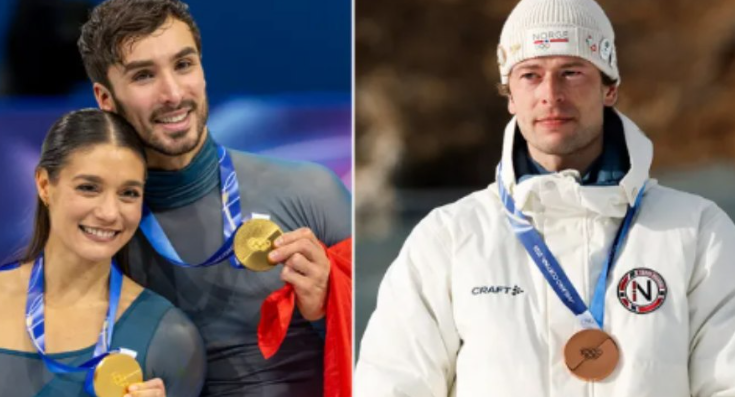
The 2026 Winter Olympics were meant to be a celebration of precision, endurance, and the unifying power of sport. With more than 3,500 athletes from 93 nations arriving in Italy to compete across the breathtaking backdrops of Milan and Cortina d’Ampezzo, the stage was set for record-breaking performances and unforgettable triumphs. And there have certainly been those — including American speedskater Jordan Stolz electrifying fans with a stunning gold-medal performance in the men’s 1,000-meter event. Yet, astonishingly, much of the global conversation has drifted away from podium finishes and toward controversy.
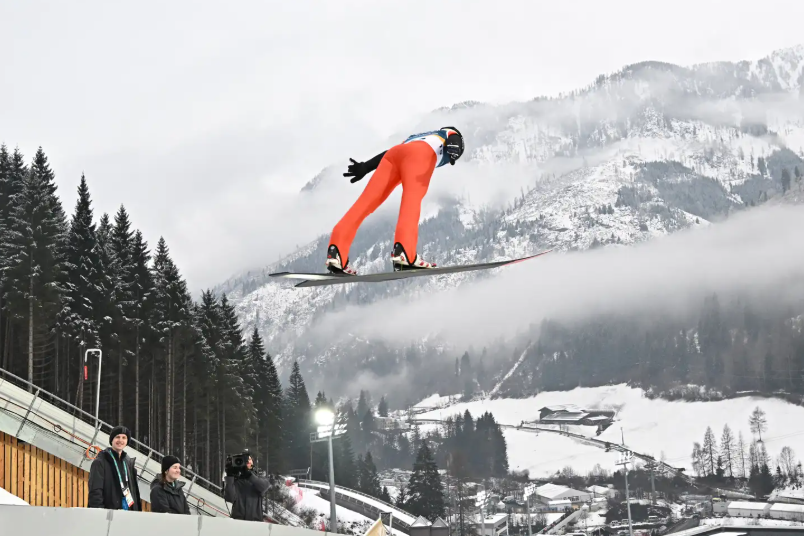
 Even before the Opening Ceremony, a bizarre rumor erupted that quickly spiraled into one of the strangest Olympic scandals in recent memory. German newspaper Bild reported that some elite male ski jumpers were allegedly injecting hyaluronic acid into their groin area to gain an aerodynamic advantage — a claim that spread rapidly across social media and international news outlets. Though no evidence supported the accusation and officials dismissed it as unfounded, the World Anti-Doping Agency signaled it was prepared to investigate if necessary. The episode, quickly nicknamed “crotch filler” by online commentators, highlighted how quickly misinformation can overshadow athletic preparation at the highest level.
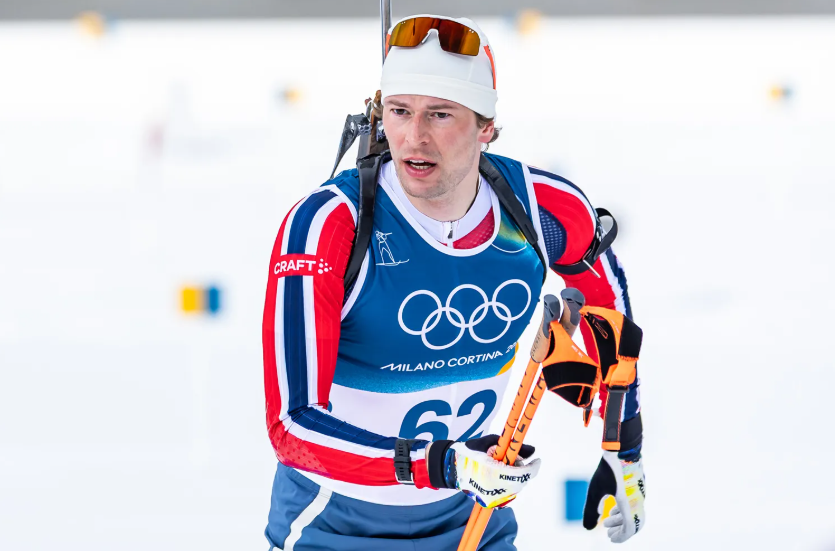
 The Games were rocked again when Norwegian biathlete Sturla Holm Lægreid made headlines for deeply personal reasons. During a live media appearance, Lægreid tearfully admitted to having an extramarital affair, a confession that went viral within hours. The unexpected revelation blurred the boundary between sport and private life, prompting debate over whether elite athletes are unfairly pressured to publicly address personal matters simply because of their fame. While some praised his honesty, others questioned whether such disclosures belonged in the Olympic spotlight.
 Meanwhile, tensions flared inside the competition arenas themselves. In curling, typically regarded as one of the most sportsmanlike Olympic disciplines, accusations of improper stone handling ignited heated exchanges between rival teams, challenging the event’s reputation for quiet composure. Off the ice, scrutiny also fell on organizational matters, as critics raised concerns about financial transparency and logistical strain surrounding the massive undertaking of hosting the Games.
Taken together, these controversies reveal a modern Olympic reality: the spectacle now extends far beyond athletic achievement. In an age of instant headlines and viral moments, triumph and turmoil travel at the same speed. While extraordinary performances continue to define the spirit of the Games, Milan-Cortina 2026 has demonstrated that drama — whether rooted in rumor, confession, or rivalry — can command just as much attention as the race for gold.