New DNA Claims Stir Fresh Debate Over the Shroud of Turin
- ThanhThuong
- February 25, 2026
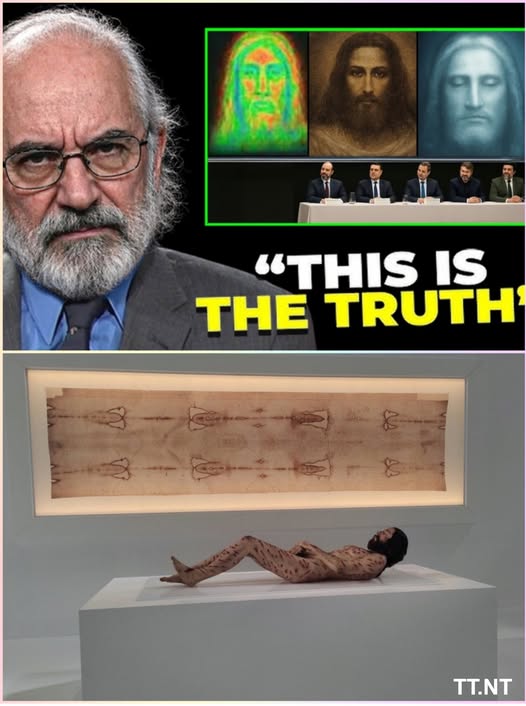
TURIN, Italy — Renewed claims about DNA evidence linked to the Shroud of Turin are reigniting one of the most enduring scientific and religious debates of modern times.
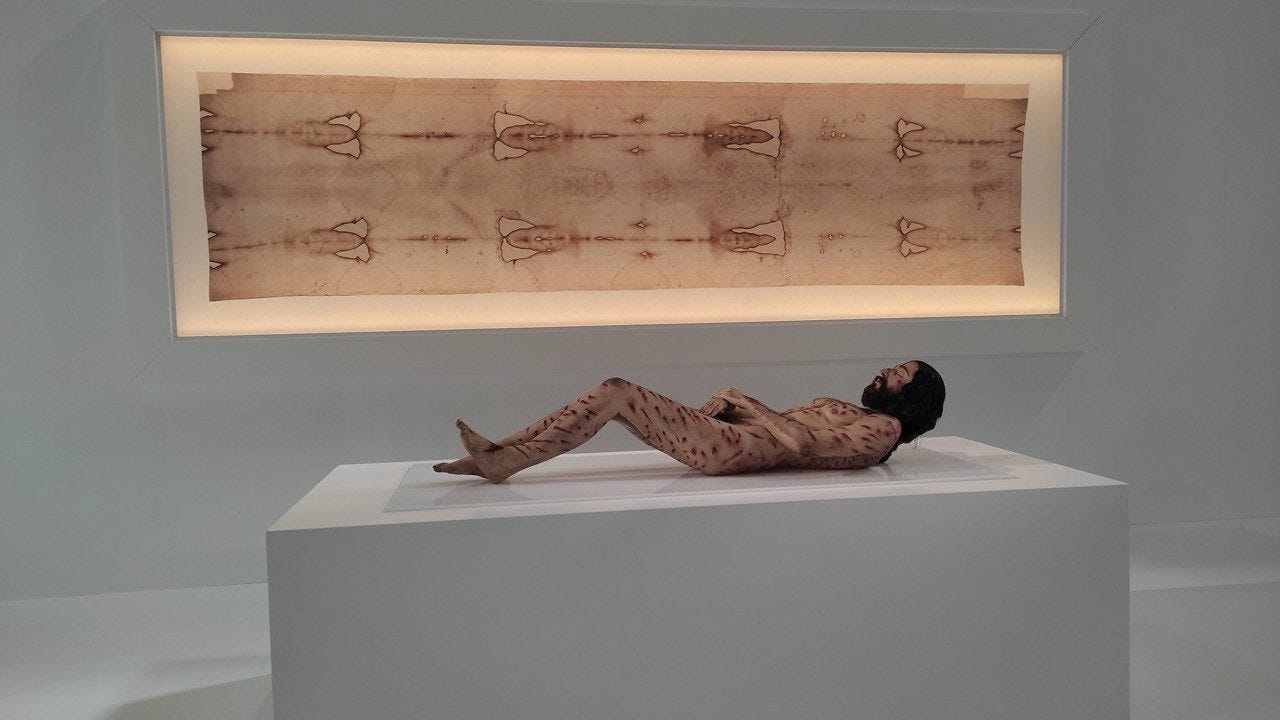
Barrie Schwortz, the official photographer of the 1978 Shroud of Turin Research Project (STURP), has discussed ongoing interest in genetic material reportedly recovered from the cloth. The linen relic, which some Christians believe to be the burial shroud of Jesus, has long been the subject of forensic, historical and theological scrutiny.

What Is the DNA Claim?
Over the past decade, various researchers have reported finding trace amounts of plant, bacterial and human DNA on samples taken from the cloth’s surface. Some proponents argue that advances in genetic sequencing could potentially reveal geographic markers or contamination patterns that shed light on the relic’s journey through history.
However, scientists caution that any DNA found on the shroud would likely represent centuries of handling, public exhibitions and environmental exposure.
“This object has been touched by thousands of people across continents,” one forensic biologist noted. “Separating original material from later contamination is extraordinarily difficult.”
The Carbon Dating Controversy
In 1988, radiocarbon testing conducted by multiple laboratories dated the shroud’s linen to between 1260 and 1390 A.D., placing its origin in the medieval period. Supporters of authenticity have challenged those findings, arguing that the tested samples may have come from repaired sections of the cloth.
Mainstream scientific consensus still holds that the carbon dating results strongly support a medieval origin.
Schwortz’s Role
Barrie Schwortz has long advocated for continued research, emphasizing that modern technology — including more refined DNA sequencing methods — could provide new data without damaging the artifact.
While he does not claim definitive proof of authenticity, he has encouraged open scientific inquiry rather than dismissing the relic outright.
What Experts Say Now
As of now, no peer-reviewed study has conclusively demonstrated that newly identified DNA fundamentally changes the historical understanding of the shroud. Most experts agree that any genetic material present would almost certainly be mixed from numerous sources over many centuries.
The debate over the Shroud of Turin continues to straddle science and faith. For believers, it remains a powerful devotional object. For scientists, it remains a challenging forensic puzzle.
Whether new DNA findings will clarify the relic’s origins — or deepen the mystery — remains an open question.