The Case of Donald Hartung: Facts Behind a Triple Homicide
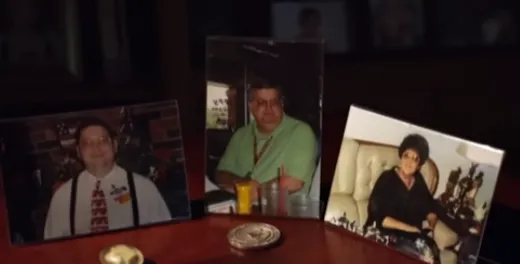
In July 2015, a quiet neighborhood in Pensacola was shaken by a brutal crime. Three members of the Hartung family were found murdered inside their home: Bertha Hartung and her two sons, Robert Hartung and Daniel Hartung.
The suspect was Bertha’s surviving son, Donald Hartung.
Early media coverage speculated about occult motives because Hartung reportedly identified as a pagan and owned religious books and ritual items. Rumors spread quickly, and fear followed. But as the case moved through the legal system, the evidence presented in court painted a more grounded — though no less tragic — picture.
This was not a story about witchcraft rituals. It was a story about violence, family conflict, and ultimately, criminal accountability.
What Happened on July 21, 2015?
On July 21, 2015, authorities responded to a welfare check at the Hartung residence in Pensacola. Inside, they discovered the bodies of Bertha Hartung and her sons Robert and Daniel. All three had suffered fatal blunt-force and sharp-force injuries.
The scene was violent and deeply disturbing. Investigators quickly focused on Donald Hartung, who had been present at the home and whose statements raised suspicion.
Within weeks, he was arrested and charged with three counts of first-degree murder.

Was the Crime a “Pagan Ritual”?
Early reports suggested that items found in Hartung’s possession — including books about paganism and occult symbolism — might indicate ritual sacrifice. This narrative fueled headlines and community anxiety.
However, during the trial, prosecutors did not present credible evidence that the murders were part of a religious or ritualistic sacrifice. While Hartung had expressed unconventional spiritual beliefs, the state’s case focused on physical evidence, motive, and his actions — not on organized pagan doctrine.
It is important to clarify:
-
Paganism is a broad spiritual category encompassing many nature-based belief systems.
-
The overwhelming majority of pagan practitioners do not engage in violence.
-
Law enforcement did not establish that the crime was part of any recognized religious ritual.
Sensational framing often overshadows facts in high-profile cases. In this instance, the legal proceedings centered on homicide — not theology.
The Trial and Conviction
In 2016, Donald Hartung went to trial in Florida. Prosecutors argued that he intentionally killed his mother and brothers. Evidence presented included forensic findings, witness testimony, and inconsistencies in Hartung’s statements.
The defense suggested mental health factors played a role, but the jury ultimately found him guilty on three counts of first-degree murder.
He was sentenced to life in prison without the possibility of parole.
The verdict brought legal closure, though it could never restore the lives lost.
Community Reaction and Media Impact
The murders left a deep scar on the Pensacola community. Residents struggled to comprehend how a family tragedy of this magnitude could occur in their neighborhood.
Media attention amplified fear by emphasizing alleged occult connections. Some local religious groups publicly condemned paganism, and rumors circulated about “dark rituals.” However, broader religious and interfaith organizations cautioned against blaming belief systems for the actions of one individual.
Criminologists often warn that attributing violent crime to religious identity alone oversimplifies complex motivations. Family conflict, psychological instability, and interpersonal dynamics are far more common drivers of domestic homicide than spiritual ideology.
Separating Extremism from Religion
The Hartung case raises an important issue: the difference between personal delusion and organized belief systems.
Throughout history, violent individuals have sometimes used religion — of many kinds — to rationalize harmful actions. That does not mean those religions endorse violence.
Experts emphasize:
-
Extremism often reflects individual pathology rather than mainstream doctrine.
-
Most religious communities reject violence outright.
-
Mental health factors can intersect with belief in unpredictable ways.
In this case, the court did not establish a broader pagan conspiracy or organized ritual network. The evidence pointed to a singular defendant responsible for his own actions.
A Family Lost
At the center of the case are three victims:
-
Bertha Hartung
-
Robert Hartung
-
Daniel Hartung
Their lives ended in a brutal act of violence inside their own home. Beyond headlines and speculation, they were family members, neighbors, and members of their community.
Remembering them means focusing on the human loss — not only the sensational aspects of the story.
Lessons from the Hartung Case
The Donald Hartung case serves as a reminder of several key realities:
-
Domestic violence can occur in any household, regardless of outward appearance.
-
Media narratives can amplify fear when religious labels are attached to crime.
- Criminal responsibility rests on individual actions, not entire belief systems.
-
Sensational speculation can overshadow the victims themselves.
True crime stories often attract attention because of their shocking details. But accuracy matters. Separating fact from rumor protects both public understanding and innocent communities who share similar spiritual identities.
A Cautionary Reflection
The murders in Pensacola were horrific. The legal system responded, and the perpetrator was convicted. But the broader lesson is not about witchcraft or paganism.
It is about how violence can arise from personal conflict, instability, and destructive decision-making.
Donald Hartung’s case remains one of the most disturbing family homicides in Florida history. Yet framing it as a story of “pagan sacrifice” oversimplifies what the court ultimately addressed: a man found guilty of murdering his own family.
The tragedy lies not in theology — but in the irreversible loss of three lives.
And that is where the focus should remain.