New U.S.–Iran Talks Underway in Geneva as Trump Deal Deadline Nears
- ThanhThuong
- February 26, 2026
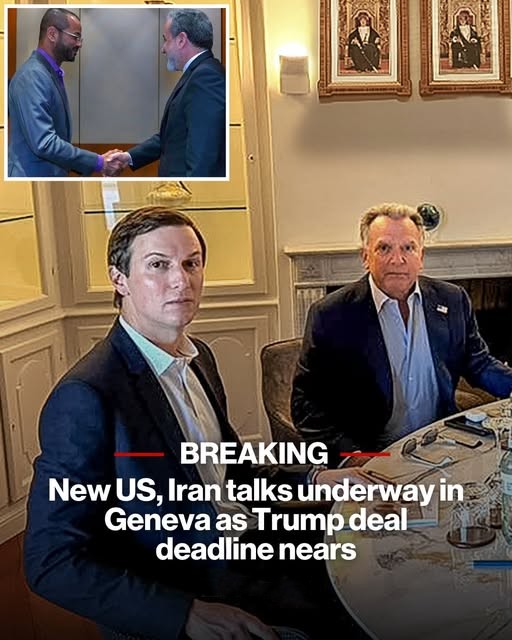
New U.S.–Iran Talks Underway in Geneva as Trump Deal Deadline Nears
By International Affairs Correspondent
GENEVA — High-stakes indirect negotiations between the United States and Iran are unfolding in Geneva this week, with both sides attempting to bridge deep divisions over Tehran’s nuclear program as a looming deal deadline set by Donald Trump approaches.
Officials from Washington and Tehran have been meeting at a diplomatic residence by Lake Geneva in a series of mediated discussions facilitated by Oman, with U.S. envoys Steve Witkoff and Jared Kushner engaging Iranian counterparts in what negotiators hope could be a final window for a diplomatic breakthrough.

Push for a Diplomatic Solution
U.S. and Iranian officials portrayed the talks as serious, if still fraught with disagreement. A senior Iranian official indicated that progress remains possible “if nuclear issues are separated from non-nuclear demands,” pointing to talks about curbing enrichment activity and re-establishing monitoring mechanisms in exchange for sanctions relief.
The U.S. side continues to press for limitations on Iran’s uranium enrichment and ballistic missile programs, even as Iran insists its nuclear pursuits are for peaceful purposes and seeks recognition of its right to limited enrichment under strict supervision.
Omani intermediaries and representatives from the International Atomic Energy Agency also remain involved, emphasizing the need for verifiable assurances to prevent nuclear weapon development — a central objective of American negotiators.

Rising Pressure and Military Posturing
While diplomats exchange proposals, the broader context remains tense. The United States has bolstered its military presence in the Middle East, including deploying aircraft carriers and fighter jets, signaling readiness for a range of outcomes if diplomacy collapses.
President Trump has reportedly given Tehran a narrow timeline — framing the talks as a “last chance” before significant escalation, though the precise deadline and its consequences have not been fully detailed by officials.

Prospects and Challenges
Both sides publicly express cautious optimism about the potential for progress, even as deep mistrust persists. Iranian diplomats have called the current round an opportunity to reach a fair accord, while U.S. lawmakers and analysts emphasize that any deal must include enforceable safeguards to address long-standing proliferation concerns.
Observers say Geneva talks may determine whether diplomacy can avert further instability in the Middle East, or whether unresolved tensions will precipitate a broader crisis.
The coming days could prove decisive in determining whether a diplomatic resolution is achievable or whether military and geopolitical pressures will take center stage.
This story is developing; updates will follow as more information becomes available.