Christian Fernandez: A Childhood Shaped by Trauma — and a Case That Changed Florida Law
- SaoMai
- February 26, 2026
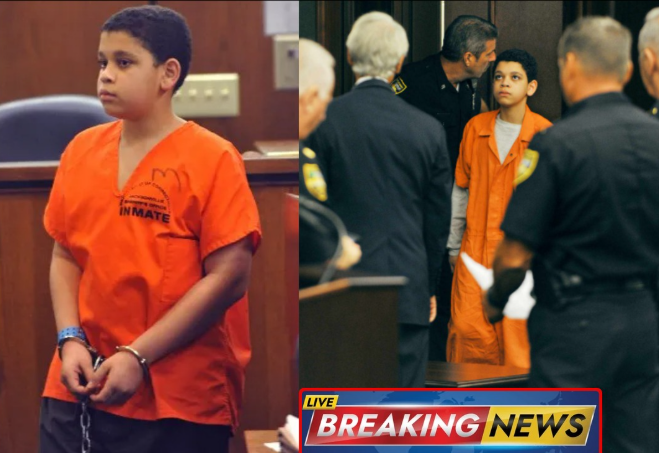
Long before his name appeared in national headlines, Christian Fernandez was a child growing up in chaos. Born into instability in Florida, his early years were marked by neglect, domestic violence, and repeated warning signs that, in hindsight, painted a troubling picture. Teachers and relatives reportedly noticed behavioral struggles. There were signs of emotional distress. But meaningful intervention never fully materialized.
In March 2011, tragedy struck inside the family home. During what authorities described as a moment of frustration, 12-year-old Christian pushed his two-year-old half-brother. The toddler fell and suffered a catastrophic head injury. According to court records, several hours passed before emergency medical help was sought. By the time the child was taken to the hospital, his injuries were irreversible.
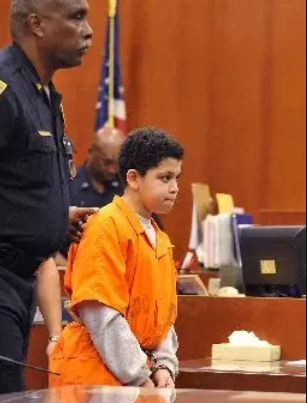 The case quickly escalated beyond a family tragedy. Prosecutors in Florida charged Christian as an adult with first-degree murder and aggravated child abuse — making him one of the youngest children in the state’s history to face adult prosecution. The decision ignited a fierce national debate.
As psychological evaluations were released, a far more complex portrait emerged. Experts described a boy exposed to chronic trauma from an early age — instability, violence in the home, inconsistent caregiving, and limited emotional support. Reports suggested he had developmental delays and a diminished capacity to regulate impulse or fully comprehend consequences in the way an adult would. 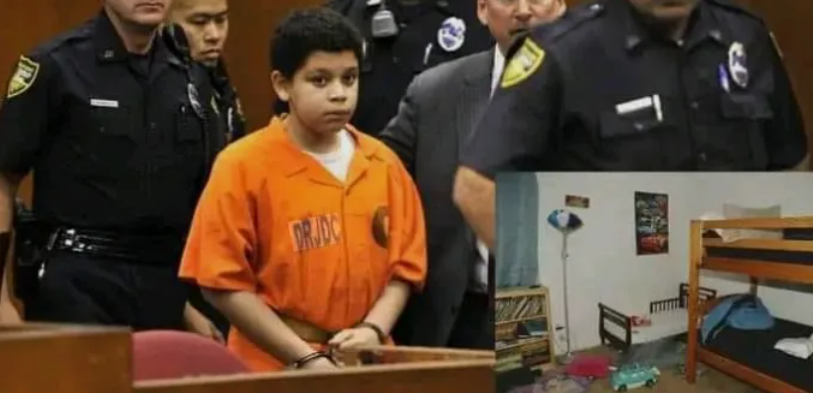 Specialists argued that prolonged childhood trauma can profoundly shape brain development, particularly in areas tied to emotional control and judgment. The public conversation shifted. Was Christian a calculating killer? Or was he the tragic product of systemic failures — a child who had never been given the tools to process anger, fear, or stress in healthy ways? Ultimately, the case did not proceed to a traditional adult murder trial. In 2013, Christian accepted a plea agreement. He was sentenced to juvenile detention followed by supervision until adulthood, avoiding a potential life sentence. The resolution, however, did not erase the deeper questions the case raised about juvenile justice, trauma, and accountability.
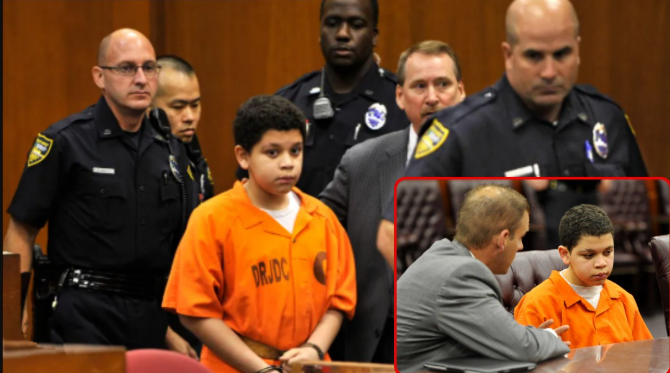 In the years that followed, Florida lawmakers reexamined the state’s policies. The controversy surrounding Christian’s prosecution contributed to reforms, including changes that restricted the adult prosecution of children under 14. For some, it was overdue progress. For others, it was a sobering acknowledgment that reform came only after irreversible harm had already been done.
The tragedy remains layered and painful: a toddler lost, a childhood fractured, and a justice system forced to confront where responsibility truly begins — and where it may have failed long before a single moment changed everything.