Behind Closed Doors: How Systemic Failures Allowed the Philadelphia “Basement of Horrors” to Happen — and What Must Change
- SaoMai
- February 28, 2026
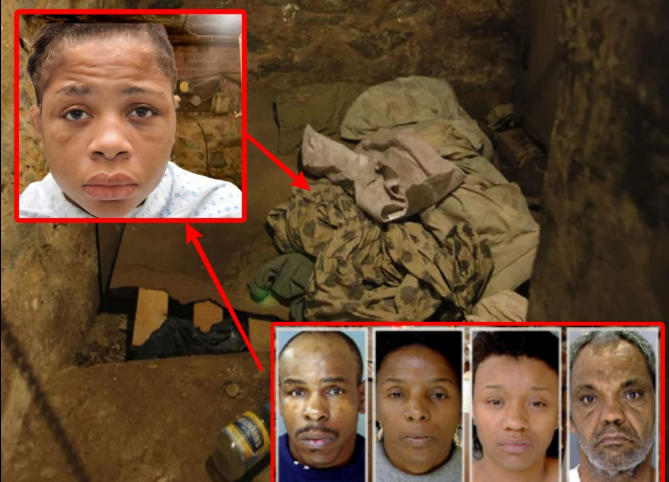
In 2011, the case that became known as the Philadelphia Basement of Horrors case shocked the nation and forced a painful reckoning with how society protects its most vulnerable citizens. At the center was Linda Weston, a woman accused and later convicted of imprisoning and exploiting vulnerable adults inside a residential basement. The victims — many living with intellectual disabilities — were allegedly subjected to manipulation, isolation, starvation, and long-term abuse while their government benefits were controlled for financial gain. The cruelty was staggering. Yet what unsettled many observers just as deeply was how such a situation could persist for years without intervention.
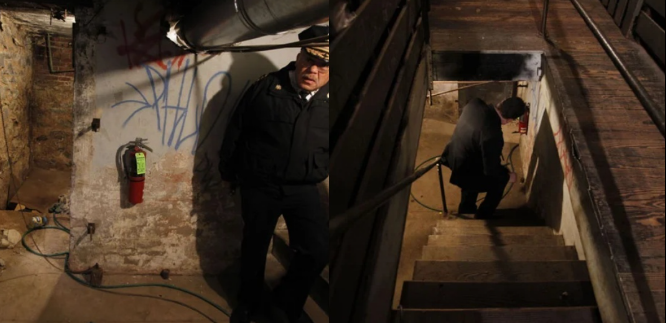 The tragedy exposed not only individual wrongdoing but also systemic weaknesses. Vulnerable adults often exist in a blind spot between child protective systems and elder care services. Once individuals with disabilities reach adulthood, oversight can diminish dramatically unless they are placed in structured programs. In this case, gaps in monitoring disability benefits, limited cross-agency communication, and a lack of routine welfare checks created conditions where exploitation could remain hidden.
Preventing similar tragedies requires structural reform. One critical change involves strengthening oversight of representative payee systems, where individuals are authorized to manage government benefits on behalf of someone else. Regular audits, independent reviews, and direct contact with beneficiaries could reduce opportunities for financial exploitation. Equally important is improving coordination between social services, housing authorities, and law enforcement. When agencies operate in silos, warning signs can be missed.
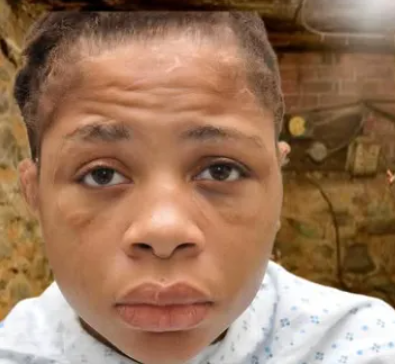 Community awareness is another essential safeguard. Neighbors, landlords, and extended family members are often the first to notice unusual patterns — excessive control, signs of neglect, or individuals who appear isolated and fearful. Public education campaigns about coercive control and disability abuse could empower people to report concerns earlier. Accessible reporting mechanisms also matter. Hotlines and advocacy services must be designed to accommodate individuals with communication challenges, ensuring that those at risk can seek help safely.
 Finally, specialized training for first responders and social workers can make a difference. Recognizing subtle signs of long-term confinement or psychological control requires knowledge and sensitivity. Early intervention depends on professionals who understand what to look for.
The Philadelphia case remains a haunting reminder that abuse often flourishes in secrecy and isolation. Justice in the courtroom, while necessary, does not erase the years of suffering endured. True prevention demands vigilance, accountability, and systems built to protect those who cannot always protect themselves.