Middle East on Edge: Israel Launches Strikes on Tehran, Iran Closes Airspace and Declares Emergency Measures
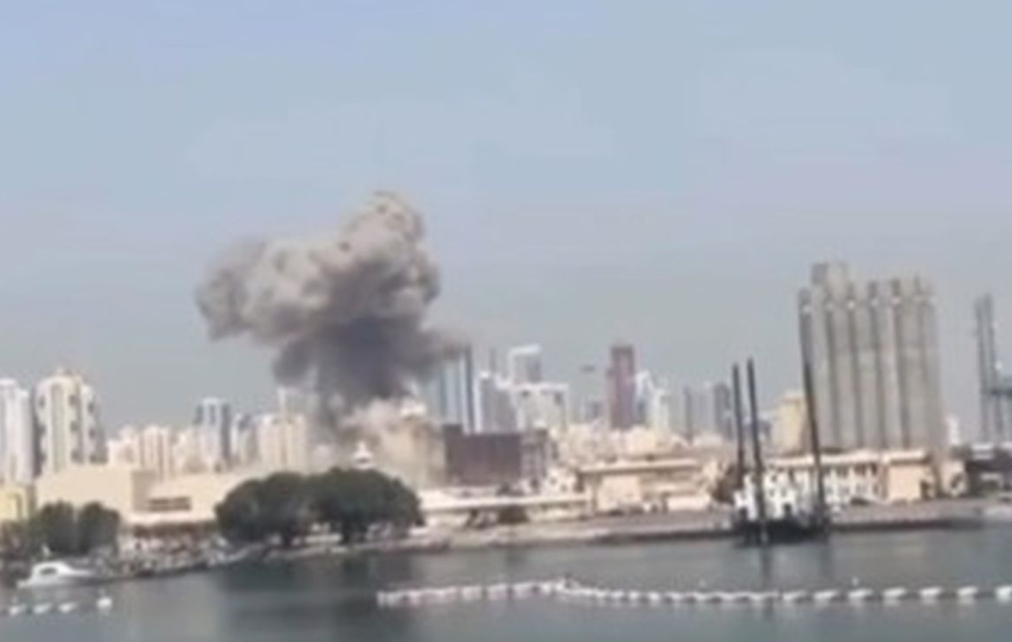
Tensions in the Middle East surged dramatically after Israel confirmed it had launched a direct military strike against Iran, triggering multiple explosions in the heart of Tehran and setting off a chain reaction of emergency responses across the region.
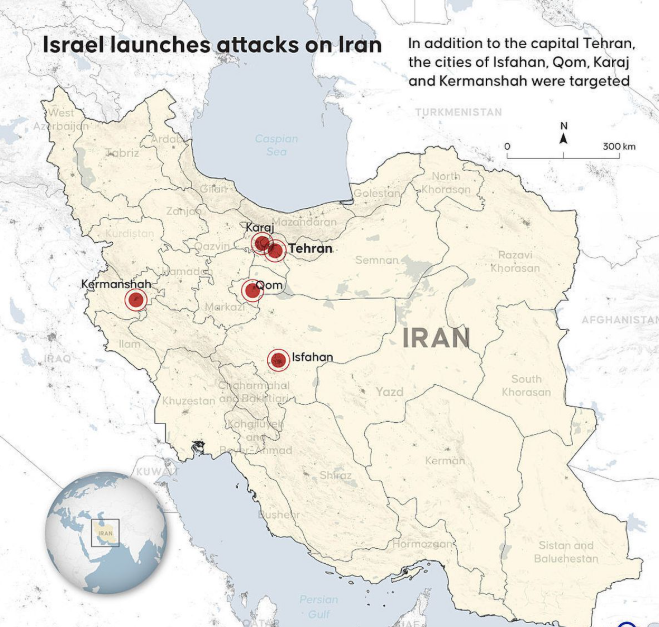
According to Israel’s Defense Minister, the operation was initiated as a pre-emptive measure in response to what officials described as imminent security threats. At least three powerful explosions were reported in Tehran late at night, with witnesses describing flashes lighting up the skyline followed by plumes of smoke rising over several districts. Iranian state media confirmed the blasts but initially provided limited details regarding specific targets or casualties.
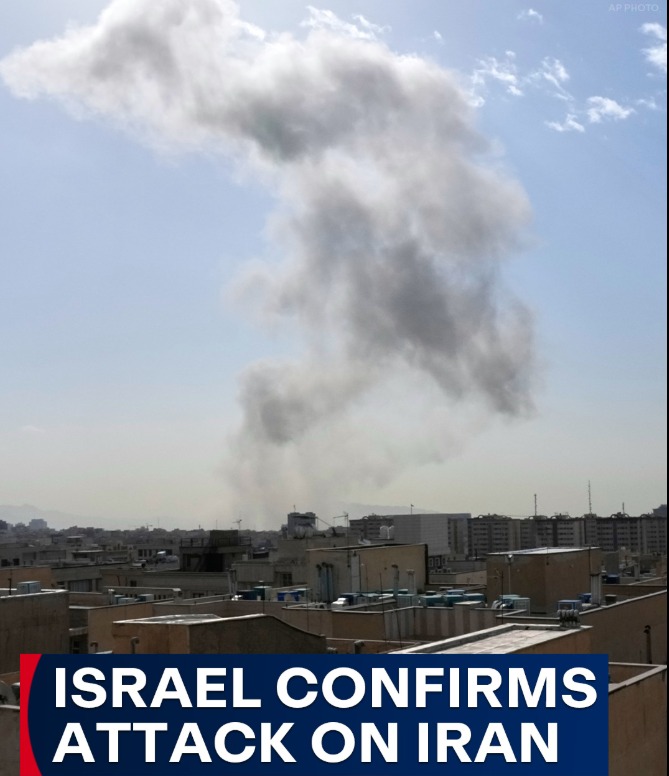 Within minutes of the explosions, Iran’s civil aviation authority announced the immediate closure of the country’s airspace, grounding commercial flights and diverting inbound aircraft. Airports across the region began reassessing routes amid fears of further escalation. In Israel, sirens sounded in several cities as authorities warned of possible retaliatory missile or drone strikes. The government declared a nationwide state of emergency, activating civil defense systems and urging residents to remain near shelters.
The Israel Defense Forces stated that the operation targeted strategic sites linked to Iran’s military infrastructure. However, officials declined to specify whether the strikes focused on weapons facilities, command centers, or air defense systems. Military analysts note that any direct confrontation between the two nations marks a significant escalation, given years of indirect conflict carried out through proxies and covert operations.
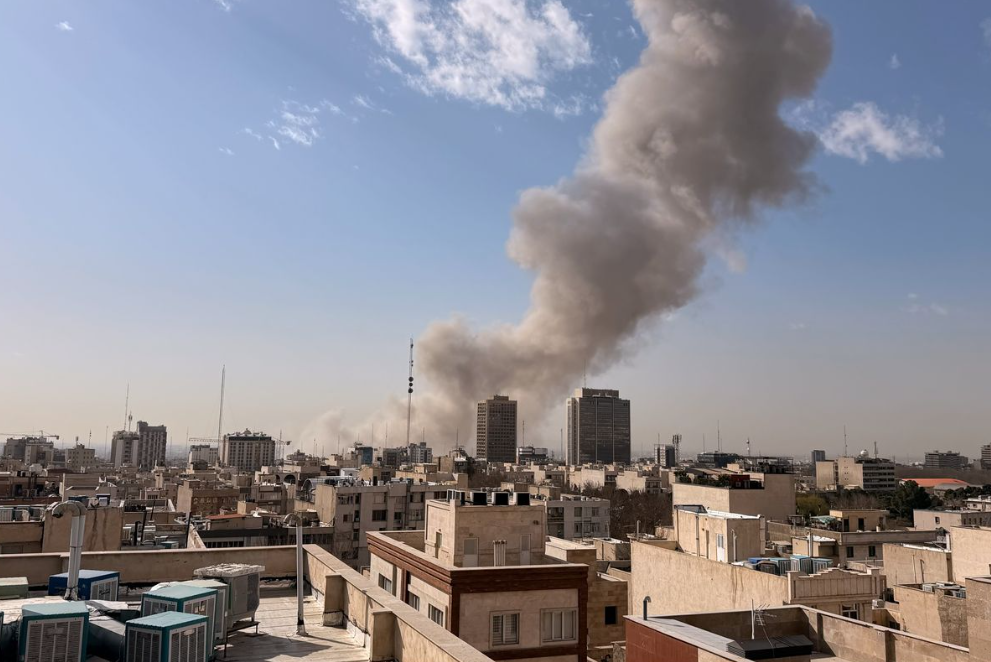 Iranian officials condemned the attack as an act of aggression and vowed a decisive response. Senior leaders signaled that retaliation would come “at a time and place of Iran’s choosing,” heightening concerns about potential strikes against Israeli territory or allied interests in the region. Security forces were placed on high alert, and additional air defense systems were reportedly activated around key government and military sites.
 Israeli Prime Minister Benjamin Netanyahu addressed the nation shortly after the strikes were confirmed, stating that Israel would “defend itself against any threat” and was prepared for “a sustained period of tension.” He emphasized that the decision to act was based on intelligence assessments and framed the operation as necessary for national security.
International reactions were swift. Several governments called for restraint and de-escalation, warning that a broader conflict could destabilize global energy markets and disrupt international air travel. Oil prices surged in early trading, reflecting investor anxiety over potential supply disruptions.
As dawn broke over Tehran and Tel Aviv, uncertainty hung heavily over the region. With airspace shut down, emergency systems activated, and retaliatory threats looming, the question now dominating diplomatic and military circles is whether this confrontation will remain limited — or mark the beginning of a far wider conflict.