Global aviation thrown into chaos as Middle East airspace shuts down
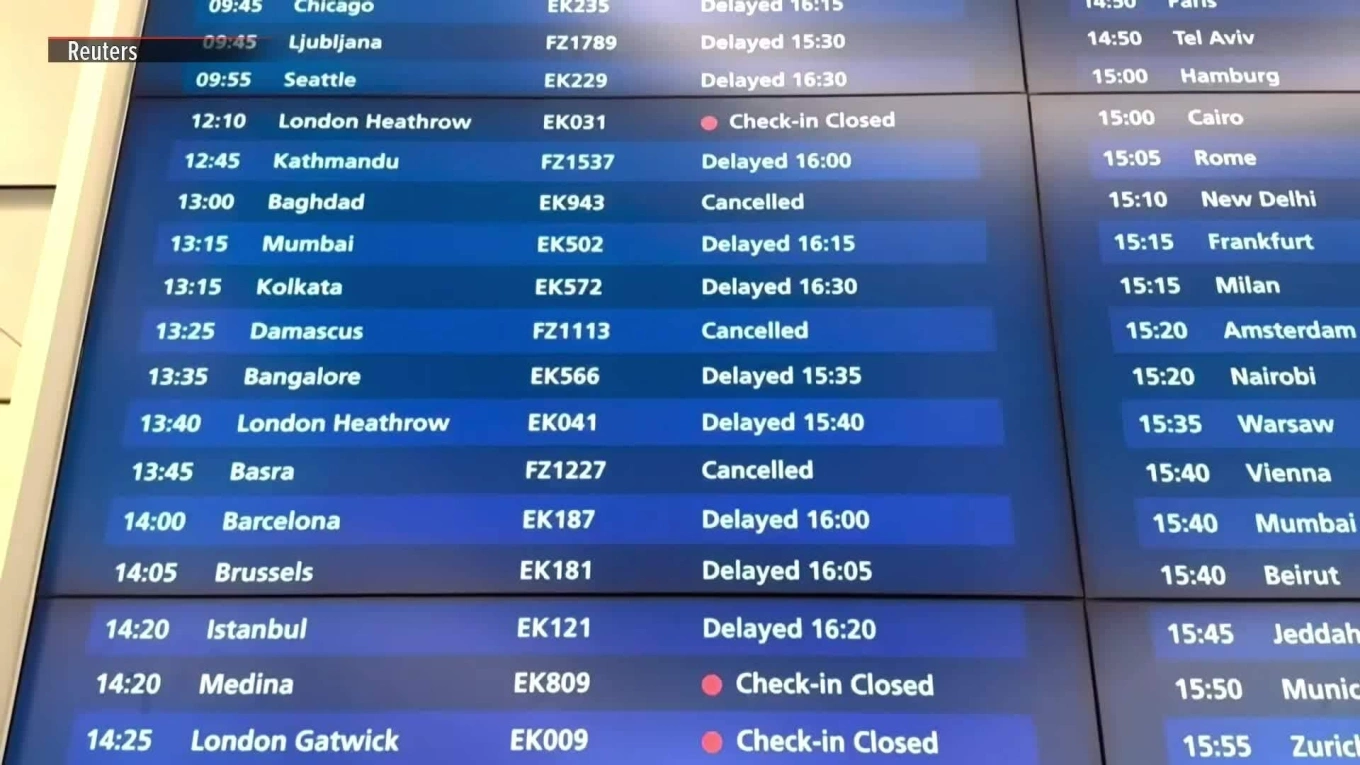
Escalating tensions between Iran and Israel have forced a wave of Middle Eastern countries to close their airspace, triggering widespread disruption across global aviation. Thousands of flights were canceled and millions of passengers left stranded as Dubai and Doha ground to a halt.
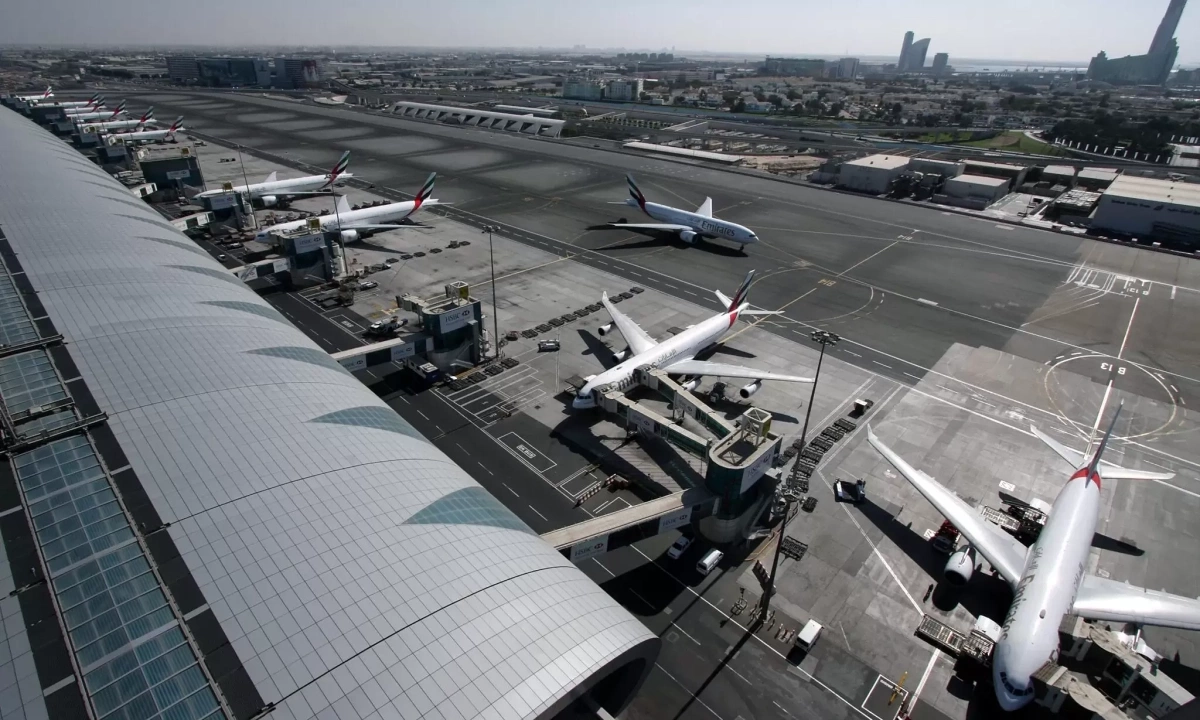
On February 28, the global aviation sector plunged into severe disorder after Dubai International Airport and Hamad International Airport simultaneously announced indefinite closures following missile attacks.
The shutdown immediately severed one of the world’s most critical transit corridors linking Europe, Asia, and Africa, stranding millions of travelers worldwide.
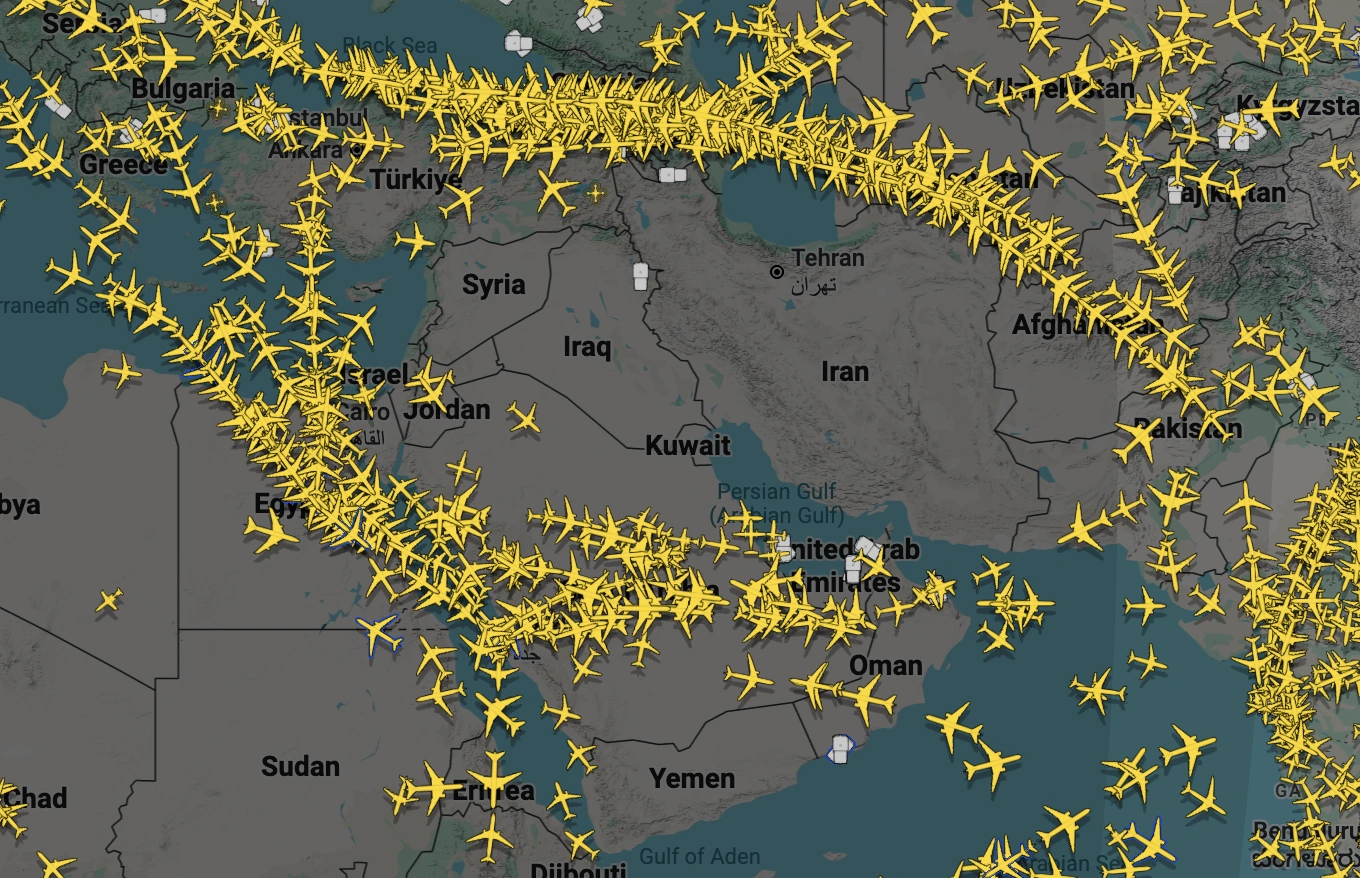
The crisis erupted as the Israel–Iran conflict intensified, marked by ballistic missile launches and drone attacks targeting strategic infrastructure. To ensure civilian aviation safety, countries including the United Arab Emirates, Qatar, Jordan, and Iraq were forced to close their airspace.
With average daily traffic of around 250,000 passengers at Dubai and hundreds of thousands more at Doha, the sudden suspension of flights affected millions of travelers globally.
Unlike weather-related or technical disruptions, this shutdown stemmed directly from security risks, with explosions and missile activity reported in countries long considered safe transit hubs.
According to data from flight-tracking platform FlightRadar24, within the first 24 hours of the airspace closures, more than 280 flights were fully canceled and at least 250 others suffered prolonged delays. Hundreds of aircraft already en route across the Middle East were forced to turn back midair—creating what aviation experts described as an unprecedented “reverse migration” in modern aviation history.
Numerous flights from Dublin, Warsaw, and Istanbul had already flown halfway before being unable to land. Routes from the United States to India and Southeast Asia that typically cross the Gulf were diverted. Passengers traveling from Sri Lanka and Bangladesh were forced to land in Oman instead of Dubai as planned.
At London and even in Dubai, some passengers had already completed check-in and boarded aircraft when they were informed that the airspace had closed. All passengers were required to return to overcrowded terminals amid confusion and uncertainty.
Russia’s aviation authority Rosaviatsia announced a temporary suspension of all commercial flights to Israel and Iran until further notice.
British Airways confirmed that flight BA108 from Dubai to London Heathrow Airport was halted despite passengers already being on board. Emirates and Qatar Airways also announced the suspension of their entire flight networks at Dubai and Doha, prioritizing the safety of passengers and crew.
Because Dubai and Doha serve as critical chokepoints for long-haul routes, thousands of aircraft stranded in the Gulf created a domino effect across major hubs such as London, Paris, Singapore, Sydney, and New York. Many airports faced aircraft shortages for onward routes, plunging global operations into chaos.
The disruption quickly spread across Asia. India’s two largest private airlines, IndiGo and Air India, suspended all flights to Middle Eastern destinations on February 28.
Singapore Changi Airport announced the cancellation of multiple flights to and from Abu Dhabi, Doha, and Dubai, advising passengers to monitor flight updates via mobile applications rather than crowding terminals.
Regional authorities have yet to provide a timeline for reopening the airspace. With the world’s largest transit axis temporarily paralyzed, the global aviation industry is facing one of its most severe shocks in years.