U.S.–Israel strikes on Iran and their impact on global oil prices
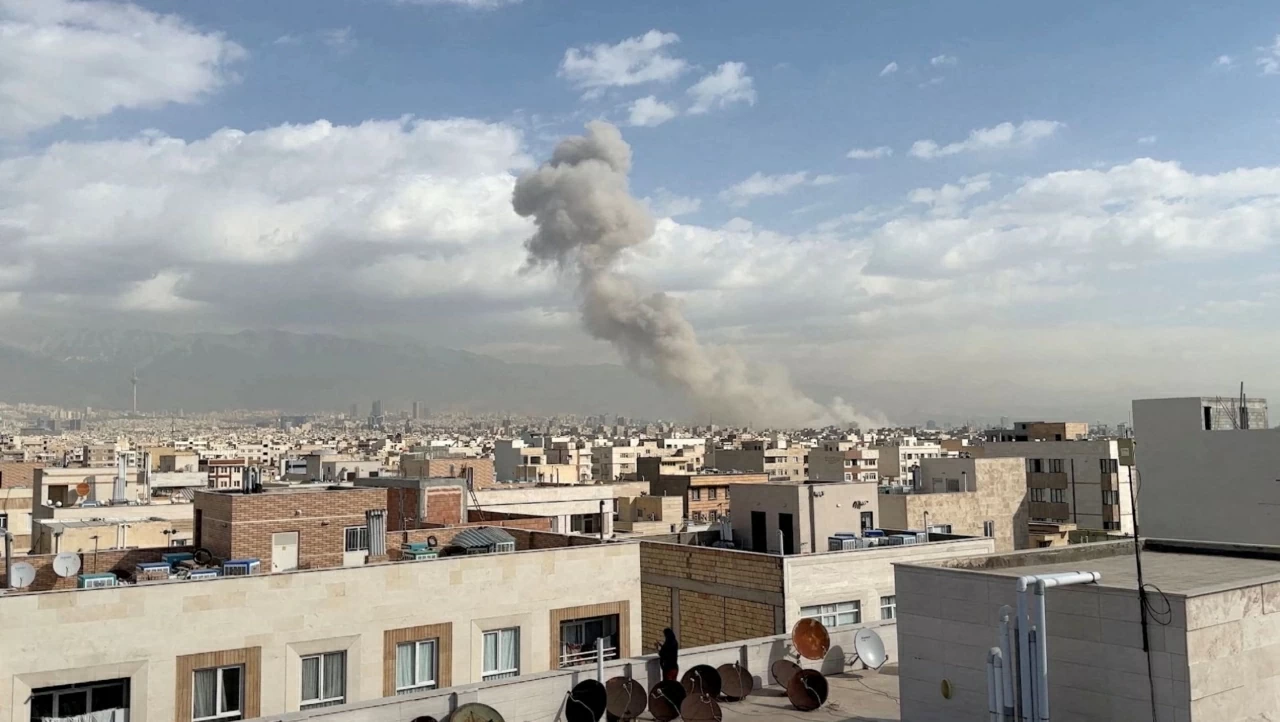
The global oil market is bracing for a major shock as coordinated airstrikes by the United States and Israel against Iran threaten to disrupt worldwide crude oil supplies, potentially triggering a sharp surge in prices.
According to Euronews, Iran is not only a major oil producer but has repeatedly threatened to block the Strait of Hormuz, a vital artery for global “black gold” exports.
A spike in oil prices risks reigniting inflation, dealing a blow to the global economy. Crude prices have reportedly reached USD 100 per barrel for the first time since the Russia–Ukraine conflict erupted in February 2022, a development that could politically hurt U.S. President Donald Trump ahead of the midterm elections later this year—especially given his pledge to American voters to keep energy affordable.
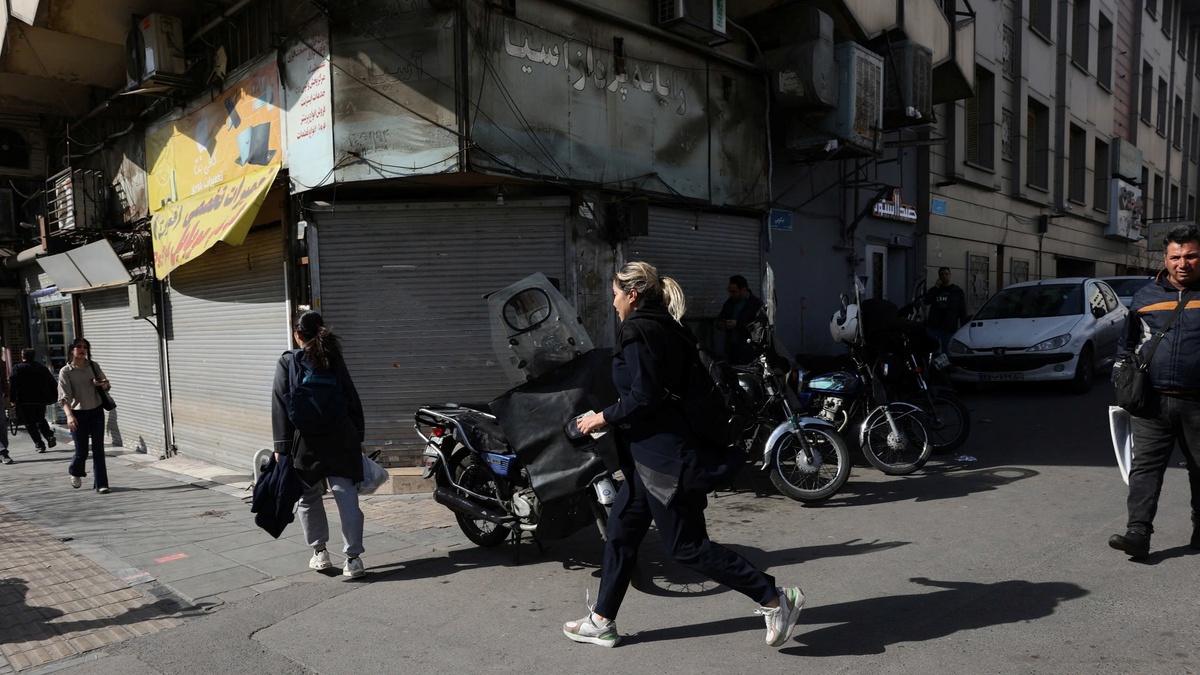
In 1974, Iran was the world’s third-largest oil producer, behind only the U.S. and Saudi Arabia, and ahead of Russia. However, its output fell sharply after Washington imposed sanctions in 1979. According to the Organization of the Petroleum Exporting Countries (OPEC), Iran’s production has dropped from around 6 million barrels per day to roughly 3.1 million barrels today—yet it remains among the world’s top ten oil producers.
Iranian crude is relatively easy and cheap to extract, costing about USD 10 per barrel, making it highly profitable. By comparison, production costs in Canada and the U.S. typically range from USD 40–60 per barrel. Only Saudi Arabia, Iraq, Kuwait, and the United Arab Emirates have similarly low costs. China remains Iran’s main customer, with over 80% of Iran’s oil exports shipped to Chinese refineries.
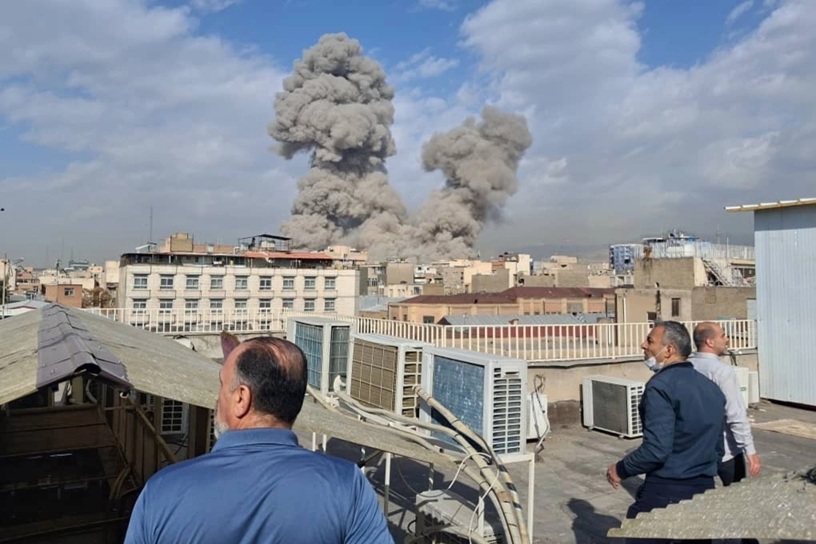
The greatest risk to the oil market lies in Tehran’s warnings about potentially closing the Strait of Hormuz. According to the U.S. Energy Information Administration (EIA), an average of about 20 million barrels of oil per day—nearly one-fifth of global liquid petroleum consumption—passed through this maritime route in 2024 alone.
The EIA notes that the strait is deep and wide enough to accommodate the world’s largest oil tankers, making it one of the most critical oil chokepoints globally. With enormous volumes of oil flowing through it and virtually no viable alternative routes, any blockade would have severe consequences. The strait is particularly vulnerable due to its narrow width—around 50 km—and relatively shallow depth of about 60 meters.
Lohmann Rasmussen, an analyst at Global Risk Management, warned that even doubts about security in the strait could deter shipping, as insurance costs would likely soar. Meanwhile, Ole Hansen of Saxo Bank told Agence France-Presse that only Saudi Arabia and the UAE possess infrastructure capable of rerouting oil flows on a large scale.
The regional tensions are escalating even as Washington and Tehran have been seeking an agreement to curb Iran’s nuclear program. On February 28, President Trump confirmed that the U.S. had launched a “large-scale military operation” in Iran, saying its objective was to “protect the American people” by eliminating immediate threats. He accused Iran of attempting to rebuild its nuclear program and develop missiles that could eventually reach U.S. territory.
The same day, Israeli Defense Minister Israel Katz announced that Israel had carried out a preemptive strike against Iran. The Israel Defense Forces (IDF) later said Iran had fired a new barrage of missiles toward central Israel, triggering air-raid sirens.
Meanwhile, the Islamic Revolutionary Guard Corps (IRGC) claimed it had destroyed a U.S. radar system deployed in Qatar. According to the IRGC, the U.S. FP-132 radar—capable of monitoring ballistic missiles at ranges of up to 5,000 km—had been taken out.