U.S., Russia and China clash at U.N. Security Council over Iran
The United States, Russia and China exchanged sharp words at an emergency meeting of the United Nations Security Council late on February 28 in New York, following U.S. and Israeli military operations against Iran and Tehran’s subsequent retaliation against Tel Aviv and U.S. bases across the Middle East.
U.S. Ambassador to the United Nations Mike Waltz praised President Donald Trump’s decision to strike Iran, calling it a moment of “moral clarity.”
“This is a moment in history that demands moral clarity, and President Trump seized that moment,” Waltz said. He argued that the operation, dubbed “Horrifying Fury,” targeted specific and strategic Iranian assets and eliminated threats posed by Tehran to Washington’s allies. According to Waltz, the strikes were justified as a matter of “global security” and constituted “lawful action.”
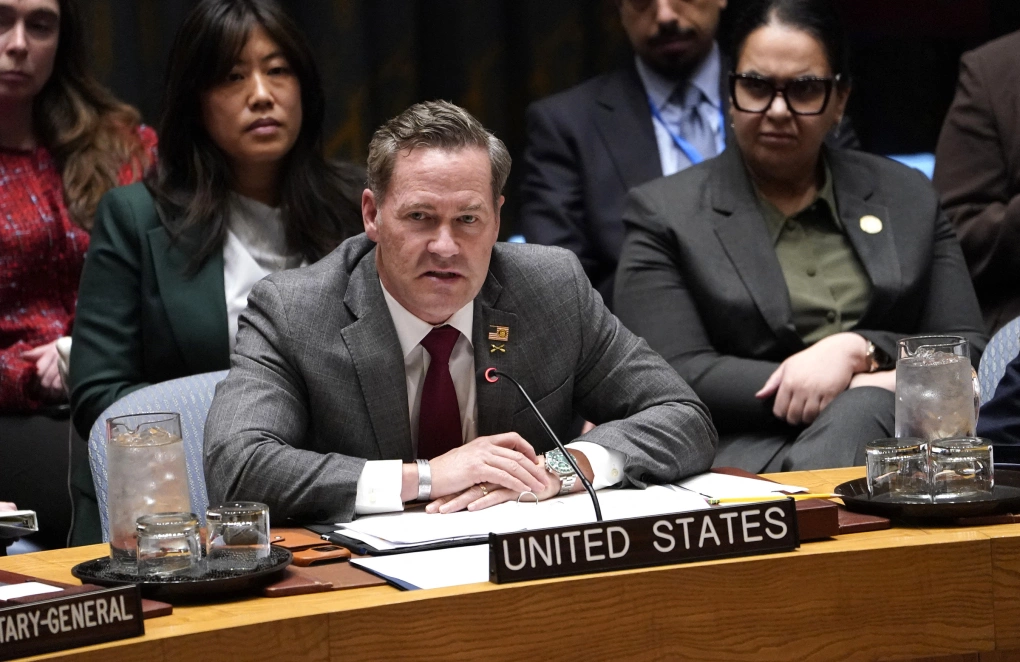
Waltz added that diplomacy had failed with Iran, saying it “cannot succeed without genuine goodwill.”
Israeli Ambassador to the U.N. Danny Danon echoed that view, saying the U.S. and Israel had acted to “confront and prevent an existential threat before it became irreversible.” He warned that the joint effort would continue “as long as the danger persists.”
Iran’s Ambassador to the U.N. Amir-Saeid Iravani said the U.S.-Israeli campaign had killed hundreds of Iranian civilians. He criticized the United Nations and the Security Council for failing to heed Tehran’s earlier warnings about what he described as Washington’s “belligerent rhetoric and interventionist actions,” and urged the council to take concrete measures.
“The question before the Council is very clear,” Iravani said. “Is any member state— even a permanent member of this Council— allowed to use force, coercion or aggression to decide the political future or system of another country, or to impose control over its internal affairs?”
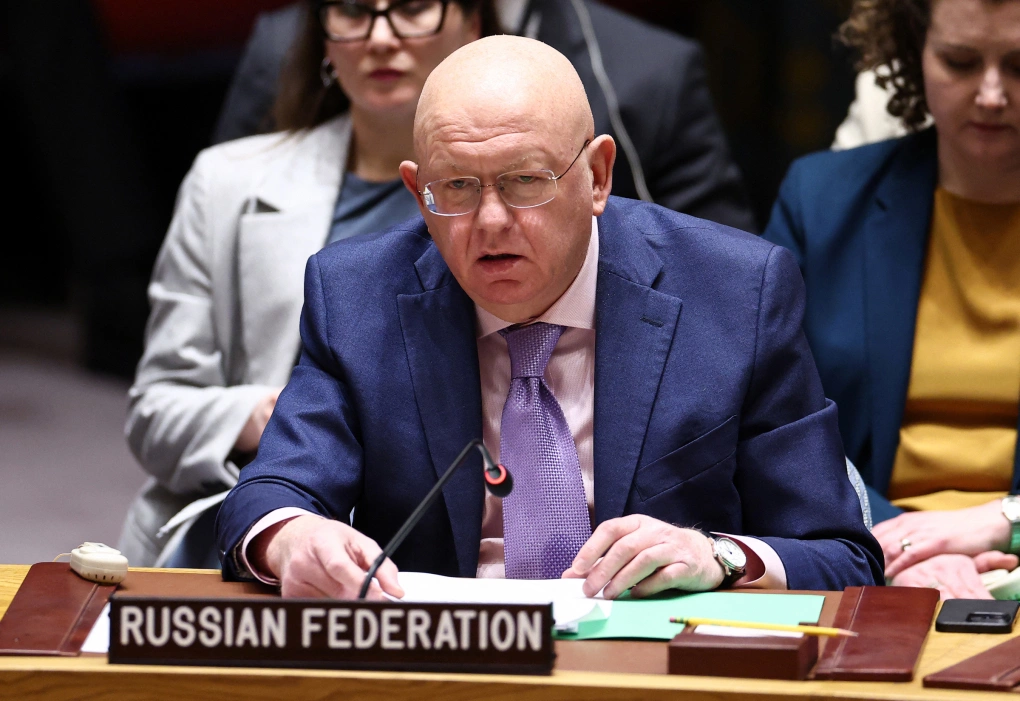
Russia’s Ambassador to the U.N. Vassily Nebenzia called on the United States and Israel to “immediately cease their aggressive actions.” He stressed the need to urgently resume political and diplomatic efforts based on international law, mutual respect and a balance of interests, adding that Moscow was ready to “provide all necessary assistance” to advance such a process.
China’s Ambassador to the U.N. Fu Cong supported Russia’s stance, saying Beijing was “deeply concerned by the sudden escalation of regional tensions” caused by U.S. and Israeli airstrikes. He emphasized that Iran’s sovereignty, security and territorial integrity— as well as those of other countries in the region— must be respected, and said China was “shocked” that the conflict erupted while Tehran and Washington were still engaged in negotiations.
Toward the end of the meeting, U.S. and Iranian diplomats confronted each other directly in what observers described as a rare exchange. After Waltz responded to Iran’s accusations that Washington had violated international law, Iravani requested the floor to issue a warning.
“I advise the representative of the United States to be polite. That would be better for him and for the country he represents,” Iravani said.
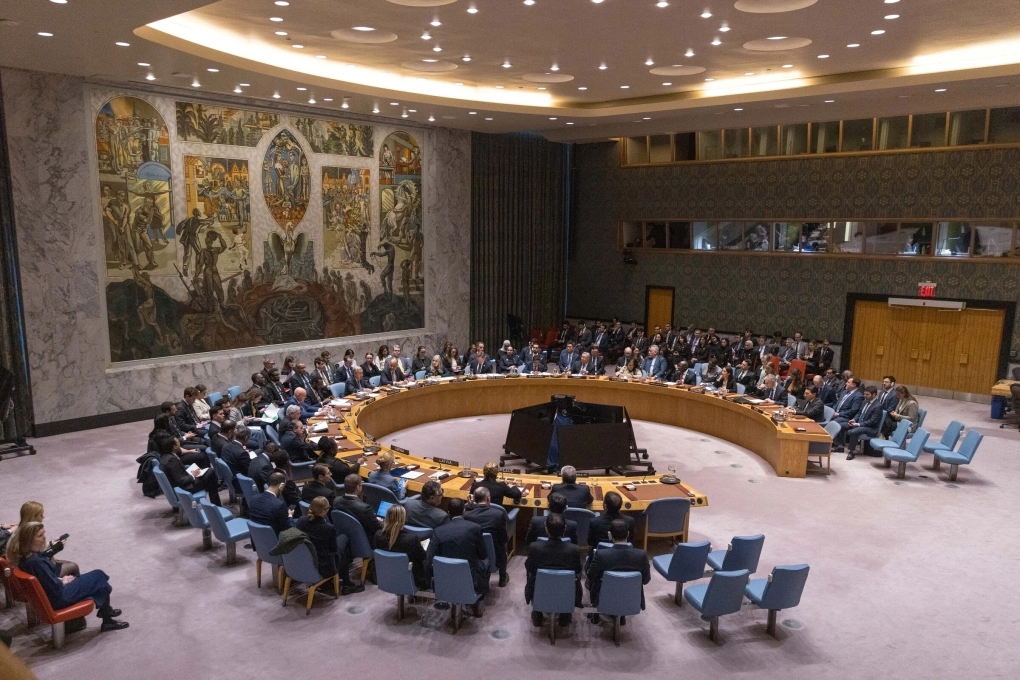
U.N. Secretary-General António Guterres urged all sides to do everything possible to prevent further escalation. “Otherwise, a larger conflict will erupt, with catastrophic consequences for civilians and regional stability,” he warned.
Guterres condemned the U.S. and Israeli strikes as violations of Iran’s sovereignty and territorial integrity and of international law, including the U.N. Charter. He also criticized Iran’s retaliatory attacks as violations of the sovereignty and territorial integrity of Bahrain, Iraq, Jordan, Kuwait, Qatar, Saudi Arabia and the United Arab Emirates.
Earlier on February 28, U.S. and Israeli forces launched coordinated strikes on Iran, targeting defense and intelligence facilities as well as senior officials and military commanders. Israel said its operation was named “Roaring Lion,” following the earlier “Rising Lion” campaign during the 12-day conflict in June 2025, while the U.S. Department of Defense referred to its operation as “Horrifying Fury.”
Iran quickly announced retaliatory operations against Israeli territory and multiple U.S. bases across the Middle East, inflicting damage. President Trump later warned that U.S. forces could suffer significant casualties in the conflict.
About 15 hours after the operation began, Trump claimed that Iran’s Supreme Leader Ayatollah Ali Khamenei had been killed. He cautioned that the campaign would continue, urged Iran’s military to lay down its arms, and called on the Iranian people to “take back their country.”