🛡️ Iran Faces Uncertain Leadership After Khamenei’s Death — No Official Successor Named Yet
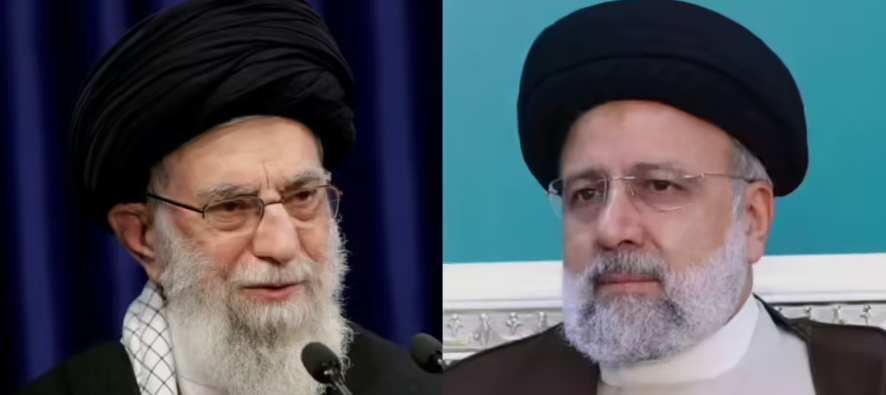
Following the reported killing of Ayatollah Ali Khamenei, Iran’s long-time Supreme Leader, there has been no official announcement from Iranian state institutions confirming that Mojtaba Khamenei, his son, has been declared the new Supreme Leader. Instead, Iran is entering a constitutionally-mandated succession process, and the situation remains fluid and unresolved.
According to Iran’s constitution, when the office of the Supreme Leader becomes vacant — whether through death, resignation, or incapacity — it triggers a formal process led by the Assembly of Experts, an 88-member body of senior Shiite clerics elected to oversee and appoint the Supreme Leader. 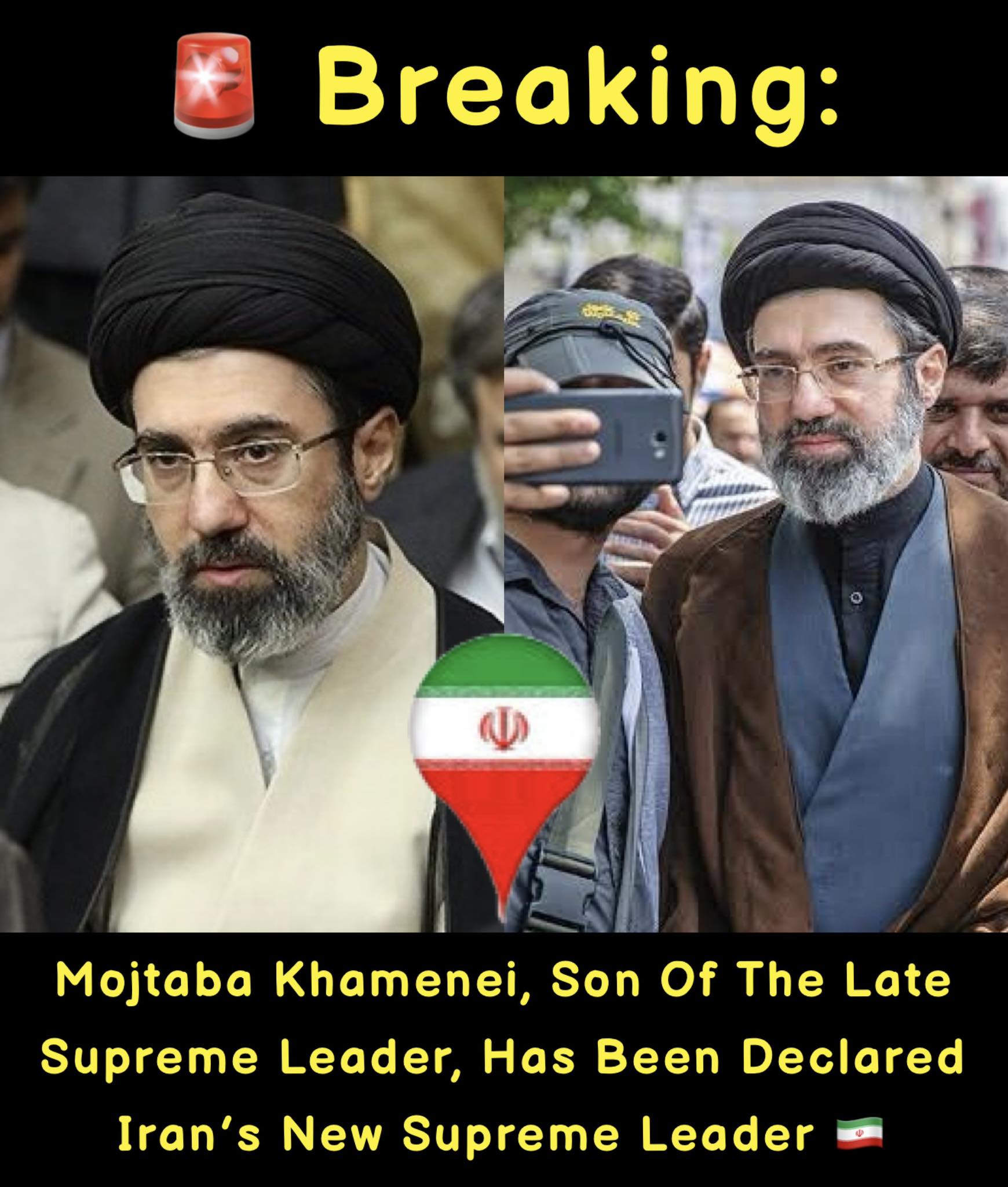 This body must act “as soon as possible” to choose a permanent successor but operates behind closed doors and typically makes decisions without public deliberation.
In the immediate aftermath of Khamenei’s death, Iran has set up a temporary leadership council that is assuming the responsibilities of the Supreme Leader while the Assembly of Experts prepares to convene. This interim council — which includes the President, the head of the judiciary, and a cleric selected by the Guardian Council — is designed to preserve continuity of governance amid crisis but does not constitute the final appointment of a new Supreme Leader.
For now, no individual — including Mojtaba Khamenei — has been officially proclaimed as the next Supreme Leader. While Mojtaba’s name has circulated in some online commentary and speculation, credible reporting from major news organizations does not confirm that he has been appointed or formally declared as leader. 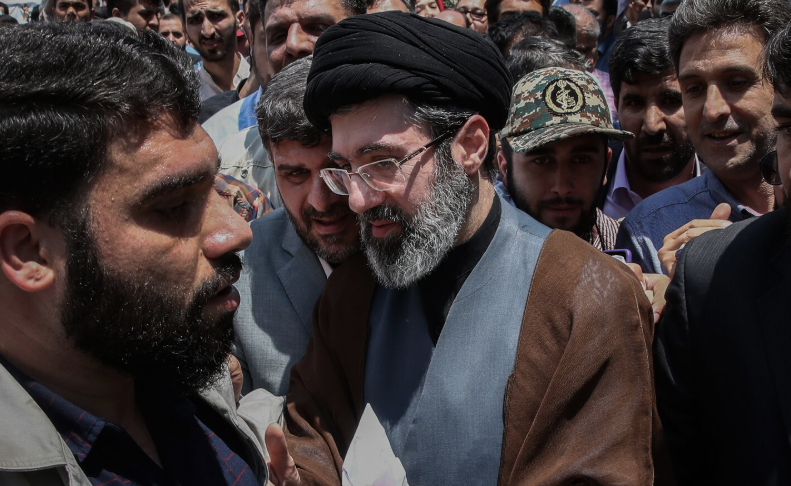 Experts on Iran’s political system emphasize that succession is controlled by clerical institutions, not by unilateral or informal declarations.
In past transitions, such as after the death of Ayatollah Ruhollah Khomeini in 1989, the Assembly of Experts moved quickly to appoint a new leader; but the current geopolitical turmoil and wartime conditions may complicate proceedings and delay a final decision.
At the moment, Iran’s leadership structure is in a state of flux: constitutional mechanisms are underway, but Mojtaba Khamenei has not been confirmed as Supreme Leader, and any such appointment — if it happens — would only come after the Assembly of Experts completes its deliberations and issues a formal decision.