The Great Stela of Aksum: Monument of a Lost African Superpower
- SaoMai
- March 2, 2026
Rising once to a height of nearly 100 feet and weighing more than 570 tons, the Great Stela of Aksum remains one of the most astonishing feats of engineering in the ancient world. Hewn from a single massive block of granite, the monument stood as a towering symbol of royal authority and spiritual belief in what was once one of Africa’s most powerful civilizations. Even in ruin, it continues to command awe — and provoke new questions about the mysterious origins of the Aksumites.
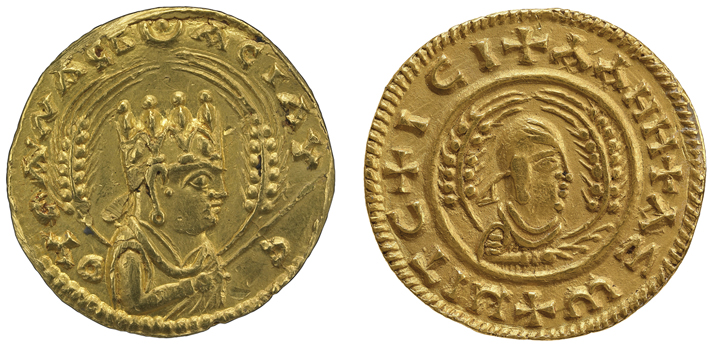 During the first millennium A.D., the Kingdom of Aksum dominated the Horn of Africa. Strategically positioned along Red Sea trade routes, Aksum connected the Roman Empire, Arabia, Persia, and India. Its merchants dealt in ivory, gold, incense, and exotic goods, making it one of the great commercial hubs of its age. Ancient writers ranked Aksum alongside Rome, Persia, and China as one of the world’s leading powers.
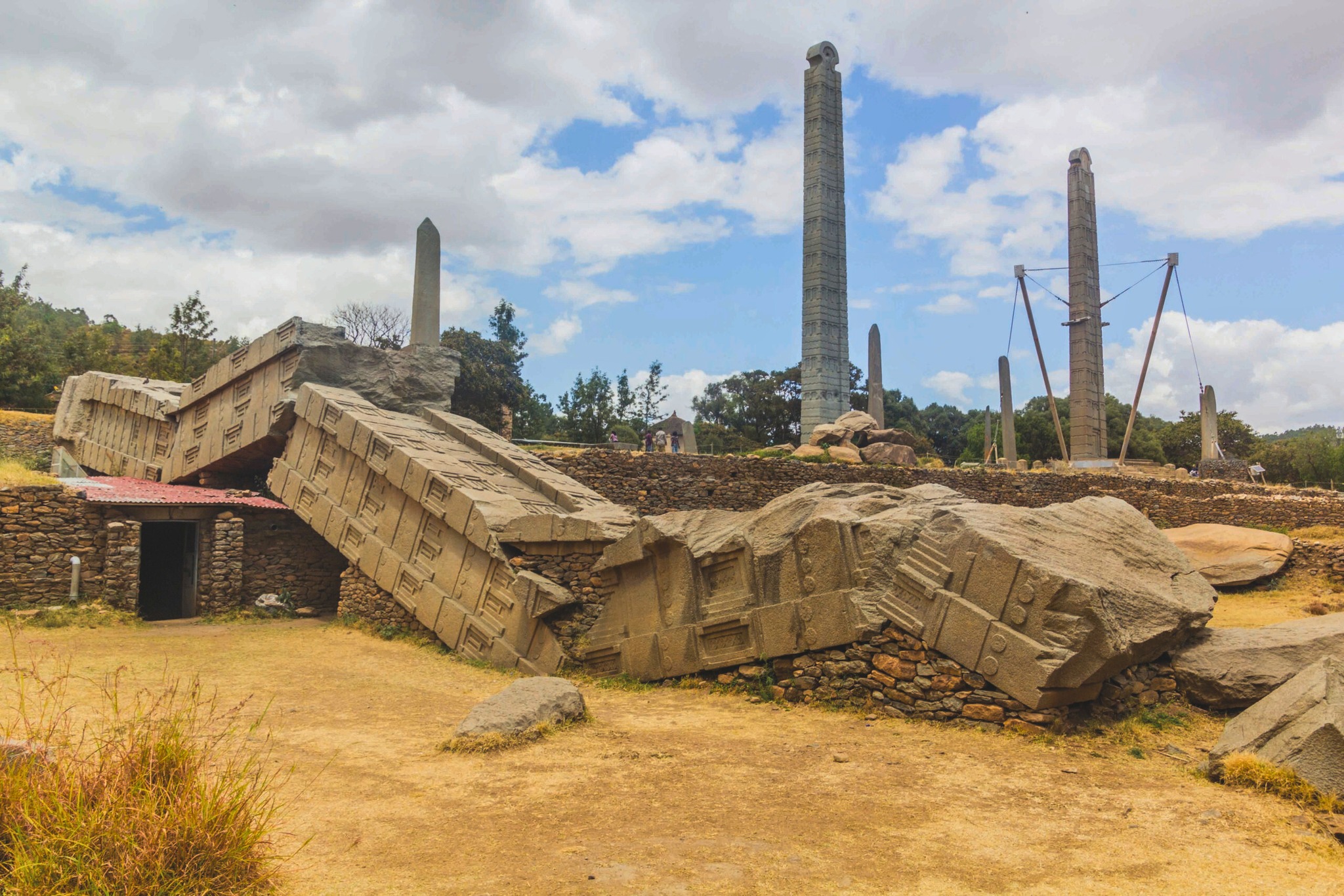 The Great Stela was part of an extraordinary field of towering stone monuments carved to resemble multi-story palaces. These obelisks marked elite burial sites, their detailed façades featuring false doors and windows, symbolic of passage into the afterlife. The scale alone is staggering: quarrying, transporting, carving, and erecting a 570-ton stone without modern machinery required immense coordination, labor, and technical sophistication. Yet the precise methods used remain a topic of ongoing debate among archaeologists.
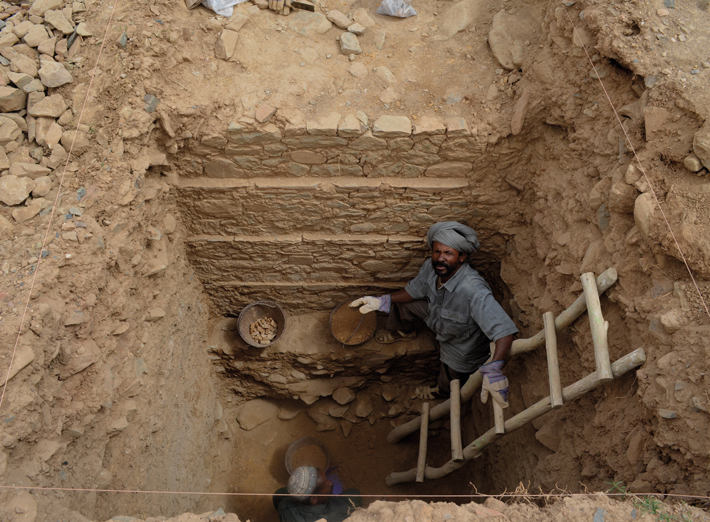
Today, excavations in and around Aksum are shedding new light on how this civilization emerged and expanded so rapidly. Researchers are investigating settlement layers beneath the monumental structures, analyzing ceramics, inscriptions, and trade goods to trace the roots of Aksumite culture. Was its rise primarily indigenous, or shaped by long-distance contact across the Red Sea? Each discovery adds nuance to a story long overshadowed by Mediterranean-centered histories.
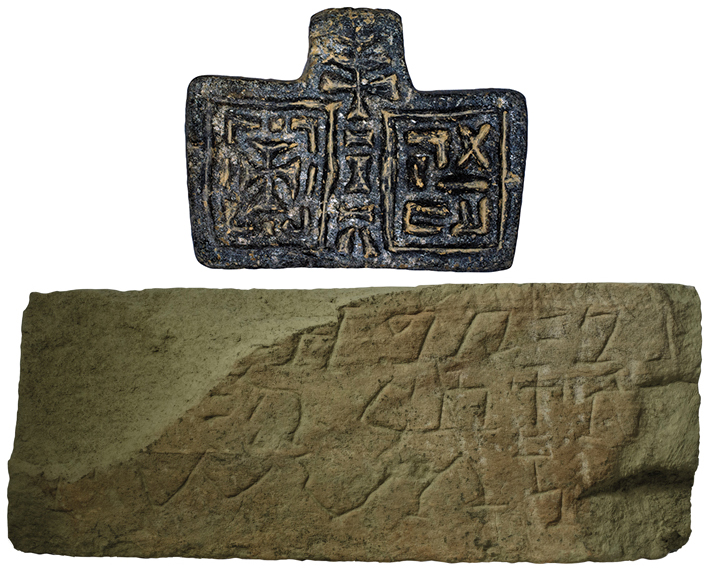 Perhaps most transformative was Aksum’s early adoption of Christianity. In the fourth century, under King Ezana, the kingdom became one of the first major states in the world to officially embrace the new faith — centuries before much of Europe. This moment permanently altered the cultural and political trajectory of the region and laid foundations for what would become the Ethiopian Orthodox Tewahedo Church, one of the oldest continuous Christian traditions on Earth.
The fallen Great Stela is more than a relic; it is a monument to ambition, faith, and global connection in ancient Africa. As archaeologists continue their work, they are not only reconstructing stone and soil — they are restoring the legacy of a civilization that once stood among the giants of history.