Secrets of the Old Kingdom: Rock-Cut Tombs Unearthed in Aswan’s Ancient Necropolis
- SaoMai
- March 2, 2026
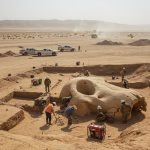
A remarkable discovery in southern Egypt is shedding new light on one of the most powerful eras of early civilization. Archaeologists working in a necropolis at Aswan have uncovered a series of rock-cut tombs dating to Egypt’s Old Kingdom (ca. 2649–2150 B.C.), a period often called the “Age of the Pyramids.” The findings emerging from the site are already being described as extraordinary.
Carved directly into the bedrock cliffs overlooking the Nile, the tombs reflect the burial traditions of a time when centralized royal authority was at its height and monumental architecture flourished across the land. But beyond the imposing stone chambers themselves, it is what lay inside that has captured the attention of researchers.
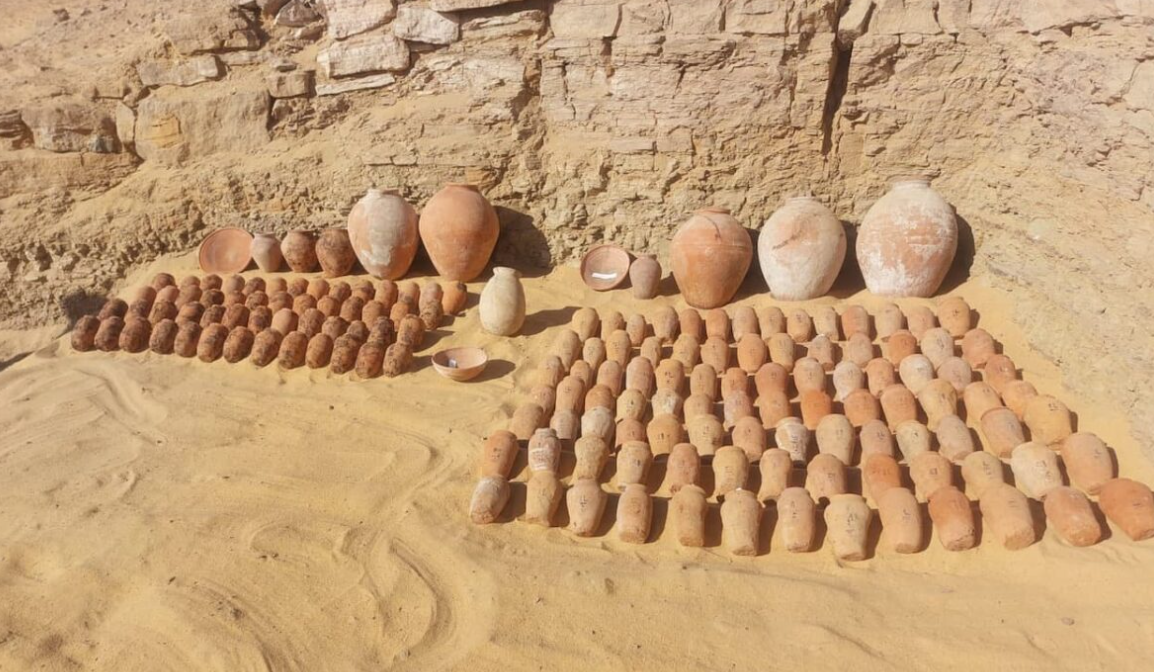
 Two of the burial chambers contained approximately 160 pottery vessels — many of them inscribed in hieratic script, the cursive writing system used for administrative and religious texts in ancient Egypt. These inscriptions may hold critical clues about the identities, titles, and offerings associated with those interred. Such large collections of inscribed pottery are rare, especially when preserved in relatively intact burial contexts.
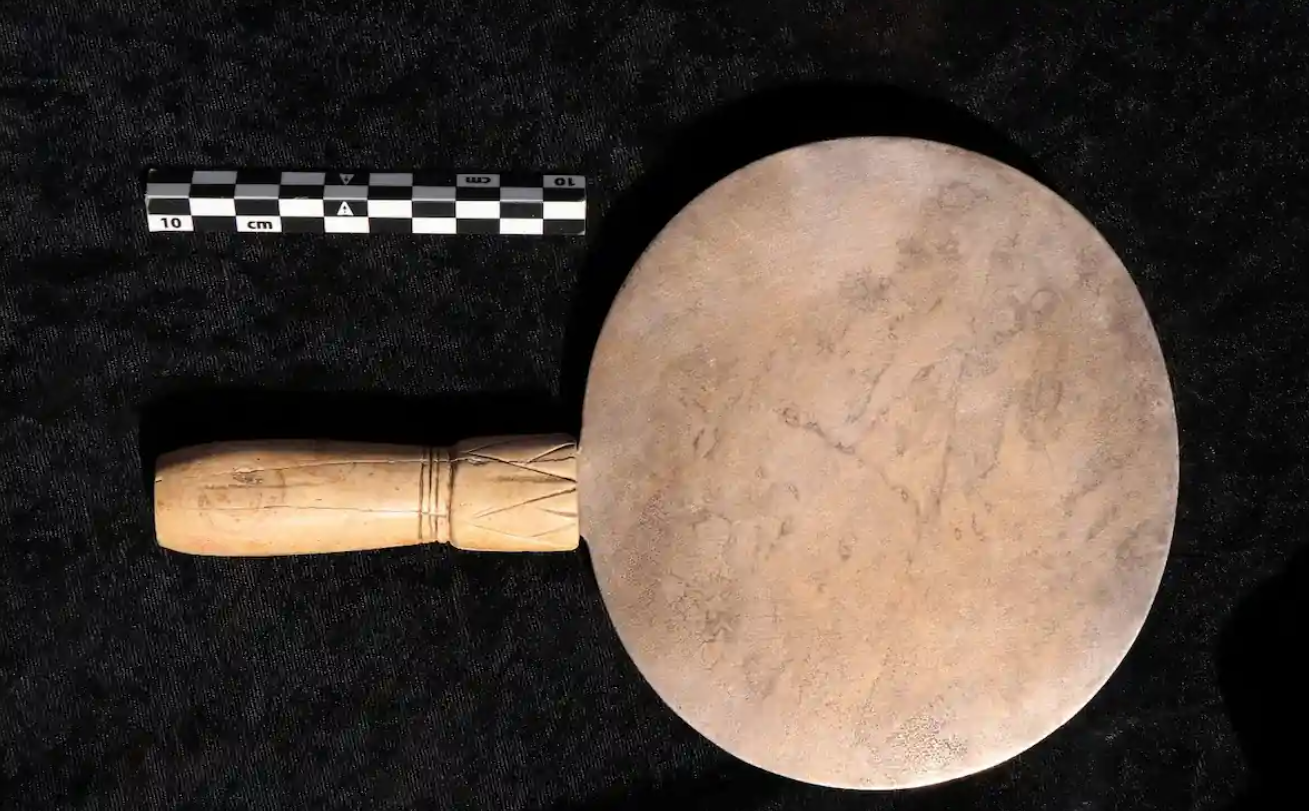
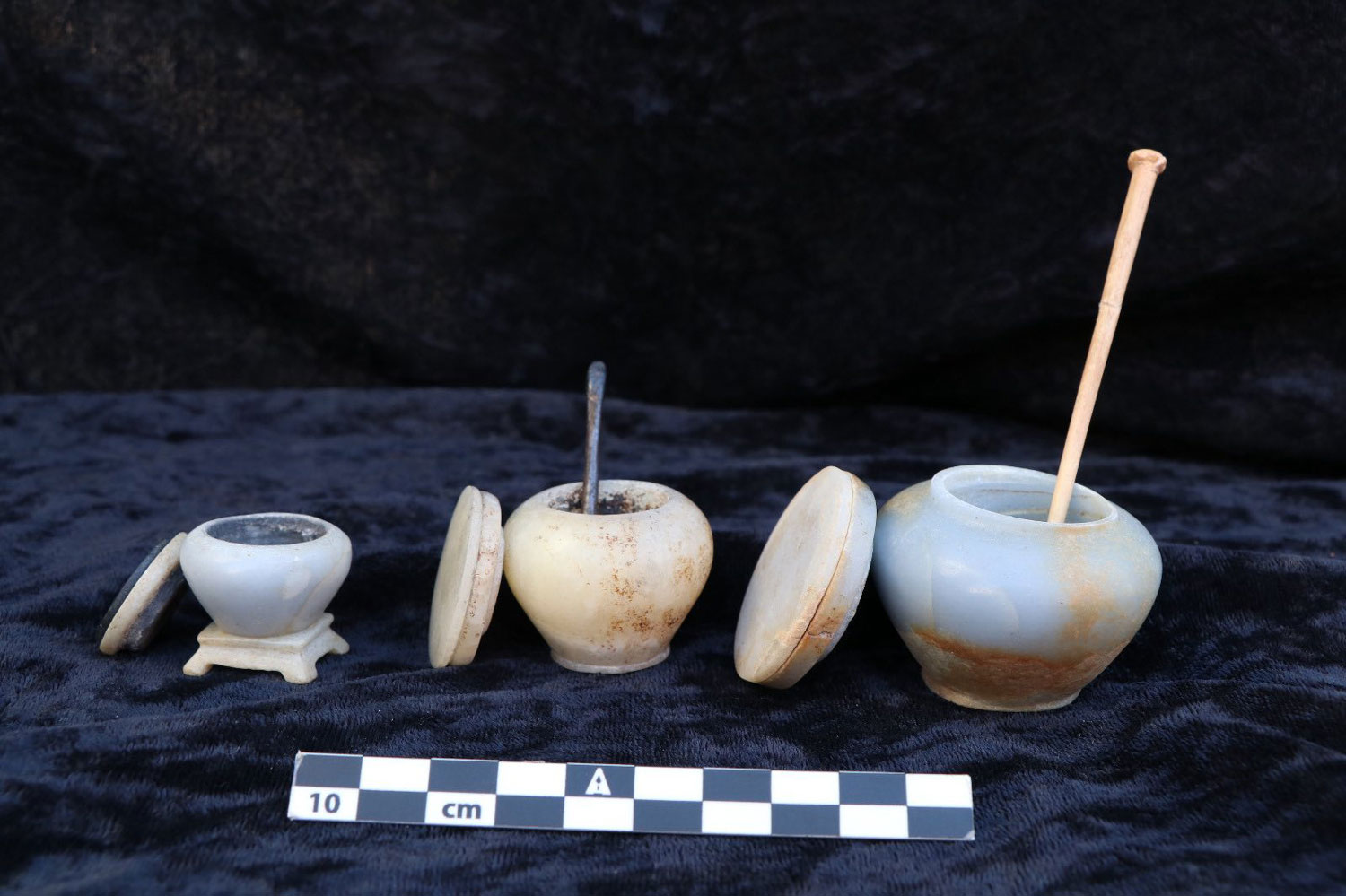
In the courtyard area of the necropolis, archaeologists recovered a range of personal and ritual objects that paint a vivid picture of life — and death — in Old Kingdom society. Bronze mirrors, likely symbols of status and personal grooming, suggest attention to appearance even in preparation for the afterlife. Delicately crafted alabaster kohl containers point to the importance of cosmetics, not merely for beauty but also for ritual and protective purposes. Kohl was believed to guard against illness and ward off harmful spirits.
Amulets found at the site add another layer of meaning. These small objects, often carved in symbolic shapes, were placed with the dead to provide spiritual protection and guidance in the journey beyond this world. Their presence reinforces how deeply intertwined religion and daily life were in Old Kingdom Egypt.
 Aswan itself played a vital role in ancient Egypt’s economy and infrastructure. Located near vital trade routes and granite quarries that supplied material for royal monuments, it was a strategic and prosperous region. The newly discovered tombs suggest that high-status individuals connected to this economic network were buried here, possibly administrators, officials, or members of influential families.
Each artifact recovered from the necropolis offers a fragment of a larger story — one of belief, power, artistry, and identity more than four millennia ago. As excavation and analysis continue, scholars hope the hieratic inscriptions will provide names and titles that anchor these discoveries to specific individuals.
In the shadow of Egypt’s most iconic pyramids, Aswan’s rock-cut tombs are quietly revealing that even far from the royal capital, the grandeur and complexity of the Old Kingdom extended deep into the Nile Valley.