130,000 Years Too Early? The Cerutti Mastodon Discovery That Could Rewrite America’s Human Story
- SaoMai
- March 2, 2026
What if humans reached North America more than 100,000 years earlier than we’ve been taught?
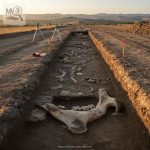
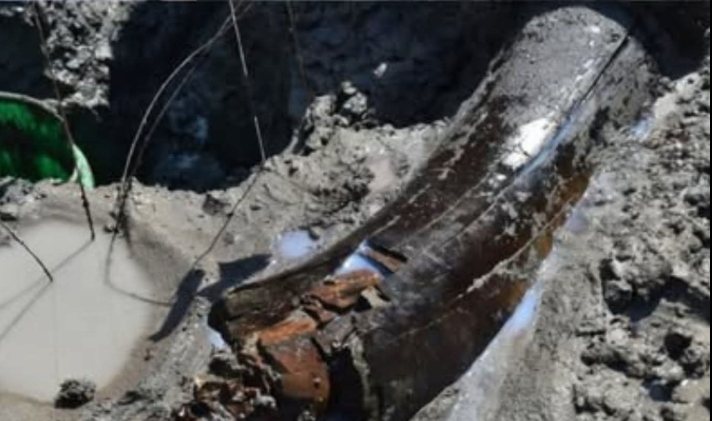
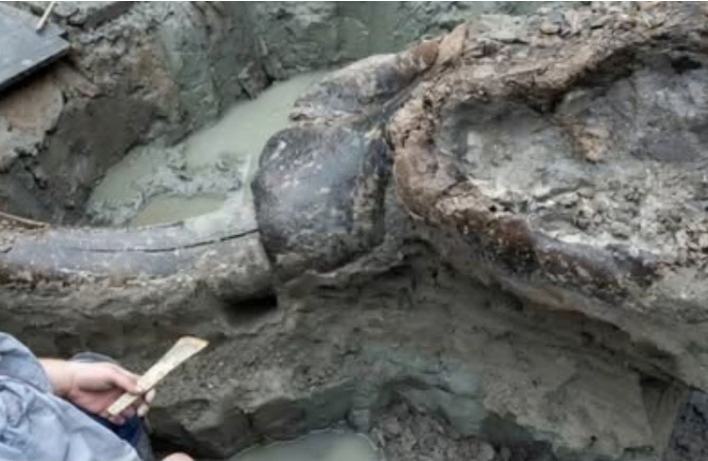
That’s the explosive question surrounding the Cerutti Mastodon site, uncovered by road crews in San Diego. Beneath layers of sediment, scientists found the remains of a mastodon — but it wasn’t just the Ice Age animal that stunned researchers. It was what appeared to have been done to it.
The mastodon bones showed clear signs of deliberate breakage. Large limb bones were fractured in ways consistent with marrow extraction — a high-calorie resource prized by early humans. Nearby, heavy cobbles were discovered bearing pitting and impact marks, suggesting they had been used as hammerstones and anvils. The pattern of breakage, the placement of stones, and the absence of natural crushing forces all point, according to the original research team, toward purposeful butchery. 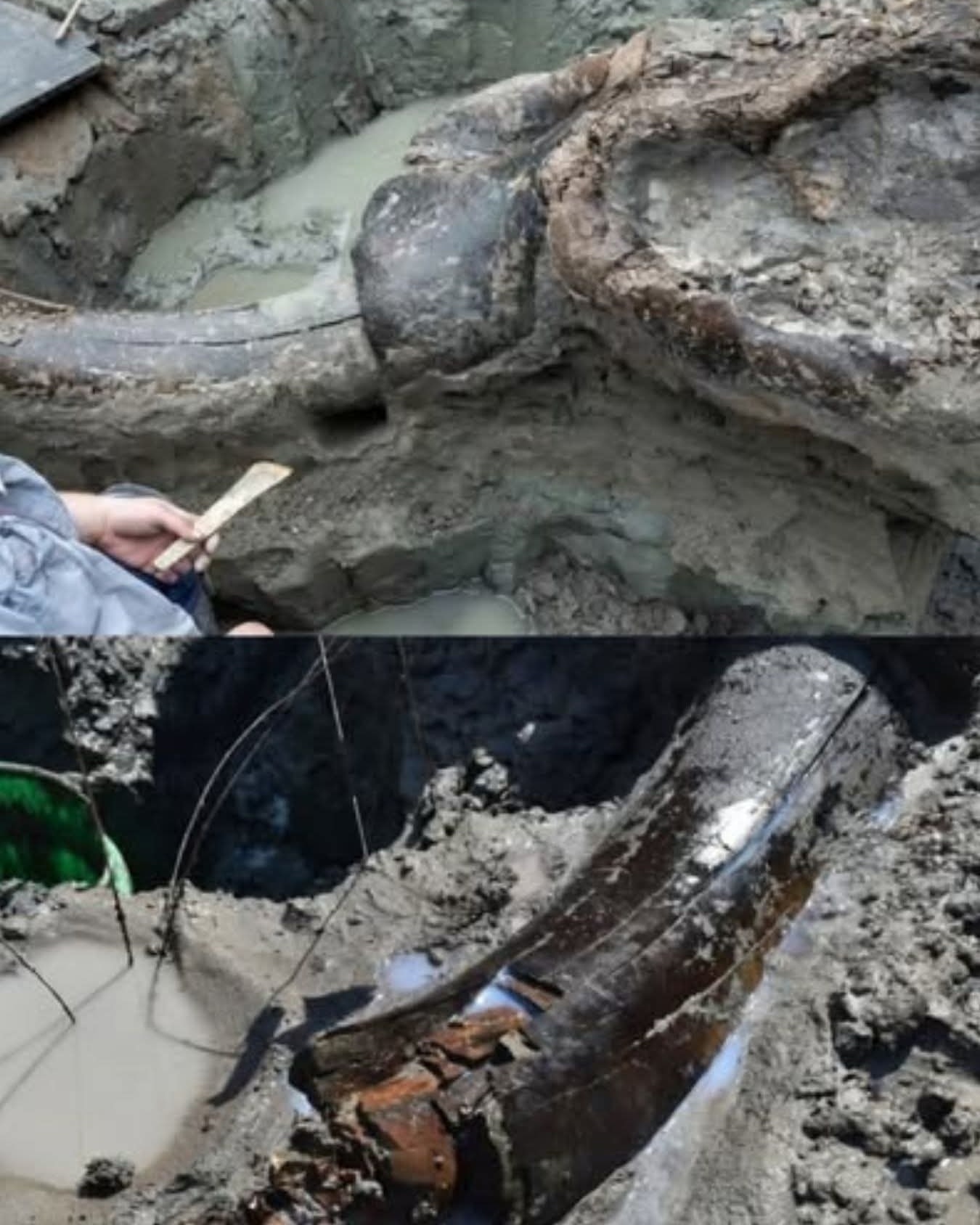 Then came the dating. Using uranium-series methods, scientists estimated the site to be approximately 130,000 years old. That timeline is staggering. The long-accepted arrival of humans in North America is generally placed around 15,000 to 20,000 years ago, associated with late Ice Age migrations. A 130,000-year-old human presence would push that date back more than 100,000 years — into a time when even the question of who those “humans” were becomes complicated.
If the interpretation holds, the tool users at Cerutti may not have been modern Homo sapiens at all. They could have been an earlier human lineage — perhaps relatives such as Neanderthals or Denisovans — though no direct fossil evidence of such groups has yet been found in the Americas from that period.
Unsurprisingly, the claim has sparked intense debate. Many archaeologists argue that natural processes — sediment pressure, geological movement, or even construction equipment — could explain the bone fractures and stone damage. Others counter that the fracture patterns and stone wear are difficult to attribute to random forces.
 The implications are enormous. If verified, the Cerutti site would upend decades of archaeological consensus and force a radical rethink of early human dispersal. It would suggest that human ancestors were far more mobile, adaptable, and exploratory than previously imagined.
For now, the site remains both groundbreaking and controversial — a reminder that science evolves through challenge and scrutiny. Beneath the asphalt of modern California, ancient questions lie buried. And sometimes, the stones speak.