The Ethiopian Bible: The World’s Oldest Living Christian Scripture That Defies History
- SaoMai
- March 2, 2026
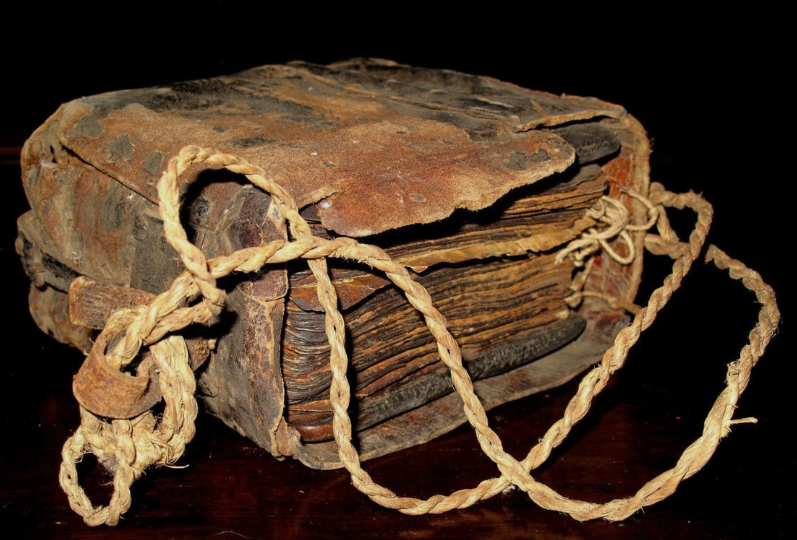
Long before the printing presses of Europe standardized Christian scripture, the Ethiopian Bible was already flourishing in Africa — written on goatskin parchment, preserved in the ancient language of Ge’ez, and safeguarded by a faith tradition that developed largely beyond Western influence. Often regarded as the oldest and most complete Christian Bible still in use today, it stands as a powerful reminder that Christianity’s story is far more global than many realize.
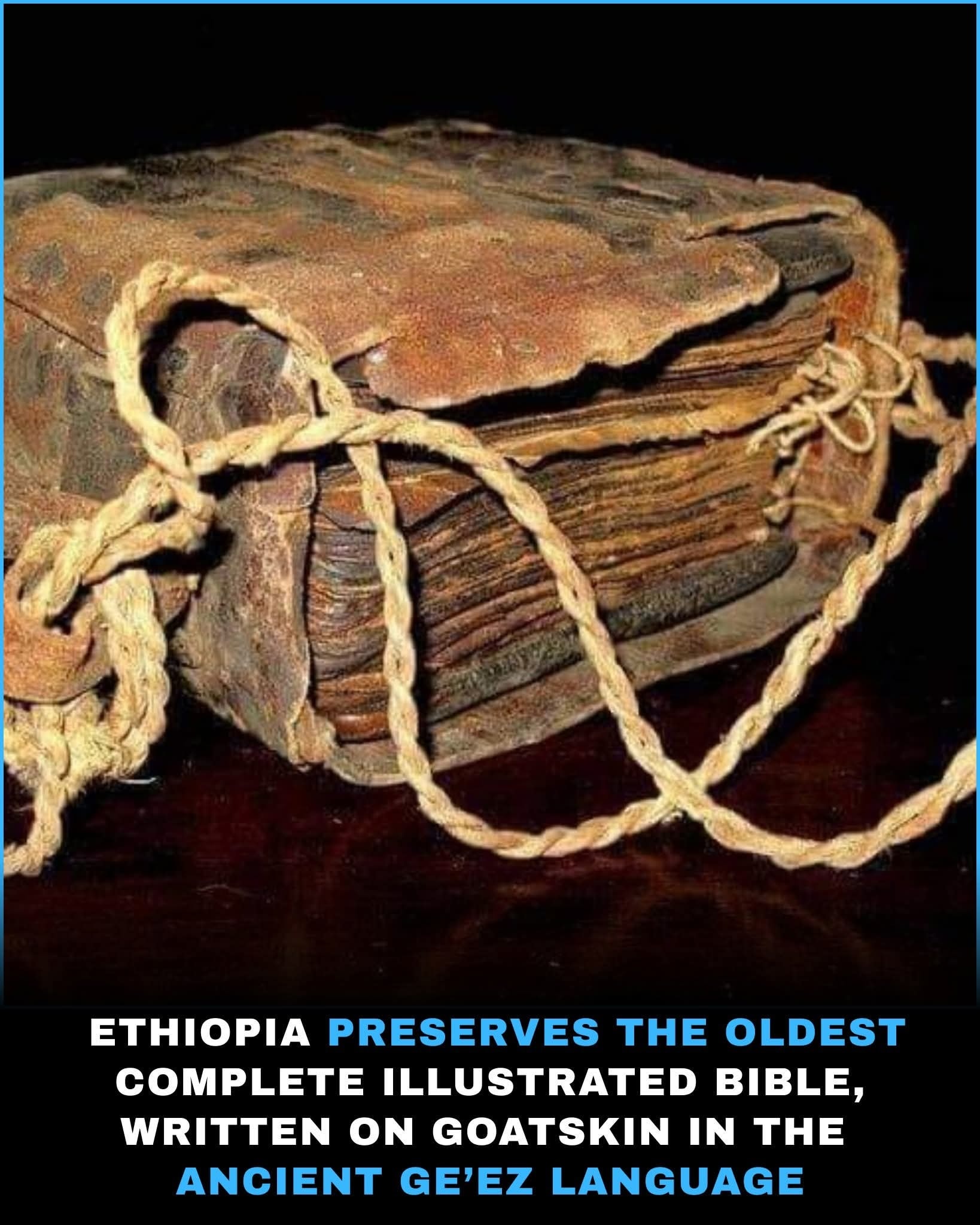 Christianity reached Ethiopia in the 4th century during the Kingdom of Aksum, and from that moment, it evolved along its own path through the Ethiopian Orthodox Tewahedo Church, one of the world’s oldest Christian communities. Unlike biblical traditions shaped by European councils and later revisions, Ethiopia preserved a broader canon — maintaining sacred texts that disappeared elsewhere.
Among its most fascinating features is its expanded collection of books. In addition to the familiar Old and New Testament writings, the Ethiopian Bible includes works such as 1 Enoch, Jubilees, and the Meqabyan books — texts that were excluded from most Western Bibles but survived in Ethiopia’s sacred tradition. These writings offer rare insight into early Jewish and Christian thought, making the Ethiopian canon uniquely rich and historically invaluable.
But its significance is not only textual — it is visual. The Ethiopian manuscript tradition is considered one of the earliest continuous examples of illustrated Christian scripture. The legendary Garima Gospels, dating back more than 1,300 years, feature vivid colors, striking geometric designs, and symbolic portraits of the Evangelists. These are not mere decorations; they are theological art woven directly into the sacred word.
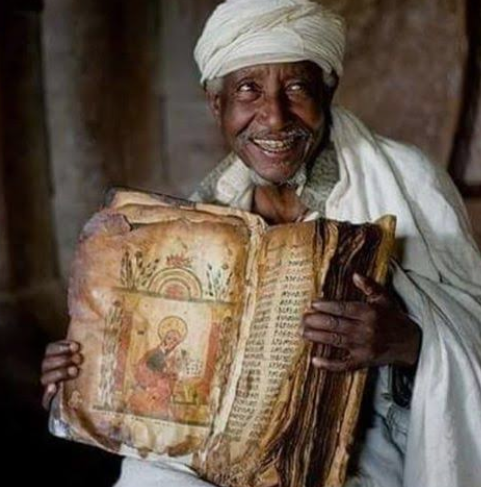 Perhaps most extraordinary of all, the Ethiopian Bible is not a relic frozen in history. It is still read, still chanted, and still revered in Ge’ez during worship services today. While many ancient manuscripts sit behind museum glass, this scripture remains alive in daily religious life — a continuous thread connecting modern believers to a tradition that stretches back over a millennium.
The Ethiopian Bible challenges common assumptions about where Christianity’s intellectual and artistic heritage resides. It proves that Africa was not a peripheral participant in early Christian history, but a vibrant center of faith, scholarship, and sacred creativity. More than an ancient book, it is a living monument — a testament to a civilization that preserved its spiritual identity across centuries of change.