Lost Heart of Memphis? Temple Ruins and Headless Sphinxes Unearthed at Tel Aziz
- SaoMai
- March 2, 2026
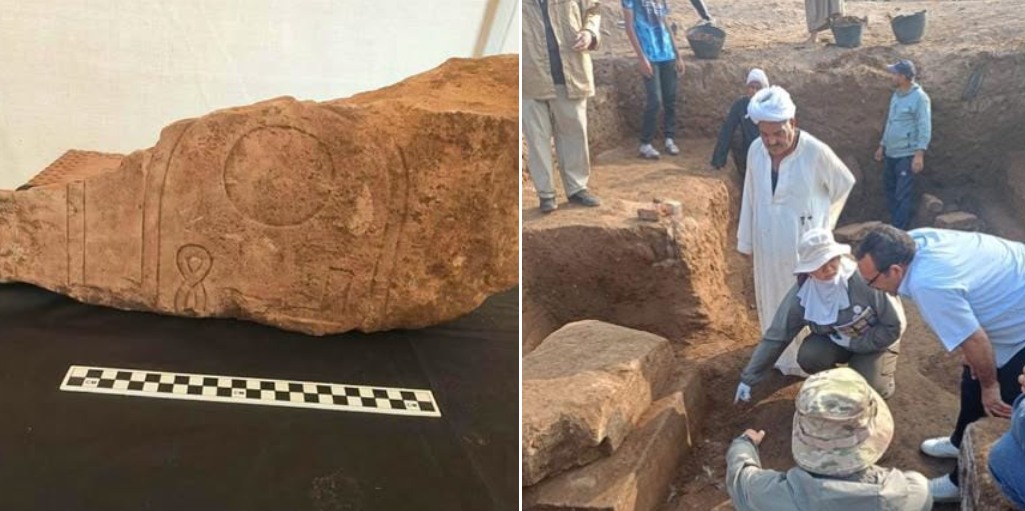
Exciting discoveries are emerging from the sands of Memphis, where archaeologists are investigating Tel Aziz — a mound long believed to mark the ancient city’s central district. Once the glittering capital of early dynasties and a religious powerhouse for millennia, Memphis still guards many of its secrets beneath layers of earth and time. Now, new finds are beginning to illuminate what may have been its sacred core.
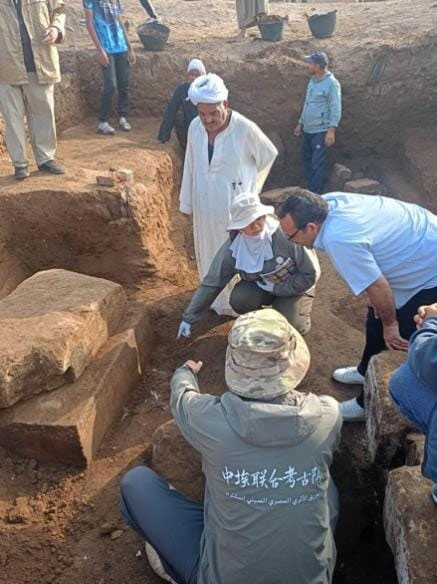
At the center of the recent excavations is a substantial limestone structure that researchers believe could have formed part of a temple complex. Its masonry and layout suggest an official, possibly ceremonial function rather than a domestic one. The most dramatic discoveries nearby are five headless sphinx statues — enigmatic guardians carved in stone, their missing heads raising immediate questions. Were they deliberately defaced in antiquity? Damaged during later invasions? Or broken as part of ritual change? The answers remain under investigation.
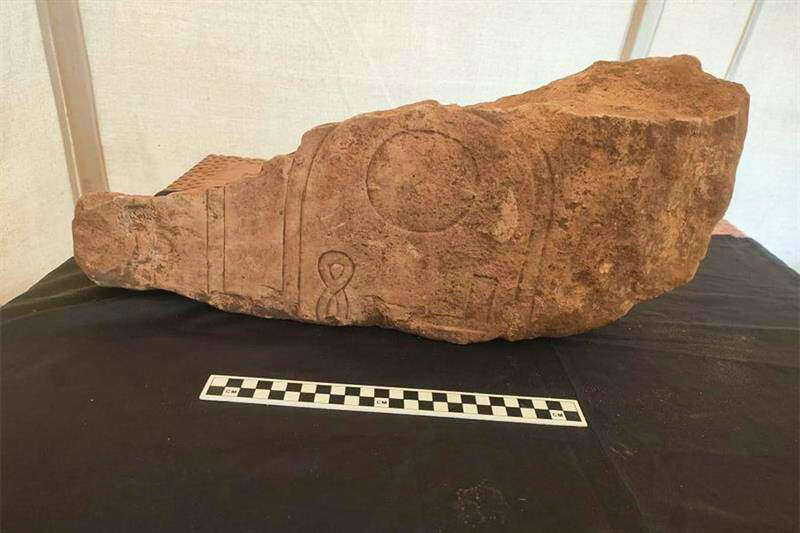 Even more revealing are stone blocks bearing hieroglyphic inscriptions dedicated to Ptah, the powerful creator deity and patron of craftsmen who was especially revered in Memphis. Ptah’s temple, known in ancient times as Hut-ka-Ptah, was one of Egypt’s most significant religious centers. In fact, some scholars believe the very name “Egypt” may ultimately derive from this temple’s Greek rendering. If Tel Aziz proves to be connected to Ptah’s cult center, the implications would be enormous for understanding Memphis’s urban and religious layout.
Alongside monumental remains, archaeologists uncovered everyday artifacts that bring the ancient city to life: fragments of pottery, delicate glass vessels, and copper coins. These finds hint at active trade, craftsmanship, and economic exchange. The presence of glassware suggests connections to advanced manufacturing techniques, while the coins may help date phases of occupation and provide clues about political transitions in the region.
 Memphis, located near modern-day Mit Rahina south of Cairo, was founded around 3100 BCE and served as Egypt’s capital during the Old Kingdom. For centuries, it functioned as both administrative center and spiritual heart. Yet much of the city remains buried, overshadowed by the more visible monuments of nearby Saqqara and Giza.
The work at Tel Aziz could reshape our understanding of Memphis’s internal structure — identifying its ceremonial core and clarifying how religious, political, and economic life intersected in one of the ancient world’s greatest cities.
With each stone block and shattered statue lifted from the soil, Memphis speaks again. And as excavations continue, archaeologists move closer to uncovering the true heart of a city that once stood at the center of Egyptian civilization.