When Farmers Met Foragers: A 7,000-Year-Old Cultural Encounter in Germany
- SaoMai
- March 2, 2026
What happens when two completely different ways of life collide? Around 7,000 years ago, that question became reality in what is now Germany, when early Neolithic farmers from Anatolia moved into lands long inhabited by European hunter-gatherers.
These incoming agriculturalists were part of a broader migration that carried domesticated crops, livestock, pottery traditions, and permanent settlement patterns deep into Central Europe. Archaeologists often associate them with the Linearbandkeramik (LBK) culture — communities known for their longhouses and farming expertise. For decades, the dominant narrative suggested that farmers largely replaced or displaced local foragers. But recent discoveries are complicating that story in fascinating ways.
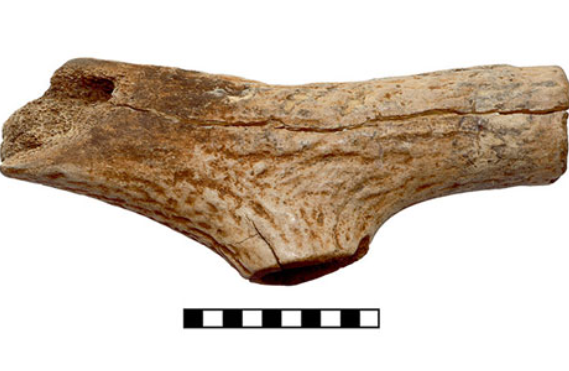
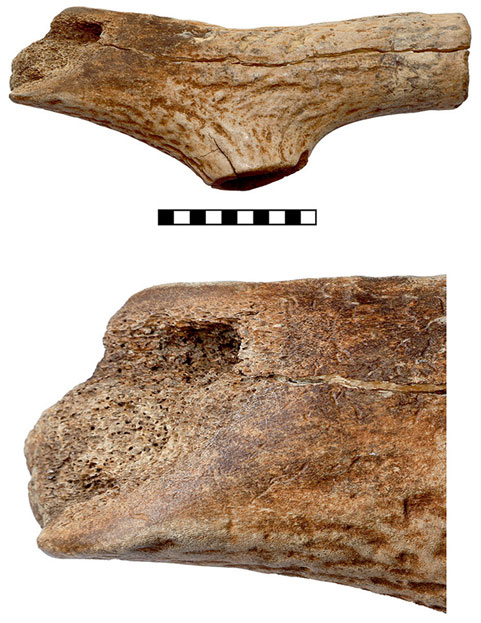
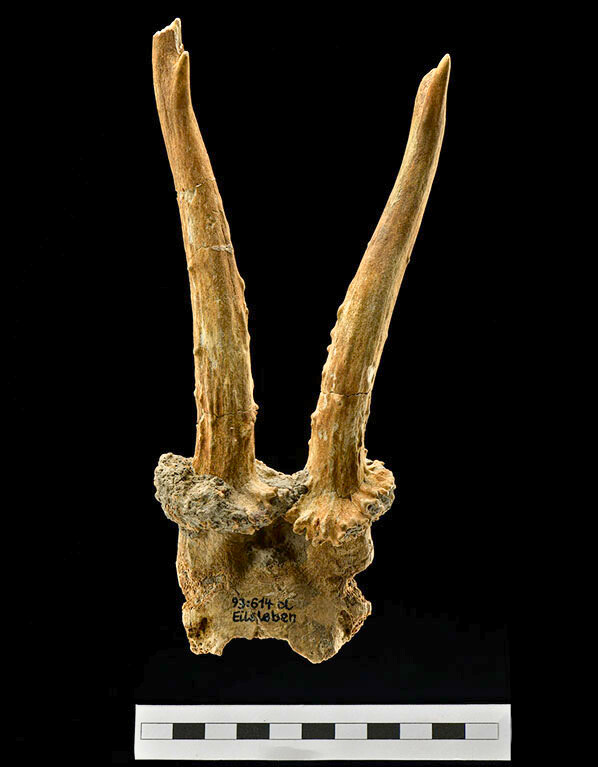 At one settlement site in Germany, researchers uncovered objects that didn’t fit neatly into the expected farming toolkit. Among them were antler tools — more typical of mobile hunter-gatherer technology — and even a deer-skull headdress, an artifact strongly associated with ritual or symbolic practices among foraging groups across prehistoric Europe.
The presence of these items in a farming settlement surprised archaeologists. Were they trade goods? Personal possessions brought by hunter-gatherers who joined the farming community? Or evidence that the farmers themselves adopted local traditions?
The deer-skull headdress is particularly intriguing. Such objects are often interpreted as ritual attire, possibly used in ceremonies linked to hunting magic, identity, or spiritual transformation. Its appearance in a Neolithic farming context suggests more than casual contact. It hints at cultural blending — shared ideas, exchanged beliefs, and technological borrowing.
 Genetic studies across Europe have already shown that early farmers and indigenous hunter-gatherers did not exist in isolation. Over time, they intermarried. Their descendants carried mixed ancestry. Now archaeology is adding behavioral evidence to the picture: tools, symbols, and traditions crossing social boundaries.
For the hunter-gatherers, the arrival of farming must have been revolutionary. Fields replaced forests. Permanent houses altered mobility patterns. Domesticated animals changed subsistence strategies. But instead of a simple replacement story, the evidence increasingly suggests interaction — perhaps even cooperation.
Did farmers learn local hunting techniques from foragers? Did hunter-gatherers adopt pottery or agricultural practices? The material culture hints that the boundary between “newcomer” and “resident” may have been more porous than once believed.
This site in Germany captures a pivotal moment in human history — when Europe’s last hunter-gatherers encountered the first wave of agricultural settlers. It was not just a technological shift, but a cultural negotiation. And buried in the soil are the quiet traces of that conversation: antler tools, ritual headdresses, and the beginnings of a shared future.