3,000-Year-Old Temple-Like Structure Discovered in Anatolia Near Göbekli Tepe
- ThanhThuong
- March 2, 2026
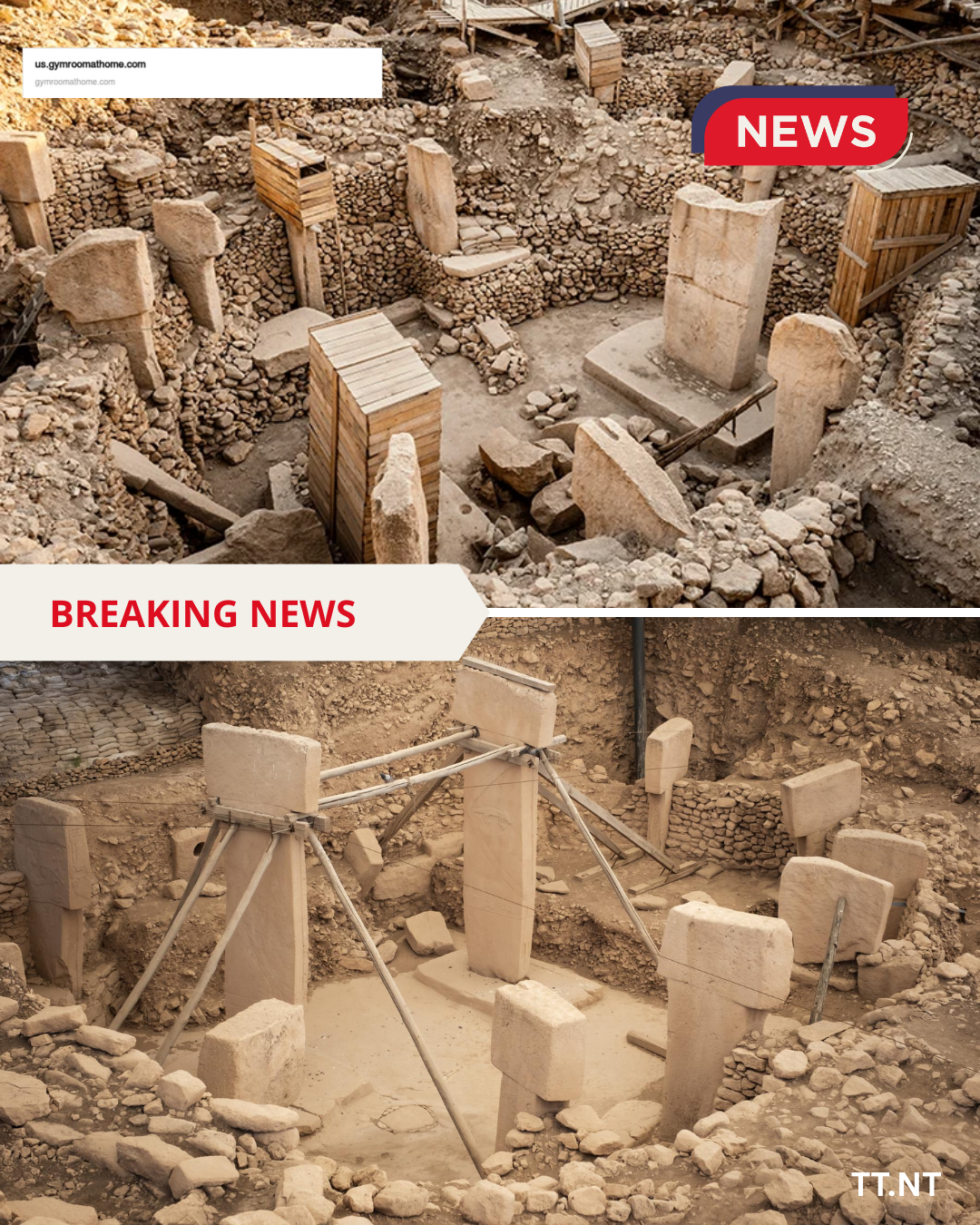
3,000-Year-Old Temple-Like Structure Discovered in Anatolia Near Göbekli Tepe
Archaeologists have announced the discovery of a structure believed to be a 3,000-year-old temple in the Anatolia region of southeastern Turkey, located near the famed archaeological site of Göbekli Tepe.
Preliminary findings suggest the structure dates back to the early first millennium BCE, a period marked by complex societies and evolving religious traditions in Anatolia. The building’s layout — including thick stone walls, a central ceremonial space, and carved architectural elements — has led researchers to interpret it as a possible place of worship.

Excavation teams uncovered fragments of stone reliefs and ritual objects, which may indicate the site’s religious significance. While Göbekli Tepe itself dates back more than 11,000 years and is considered one of the world’s oldest known temple complexes, the newly found structure appears to belong to a much later cultural phase.
Experts believe the proximity of the discovery to Göbekli Tepe could point to a long-standing sacred landscape, where successive civilizations continued to build ceremonial sites over thousands of years. Anatolia has long been regarded as a crossroads of ancient cultures, linking Mesopotamia, the Levant, and the Mediterranean world.

Further analysis, including radiocarbon dating and comparative architectural study, is underway to confirm the age and function of the structure. If verified as a temple, the discovery would provide valuable insight into religious continuity and transformation in one of humanity’s earliest centers of civilization.