Unearthed from the Ice Age: A Michigan Farmer’s Mammoth Discovery
- SaoMai
- March 2, 2026
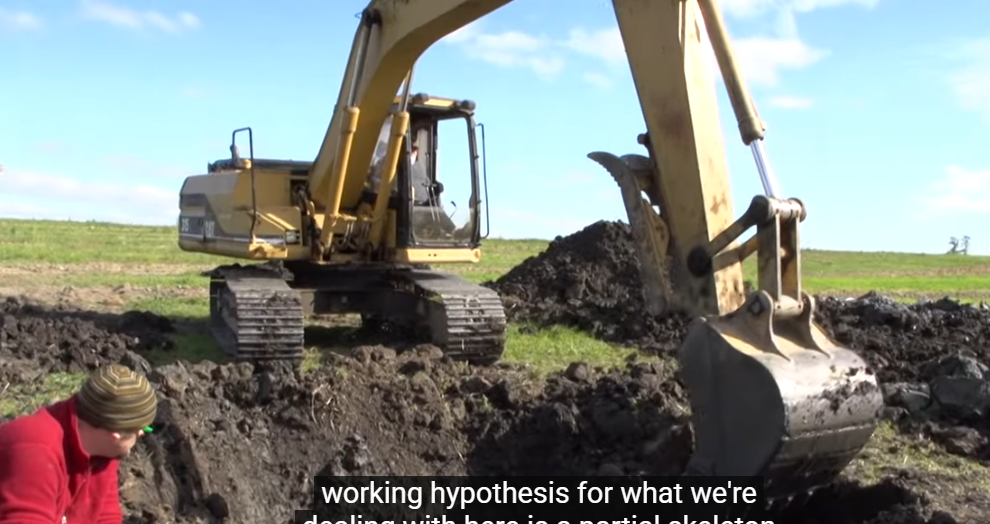
In October 2015, what began as a routine day of farm work near Chelsea turned into one of the most remarkable prehistoric discoveries in the state’s history. Farmer James Bristle and a neighbor were digging a drainage trench in a wheat field when their equipment struck something massive nearly eight feet below the surface. At first, they assumed it was an old tree trunk buried long ago. But as more of the object emerged from the soil, its size and texture told a different story—it was bone, and not just any bone.
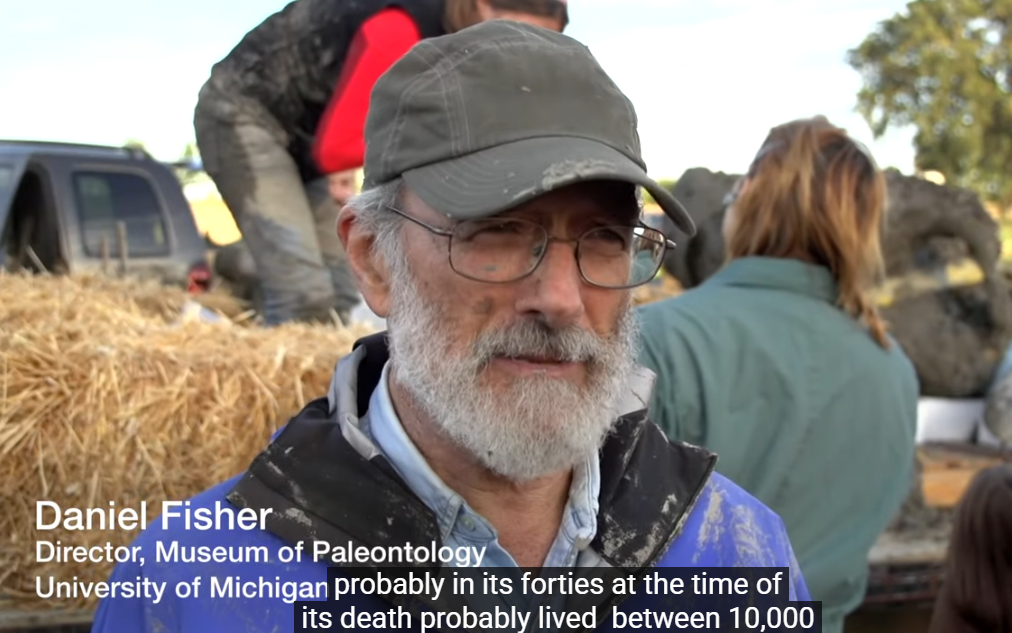
Unsure of the significance of the find, Bristle reached out to the University of Michigan Museum of Paleontology. That call set off a rapid response. Professor Daniel Fisher, a leading expert on Ice Age mammals, quickly assembled a team of students and colleagues. With harvest season looming and time limited, the excavation had to be completed in a single intense day.
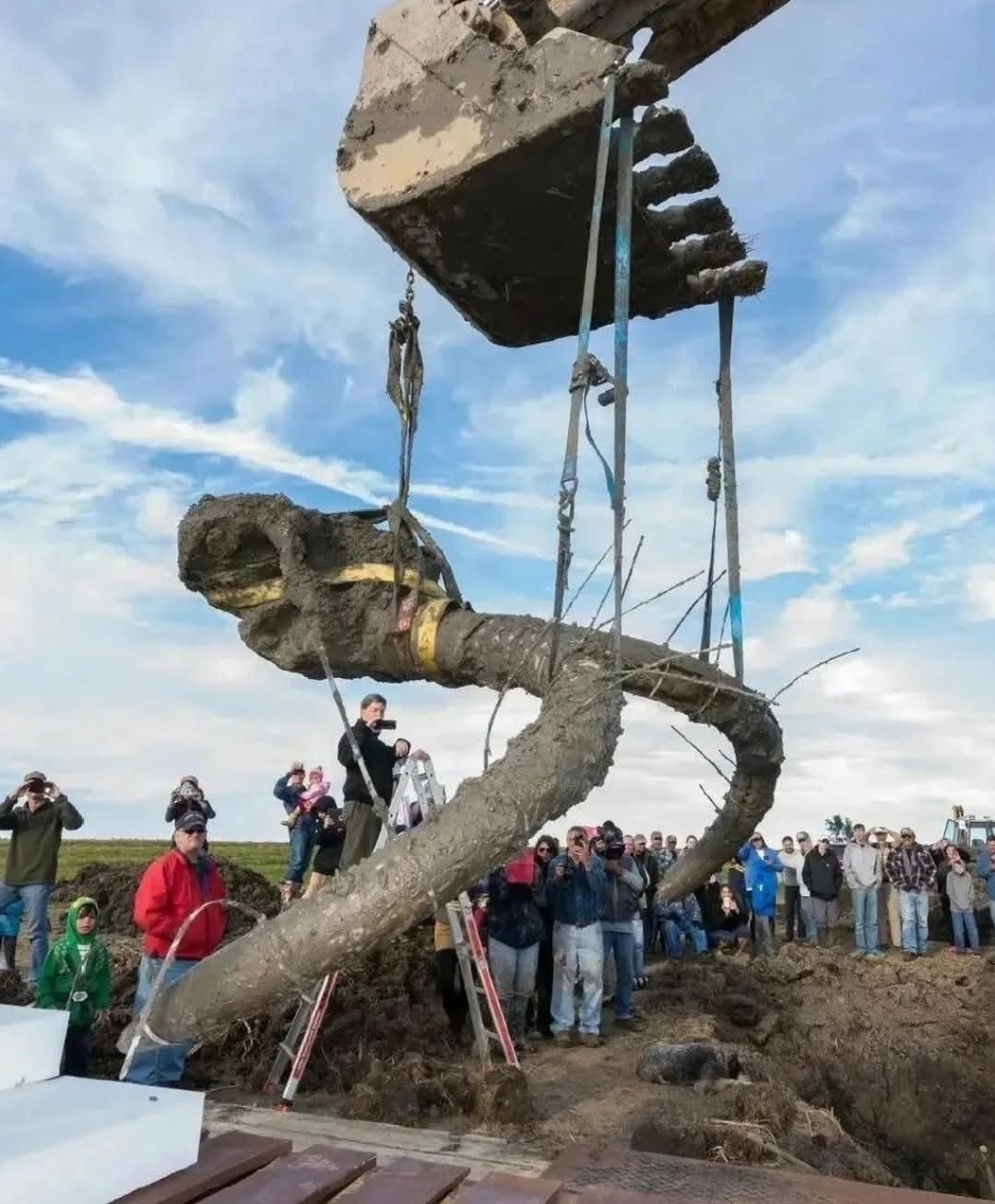 At dawn, paleontologists began digging a ten-foot-deep pit. It did not take long to confirm the extraordinary truth: the remains belonged to a mammoth. Roughly twenty percent of the skeleton was recovered, including the skull, sweeping tusks, ribs, pelvis, and vertebrae. The sheer scale of the bones required heavy machinery and careful coordination, with zip lines and lifting equipment used to extract the fragile remains without damage.
Mammoths disappeared from North America around 11,700 years ago, at the close of the last Ice Age. In Michigan, such discoveries are rare, making this find especially significant. Fisher identified the animal as a Jeffersonian mammoth, a hybrid species that shared characteristics of both woolly and Columbian mammoths. Based on the size and condition of the bones, he estimated it was an adult male in its forties at the time of death.
 Intriguingly, evidence near the bones suggested possible human involvement. Marks and the arrangement of remains indicated the animal may have been butchered, with portions stored in what could have been a prehistoric pond for preservation. If confirmed, this would offer powerful insight into early human activity in the Great Lakes region.
Rather than keeping the discovery private, Bristle donated the remains for scientific study. His decision transformed a surprising moment in a wheat field into a window onto Ice Age life—revealing not only a colossal creature from the distant past, but also the people who may have hunted it thousands of years ago.