Picture standing in the windswept expanse of the South Dakota Badlands and realizing that just beneath your boots lies a creature that walked the Earth 66 million years ago. That breathtaking moment became reality when a massive Triceratops prorsus skull was uncovered in the rugged terrain of the South Dakota Badlands, transforming a routine student field trip into one of the most exciting dinosaur discoveries in recent years.
The story began in 2019 at the Grand River National Grassland, when a local rancher repairing a fence noticed something unusual protruding from the ground — the tip of a fossilized bone. Authorities were alerted, and soon the site came to the attention of paleontologist David Schmidt from Westminster College, who happened to be leading an undergraduate fossil expedition nearby.
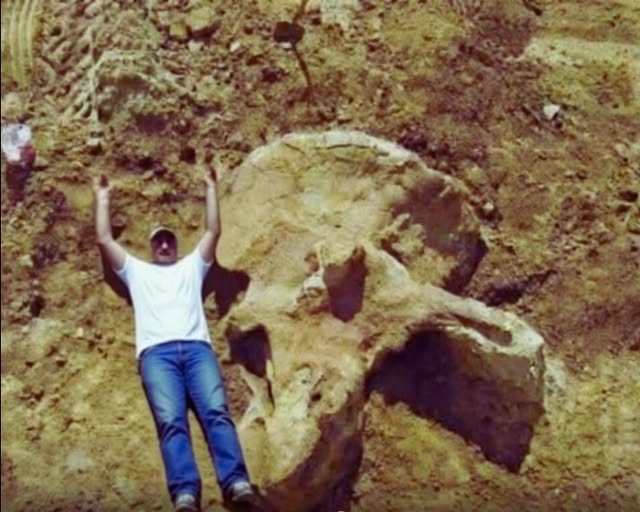 After securing the necessary permits, Schmidt and his students returned the following summer to begin a careful excavation.
What followed was two months of intense, meticulous digging through layers of soft sandstone under the relentless prairie sun. Slowly, an astonishing form began to emerge: a seven-foot-long skull weighing approximately 3,000 pounds. The students affectionately nicknamed the specimen “Shady,” inspired by the nearby community of Shadehill. But Shady was far more than a catchy nickname — it was an exceptionally large and remarkably complete skull from one of the last surviving non-avian dinosaur species before the mass extinction event that ended the Cretaceous Period.
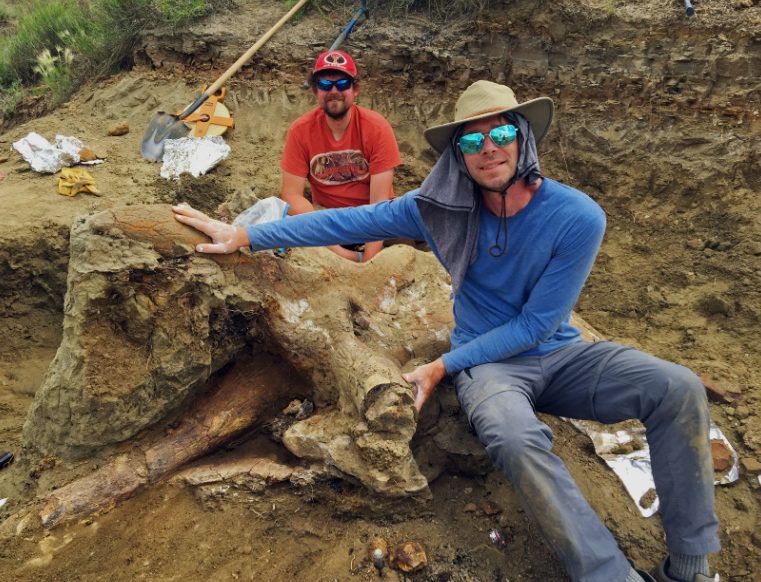 The skull alone is a marvel. Triceratops are famous for their three facial horns and broad bony frill, and in this case, the proportions are staggering. In fact, a Triceratops skull can account for nearly one-third of the animal’s total body length — comparable in size to a small car. Such massive cranial structures likely played roles in defense, species recognition, and possibly even combat between rivals.
Excavations did not stop with the skull. In subsequent field seasons, the team uncovered more than 113 bones from the same individual, including the sacrum and key limb elements. These additional discoveries are gradually allowing researchers to reconstruct not just the skeleton, but also aspects of the dinosaur’s posture, movement, and possible cause of death.
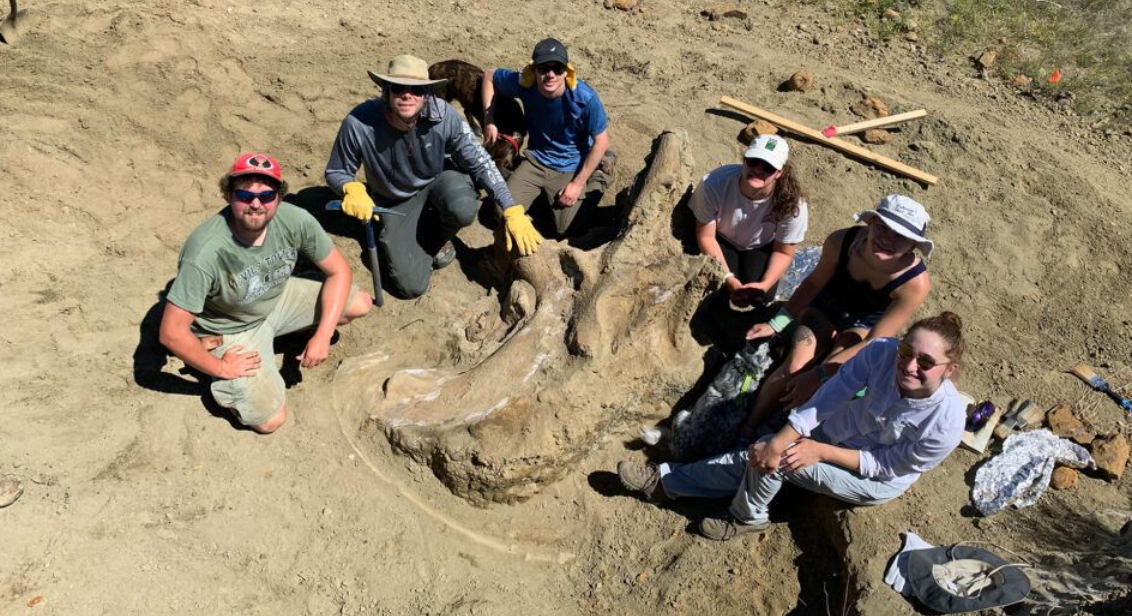 For the students involved, the experience has been transformative. From delicate fossil extraction to laboratory preparation, they have participated directly in expanding scientific knowledge. The ultimate goal is to fully prepare and display Shady for public viewing — a tangible bridge between modern observers and a world that vanished tens of millions of years ago.
Standing before such a fossil, it becomes impossible not to imagine the thunder of its footsteps across ancient plains — a reminder that beneath quiet grasslands, extraordinary stories still wait to be uncovered.