Elongated Skulls Discovered in Peru Spark Scientific Debate
Elongated Skulls Discovered in Peru Spark Scientific Debate
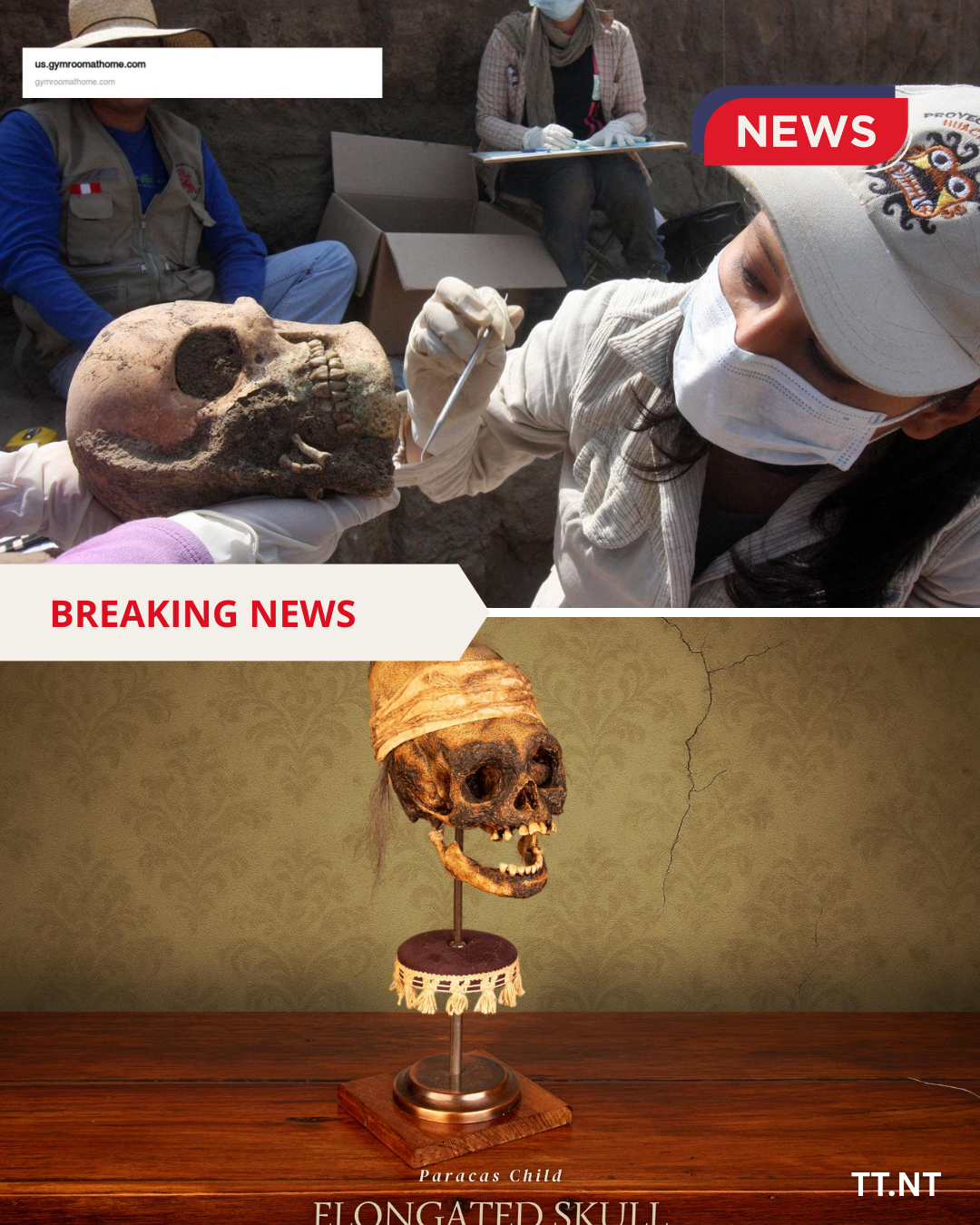
Archaeologists working at an excavation site in Peru have uncovered skeletal remains featuring unusually elongated skulls and enlarged eye sockets, reigniting debate within the scientific community.
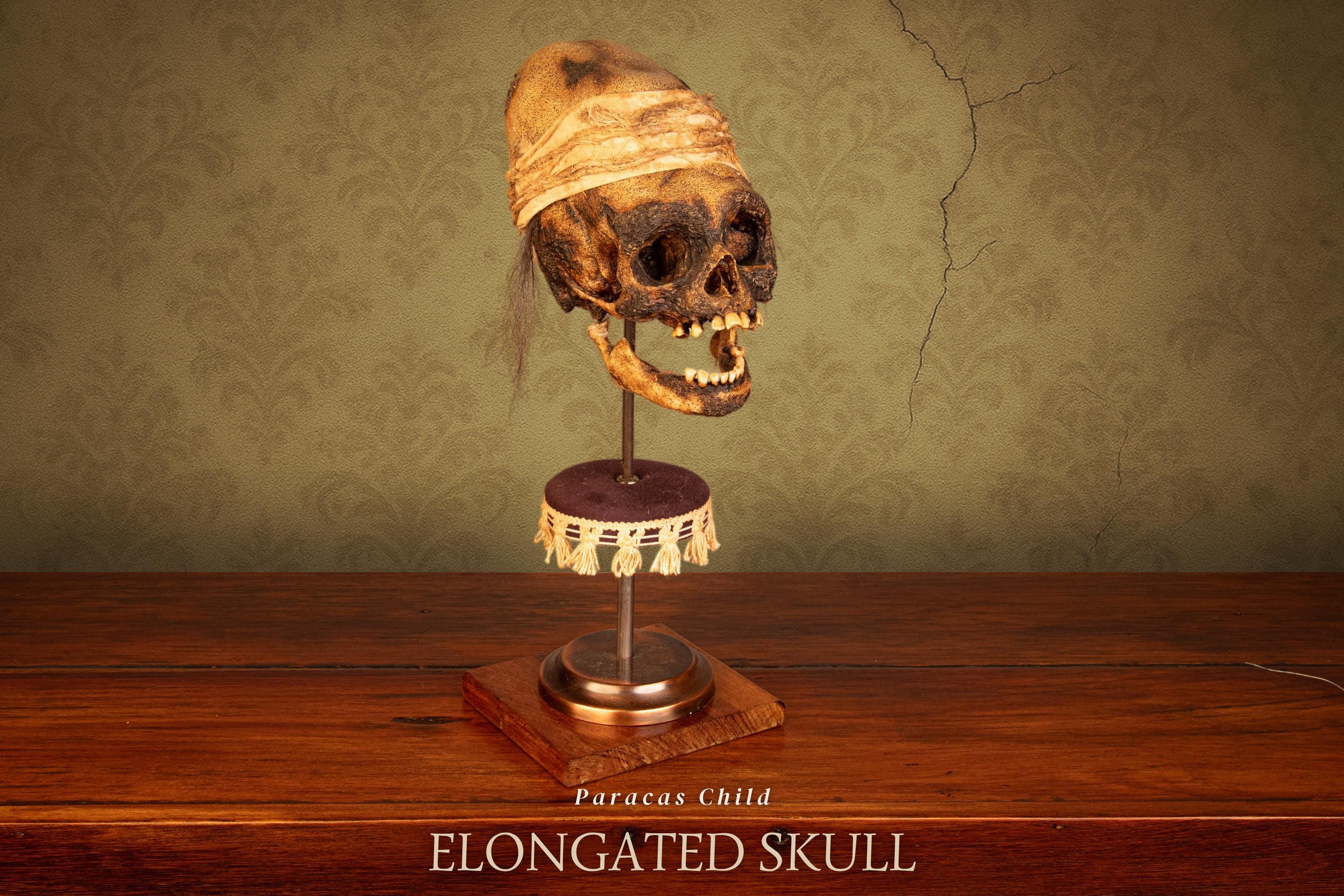
The remains were discovered in a burial context consistent with ancient coastal cultures of the region. Initial visual assessments highlight the pronounced cranial elongation, a feature that has previously been documented in parts of pre-Columbian South America.
Preliminary DNA analysis reportedly indicates genetic variations that do not immediately align with previously cataloged samples from nearby ancient populations. However, geneticists caution that degraded samples, contamination, and limited comparative databases can complicate early interpretations.
Many anthropologists point to well-documented cranial deformation practices — a cultural tradition in which infants’ skulls were intentionally shaped using bindings or boards — as the most likely explanation for the elongated appearance. Such practices were associated with social status, identity, or ritual significance in several ancient Andean societies.
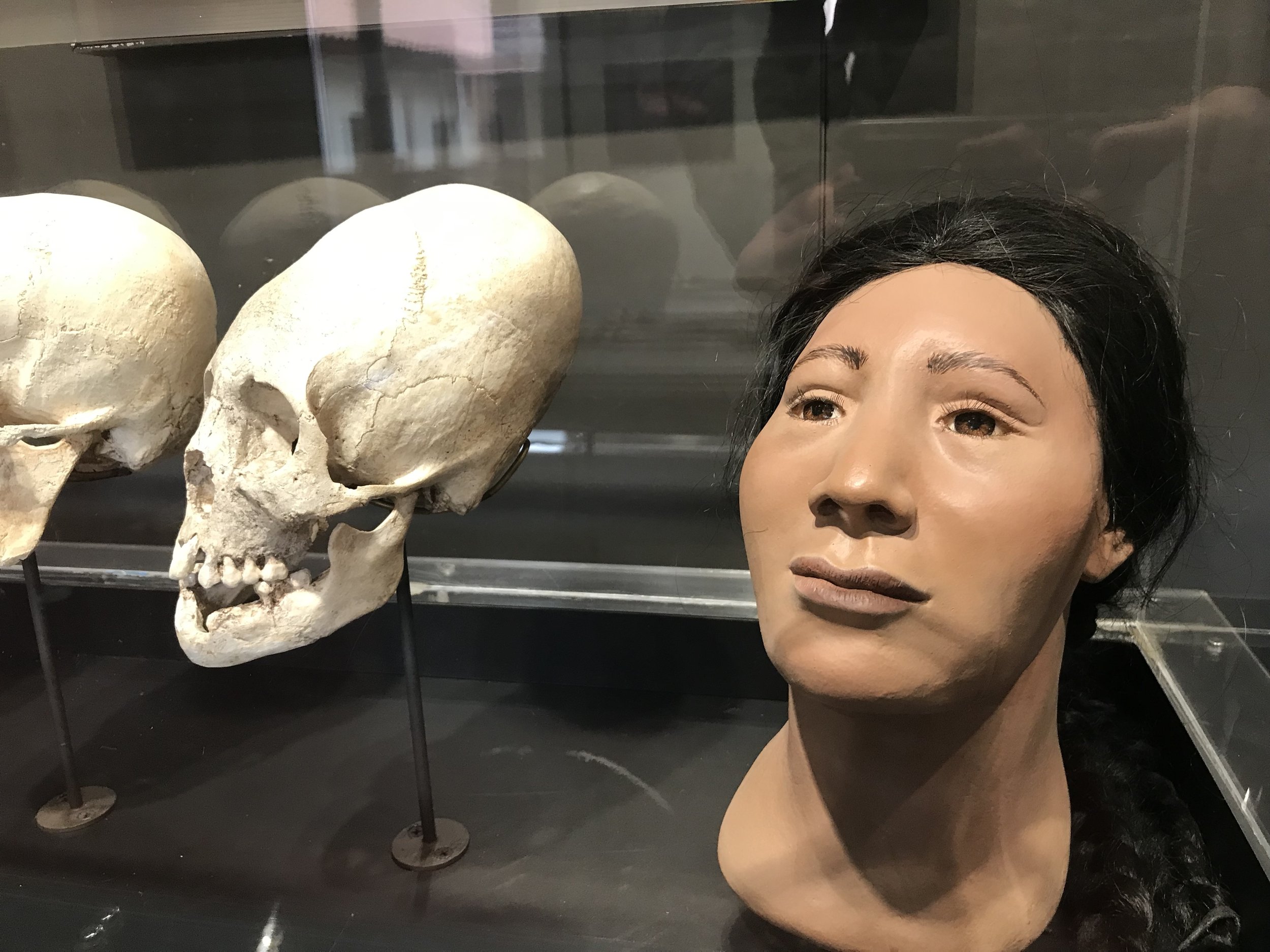
More speculative interpretations have surfaced online, suggesting extraordinary origins for the remains. Mainstream researchers strongly advise restraint, emphasizing that unusual morphology does not equate to non-human origin and that cultural practices offer historically grounded explanations.

Further genomic sequencing and isotopic testing are underway to determine ancestry, diet, and geographic mobility of the individuals.
Until peer-reviewed results are published, scientists stress that the findings should be approached with careful analysis rather than sensational conclusions.