Secrets Beneath the Sand: The 7,000-Year-Old Mummies of the Green Sahara
- SaoMai
- March 3, 2026
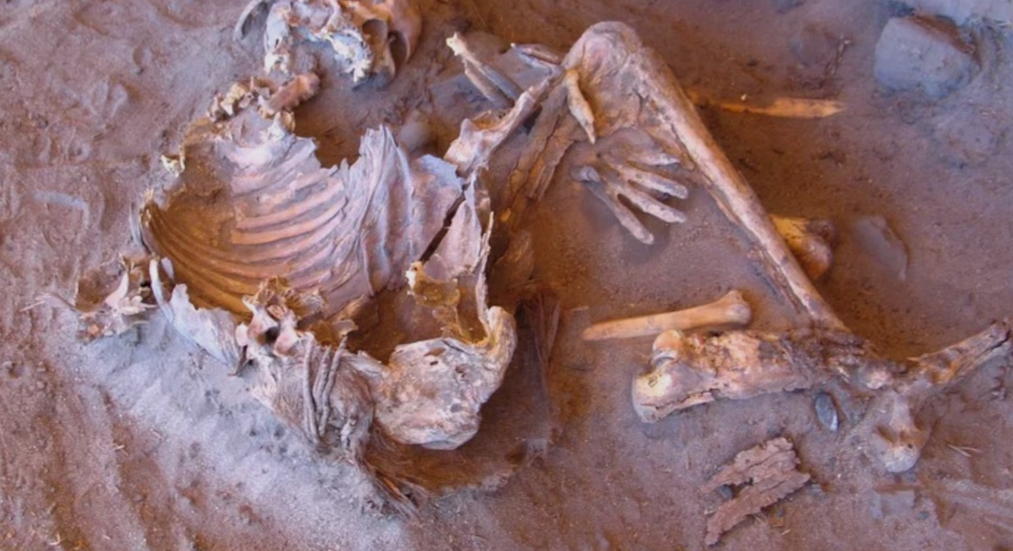
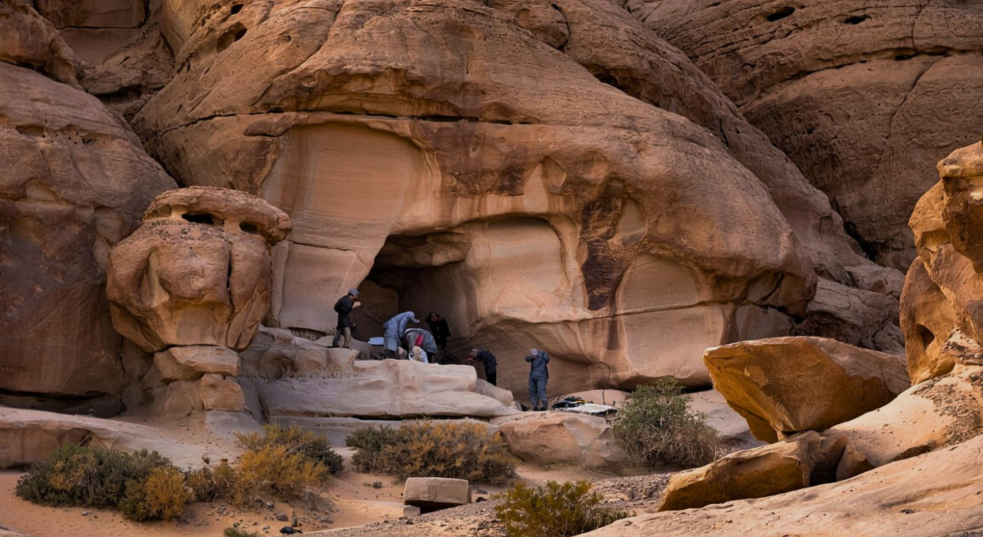
Deep within the vast silence of the Libyan desert, in a rocky shelter known as Takarkori Cave, archaeologists uncovered an extraordinary discovery — the naturally preserved remains of two individuals who lived more than 7,000 years ago. Today, the Sahara is an expanse of endless dunes, but when these people were alive, it was a dramatically different world: a landscape of grasslands, lakes, and roaming wildlife during what scientists call the African Humid Period.
The dry conditions of the cave acted as nature’s preservation chamber. Unlike artificially embalmed mummies of ancient civilizations, these individuals were naturally mummified by the arid environment. Their skin, tissues, and skeletal structures endured across seven millennia, creating a rare opportunity for modern researchers to study both their physical remains and, crucially, their ancient DNA.
 Genetic analysis revealed something remarkable. The DNA extracted from the mummies does not closely match any population living today. Instead, it points to a long-lost lineage of North Africans — descendants of early hunter-gatherer groups who inhabited the region when it was fertile and green. While they shared distant connections with other ancient African populations, their genetic signature was distinct, representing a branch of humanity that gradually faded as climates shifted and migrations reshaped the continent.
This discovery does not point to anything mysterious or non-human. Rather, it underscores the complexity of our species’ past. Human history is not a straight line but a branching network of populations that moved, adapted, merged, and sometimes disappeared. 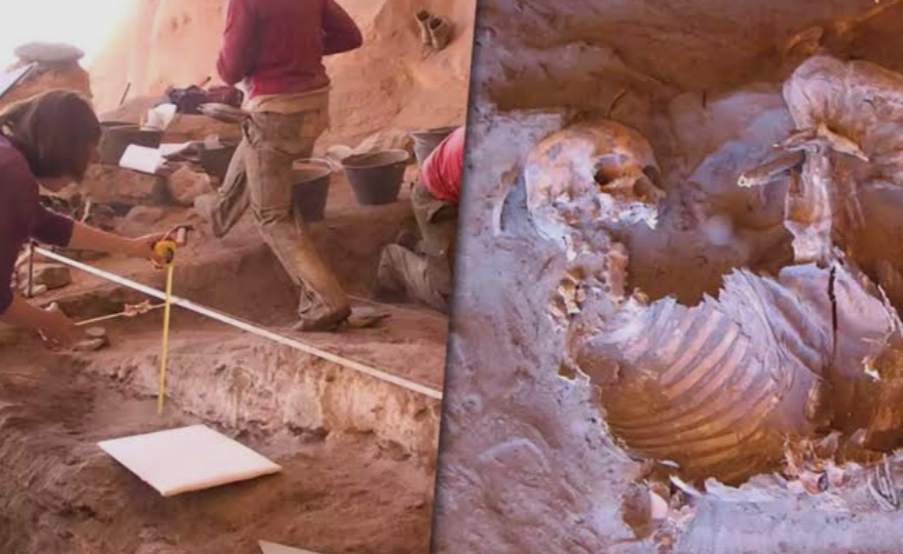 As the Sahara slowly transformed from savanna to desert, communities were forced to migrate toward more hospitable regions, blending with other groups or vanishing entirely. Over thousands of years, unique genetic identities like that of the Takarkori individuals were diluted or lost.
Findings like these are invaluable because ancient DNA acts like a time capsule. It allows scientists to trace patterns of adaptation, mobility, and survival. How did these early Saharan inhabitants respond to climate change? What technologies and lifestyles allowed them to thrive in a once-lush environment? Each genetic fragment helps answer those questions.
 Perhaps most profoundly, the Takarkori mummies remind us that much of humanity’s story remains hidden beneath sand, soil, and stone. Entire populations once lived full lives — hunting, gathering, raising families — only to become silent chapters in our shared ancestry. With every new discovery, we gain a clearer view of our deep roots and a deeper appreciation for how interconnected — and ever-changing — the human journey truly is.