Skara Brae: Scotland’s 5,000-Year-Old Village Frozen in Time
- SaoMai
- March 3, 2026
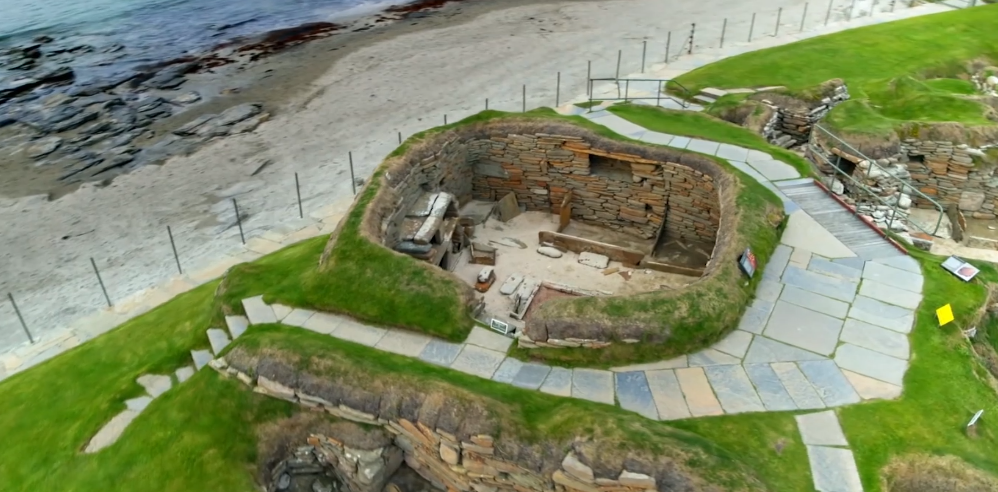
In the winter of 1850, a fierce storm lashed the windswept shores of Orkney Islands. As powerful winds tore across the coastline, they stripped away layers of sand and soil from a large mound known locally as Skerrabra. When the storm cleared, something astonishing lay exposed: the stone outlines of an ancient village that had been hidden for millennia.
The site would soon be known as Skara Brae—today recognized as one of Europe’s most extraordinary prehistoric settlements. Dating to around 3,200 BCE, this Neolithic village is older than the pyramids of Egypt and Stonehenge. Its remarkable state of preservation has earned it the nickname “Scotland’s Pompeii.”
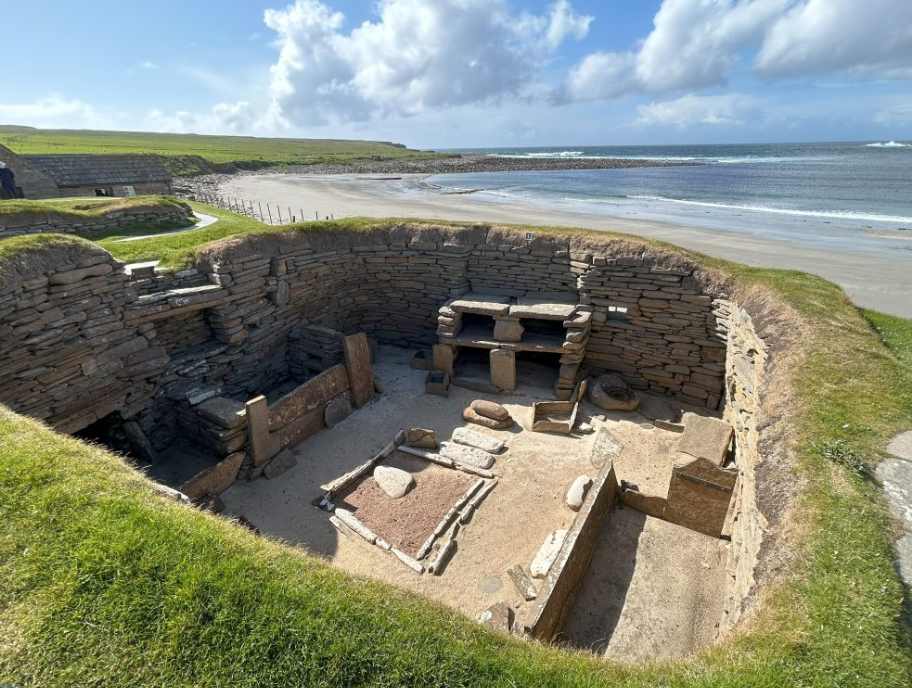
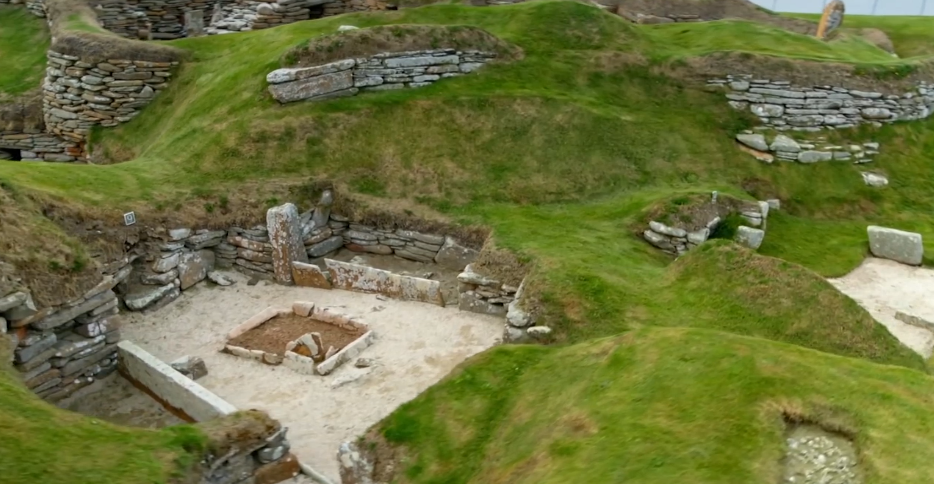 What makes Skara Brae so breathtaking is not monumental architecture, but intimacy. Eight stone-built houses, linked by low, covered passageways, remain almost perfectly intact. Inside, archaeologists found stone beds built against the walls, central hearths for warmth and cooking, and carefully constructed stone dressers—furniture that still stands where it was left some 5,000 years ago. Storage boxes were set into the floors, and drains hint at an early understanding of sanitation and water management.
These were not primitive dwellings but thoughtfully engineered homes. The houses were partially dug into the ground and surrounded by midden material—organic refuse that acted as insulation against Orkney’s relentless winds and cold. The design reflects a sophisticated understanding of both environment and community planning.
 The people of Skara Brae were skilled and resourceful. They farmed crops, raised livestock, fished the surrounding seas, and hunted local wildlife. Their tools were crafted from stone and bone; they produced pottery, likely wove textiles, and adorned themselves with beads and pendants. The uniform layout of the houses suggests a tightly organized society, one built on cooperation and shared knowledge.
Today, Skara Brae forms part of the Heart of Neolithic Orkney, a UNESCO World Heritage Site that also includes nearby ceremonial monuments. Together, these sites reveal that northern Europe hosted complex, settled communities long before the rise of ancient Egypt’s monumental civilization.
Skara Brae is not simply an archaeological site—it is a rare and vivid window into everyday Neolithic life. In its stone beds and hearths, we glimpse families gathered around fires, meals prepared, stories shared. Thanks to a single storm nearly two centuries ago, a village once lost to time now speaks clearly across five thousand years.