1,000-Year-Old Elite Tomb Rich in Gold Discovered at El Caño Archaeological Park, Panama
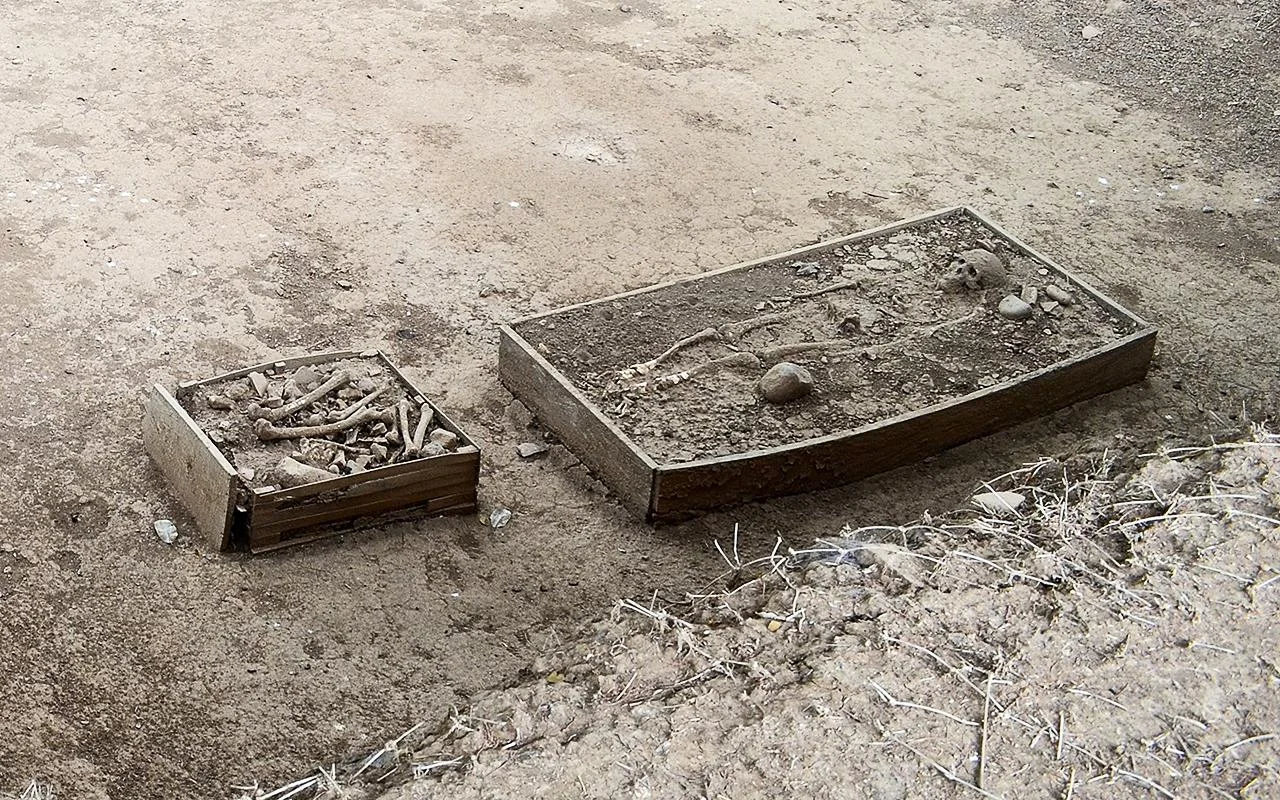
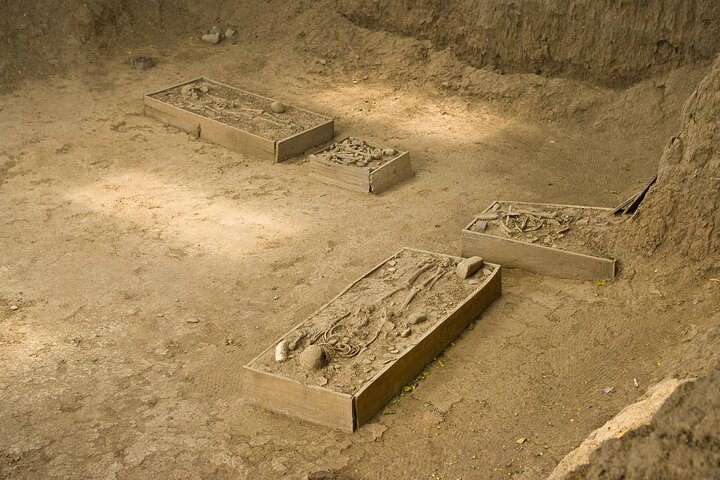
Archaeologists working at El Caño Archaeological Park in Panama have uncovered an elite burial dating back more than 1,000 years, filled with gold ornaments and ceramic vessels. The tomb, dated to between CE 800 and 1000, is located in the district of Natá, approximately 124 miles southwest of Panama City. At the center of the grave lay the skeletal remains of a high-ranking individual, carefully arranged and surrounded by valuable offerings.
The individual was buried with two gold bracelets, a pair of earrings, and ornate pectoral plates decorated with bat and crocodile imagery. These animals frequently appear in the symbolic and visual traditions of ancient societies in central Panama, suggesting links to power, spirituality, or ancestral beliefs.
The craftsmanship of the gold objects reflects advanced metalworking skills and precise control of materials. Nearby ceramic vessels display traditional motifs associated with communities that inhabited the region between the eighth and eleventh centuries, reinforcing the burial’s cultural context.
Excavations at El Caño have been ongoing for nearly two decades, and this tomb is one of ten discovered with similar characteristics. The repeated presence of elite burials in the same location indicates that the site functioned as a ceremonial cemetery for community leaders over roughly 200 years. Generations returned to this place to inter their rulers and influential figures.
The careful placement of gold ornaments around the body highlights clear social hierarchy. Archaeologists interpret these burial goods as evidence that status and identity were believed to endure beyond death, with leadership and spiritual authority expressed through funerary practices.
Researchers also link El Caño to broader interaction networks across the Central American isthmus, the narrow land bridge connecting North and South America. The repeated discovery of finely crafted gold artifacts points to well-established metallurgical traditions long before European contact.
Panama’s Ministry of Culture of Panama has described the discovery as highly significant for national archaeology and for understanding pre-Hispanic history in Central America. Each newly uncovered tomb adds valuable evidence about ancient social structures, belief systems, and artistic traditions that flourished in the region more than a millennium ago.