Bronze Age Hilltop Settlement and Early Farming Evidence Discovered in the Cheviot Hills
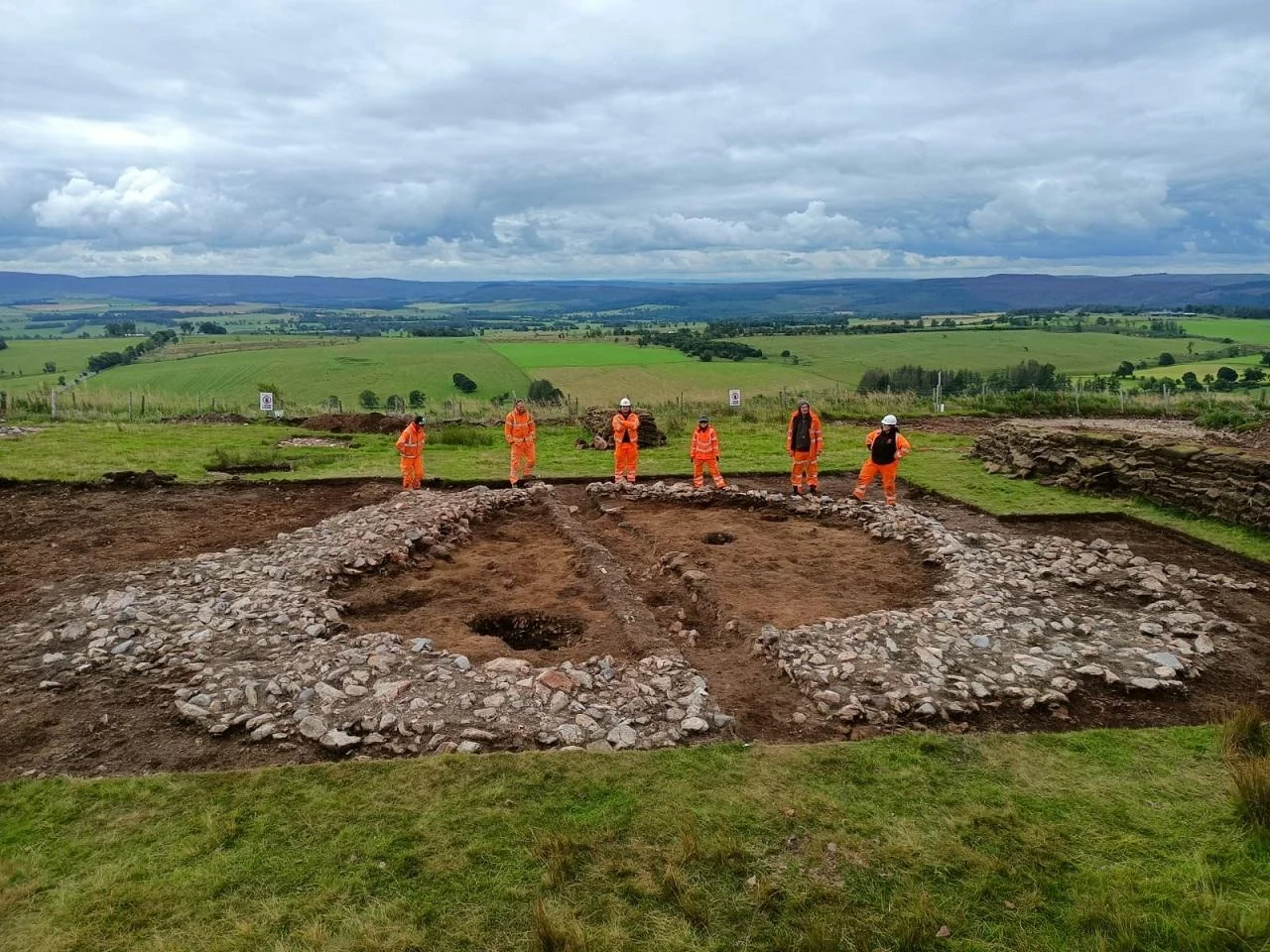
Archaeologists have identified a remarkably well-preserved Bronze Age hilltop settlement at Harden Quarry, in the Cheviot Hills of northern England. The excavation, carried out within Northumberland National Park ahead of a planned quarry extension, has revealed rare evidence of permanent settlement and farming in upland terrain more than 4,000 years ago.
Archaeological teams uncovered circular platforms that once supported timber roundhouses, indicating long-term occupation rather than temporary use. Nearby, they documented early field systems and numerous clearance cairns—heaps of stone created as farmers cleared rocky soil for cultivation. Together, these features point to organized and sustained land use.
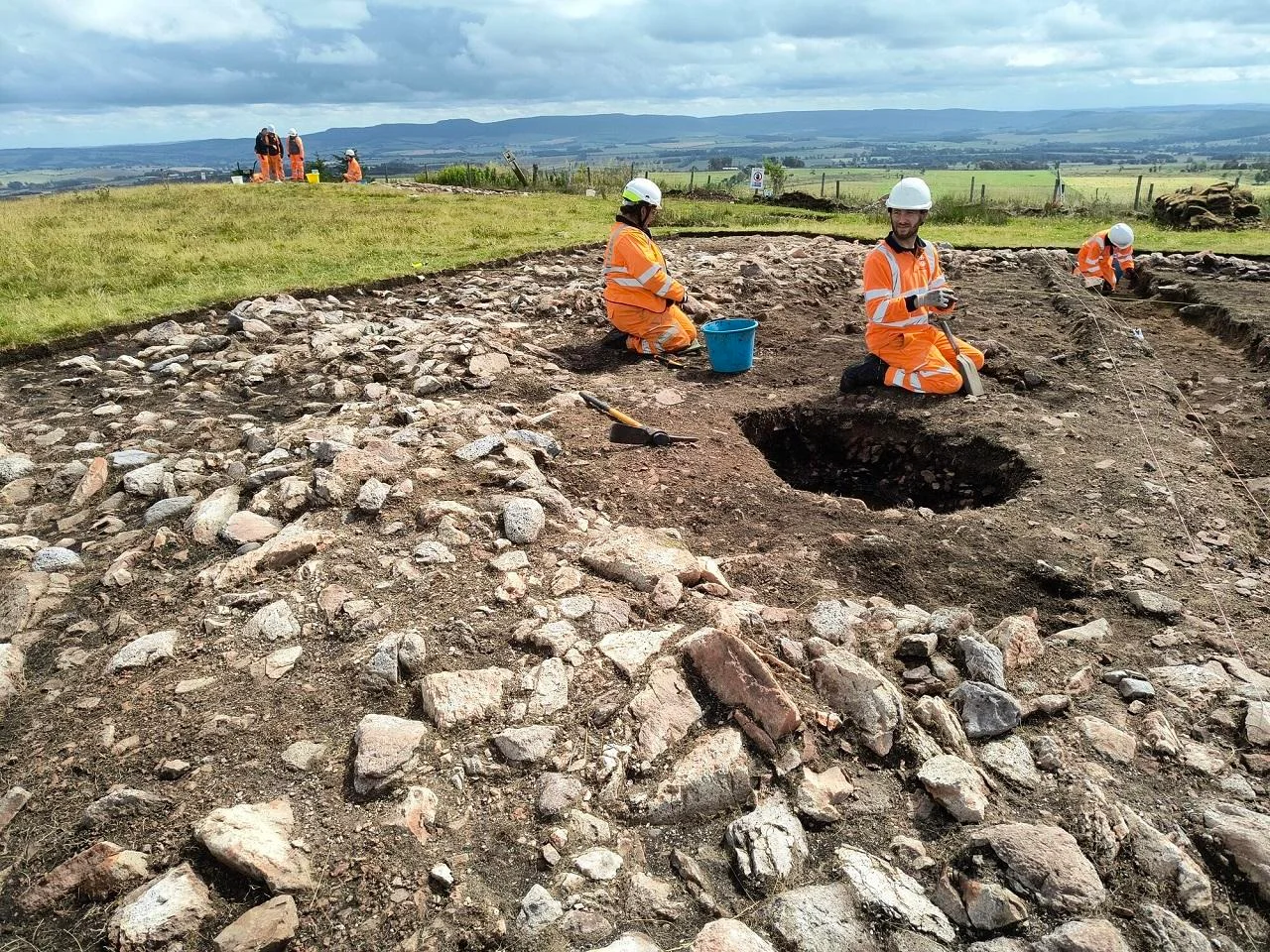
Radiocarbon dating places activity at the site around 2400 BCE, close to the beginning of the British Bronze Age. One clearance cairn produced a particularly early date, pushing back the timeline for intensive upland farming in the Cheviot region. Until now, such agricultural activity at high elevations was generally associated with later periods.
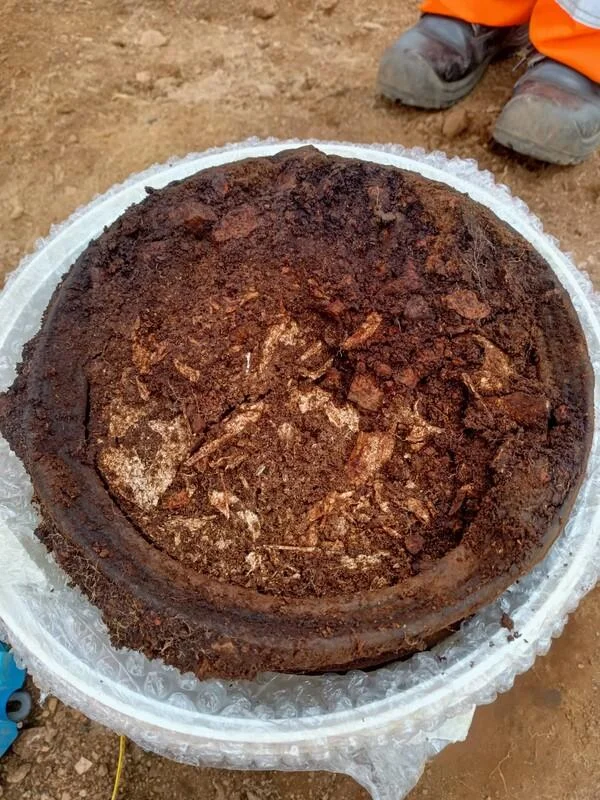
Burial remains add further depth to the findings. Archaeologists recorded three burial cairns on the hilltop, including one large cairn built over two earlier monuments. Within the older cairns, they found a stone-lined grave, or cist. Although acidic soils had destroyed any human bone, the structure itself confirms formal burial practices. A later burial phase included cremated human remains, some placed inside pottery vessels—including one intact urn—while others were deposited in small pits nearby.
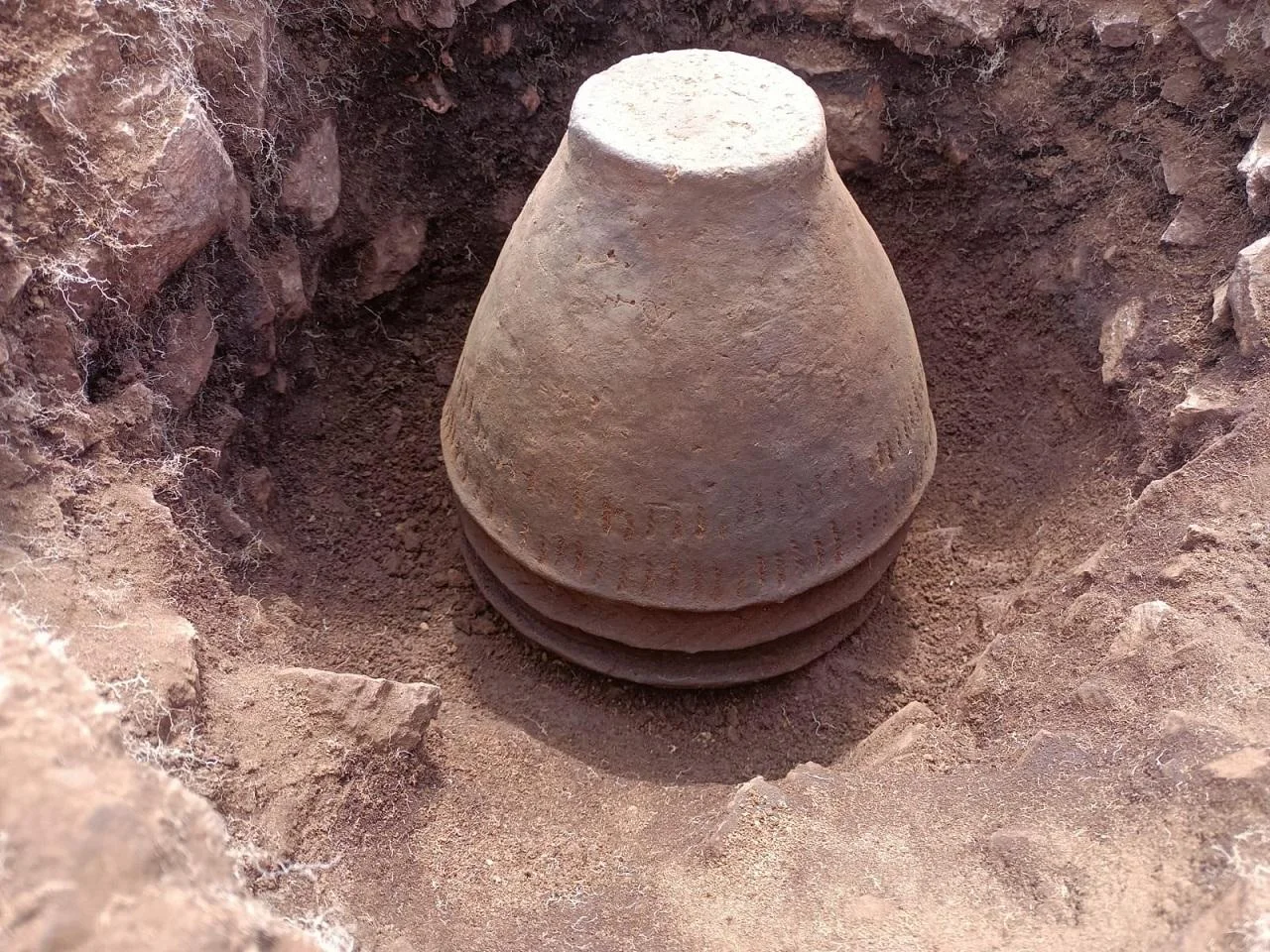
Fragments of Beaker culture pottery were also recovered. Beaker-style ceramics are associated with communities that introduced new burial customs, metalworking, and farming practices across Britain during the early Bronze Age. These finds support the radiocarbon dates and highlight the site’s role during a period of major social change.
Researchers stress how unusual it is to find such a complete archaeological landscape in an upland setting. Settlement remains, agricultural features, and burial monuments all survive together, allowing specialists to study daily life, land management, and ritual behavior in a single context. Clive Waddington of Archaeological Research Services Ltd described the site as offering an almost complete picture of where people lived, farmed, and buried their dead within the same terrain.
The excavation was undertaken as part of a planning condition linked to quarry expansion approved in 2022. Archaeological Research Services Ltd conducted the fieldwork, while the Northumberland National Park Authority oversaw the project. Park officials note that developer-funded archaeology continues to provide valuable insights into early human activity across the Cheviots.
Harden Quarry, known for its distinctive red felsite stone used in road construction, lies within a landscape long valued for its natural beauty. The new discoveries underscore its cultural importance as well. Further laboratory analysis of soils, charcoal, and artifacts is planned to refine dates and better understand ancient crops and environmental conditions.
Overall, the findings challenge long-held views about early farming in northern England. Evidence from Harden Quarry shows that Bronze Age communities established planned settlements and practiced agriculture in upland areas several centuries earlier than previously thought, reshaping models of prehistoric land use in Britain.