Casablanca Fossils Dated to 773,000 Years Ago Reveal African Origin of the Last Common Ancestor of Humans and Neanderthals
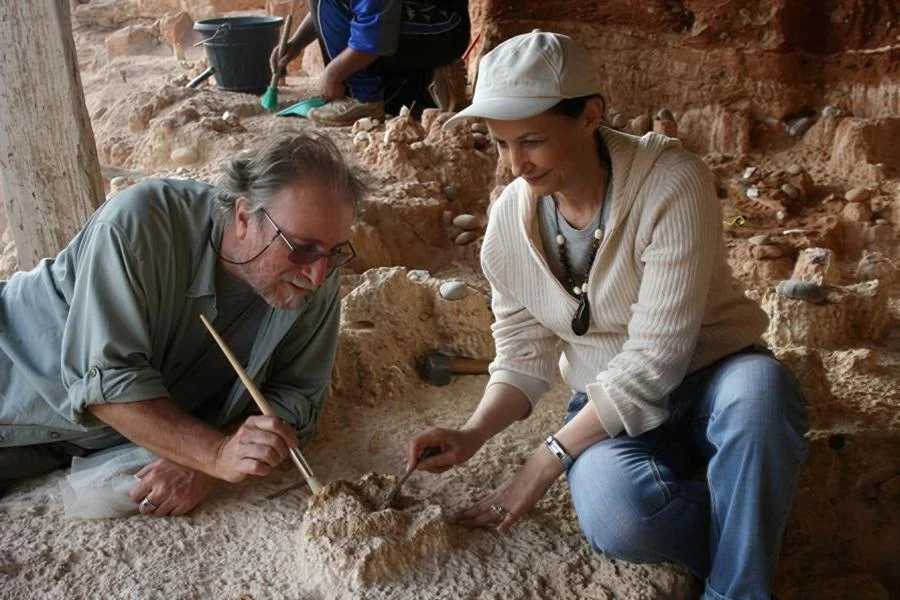
Ancient human fossils from Casablanca are reshaping scientific understanding of early human evolution. New research places a key ancestral population of modern humans and Neanderthals in northwest Africa around 773,000 years ago, suggesting that the last common ancestor of these lineages emerged on the African continent rather than in Europe.
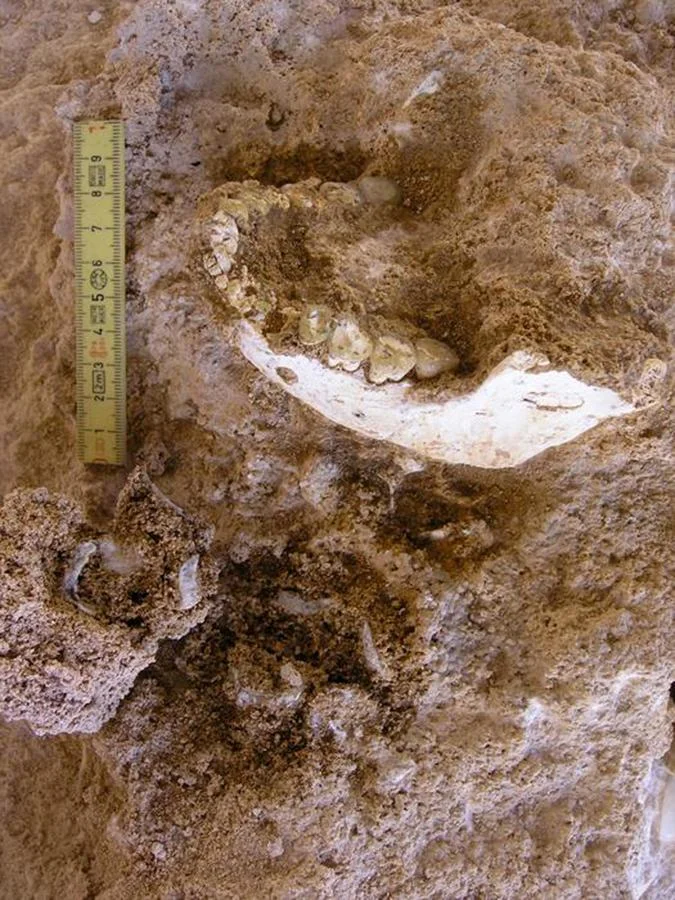
The findings come from Grotte à Hominidés, located at Thomas Quarry I near Casablanca. Researchers analyzed a collection of fossils that includes partial lower jaws from two adults and one child, vertebrae, and numerous teeth. Anatomical features of the jaws and dental structure reveal a combination of older traits associated with Homo erectus and more derived characteristics seen in later humans. This mosaic anatomy points to a population close to the shared origin of Homo sapiens, Neanderthals, and Denisovans.
Crucially, the fossils do not match known European species such as Homo antecessor, despite overlapping in age. Instead, they represent a distinct African population that lived during a pivotal phase of human evolution.
Precise dating anchors the discovery
Dating accuracy plays a central role in the study. Scientists analyzed 180 sediment samples from the cave and identified evidence of the Matuyama–Brunhes magnetic reversal, a global change in Earth’s magnetic field that occurred about 773,000 years ago. The fossil-bearing sediments formed during this reversal, providing one of the most reliable chronological markers available and offering rare precision for African human remains from this period.
Behavior and environment
During the Early Pleistocene, the cave functioned as a carnivore den. Bite marks on a human leg bone indicate scavenging by hyenas. Nearby stone tools link the hominins to early Acheulean technology, which spread widely across Africa more than one million years ago. Together, fossils, tools, and geological data form a tightly connected snapshot of human life at a specific moment in deep time.
Filling a major gap in human origins
For decades, a lack of fossils dating between one million and 600,000 years ago hindered efforts to trace the emergence of the human–Neanderthal lineage. Genetic studies suggested that the split occurred within this interval, but physical evidence remained scarce. The Moroccan fossils help close this gap and redirect attention toward northwest Africa as a central region in early human evolution.
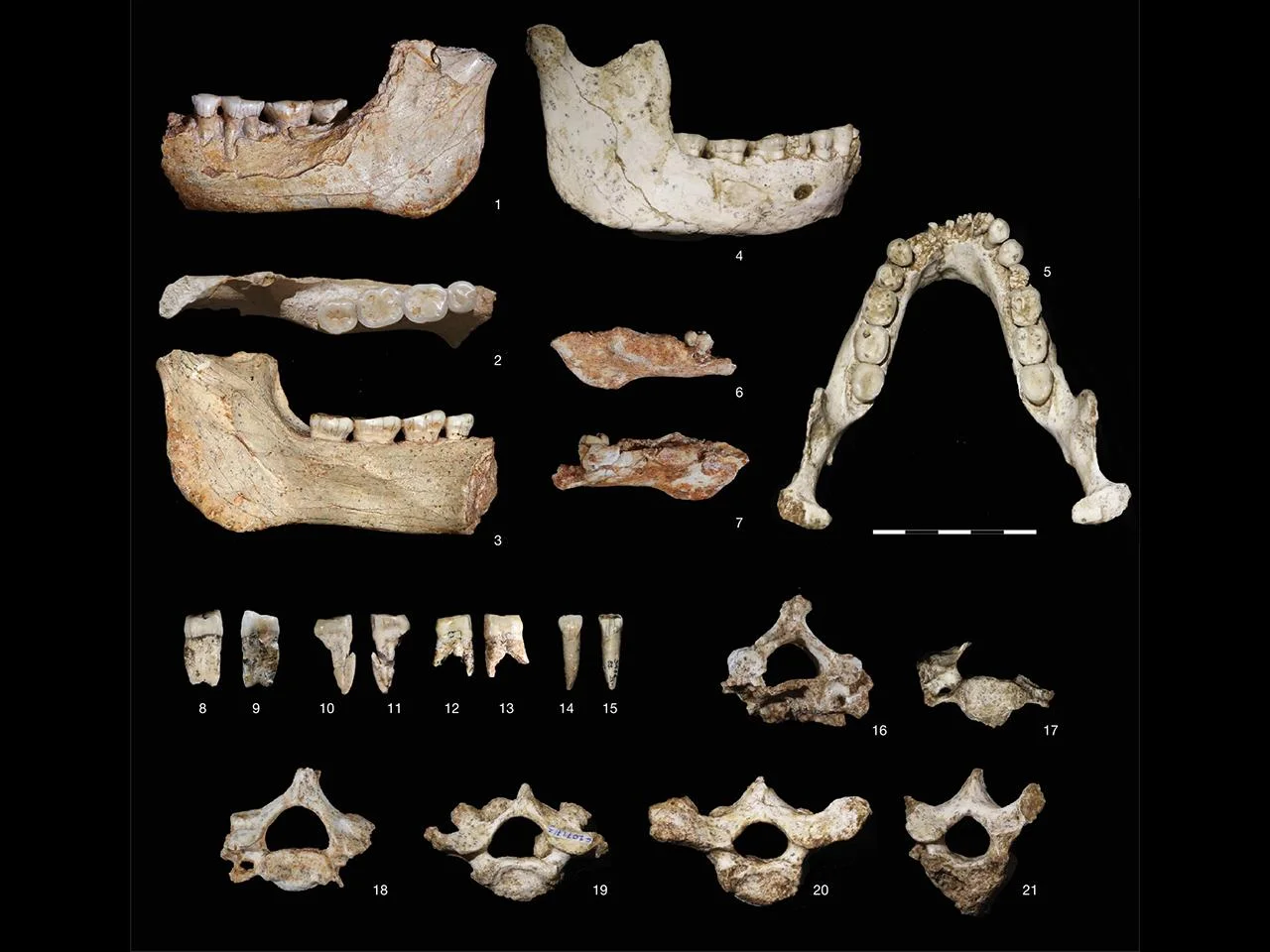
Comparisons with European fossils add further clarity. Remains of Homo antecessor from Atapuerca show early Neanderthal features, but high-resolution micro-CT scans reveal clear internal dental differences between the Spanish fossils and the Casablanca hominins. These results support a model of multiple, diverse human populations across Africa and southern Europe rather than a single ancestral form.
A broader African story
The Atlantic coast near Casablanca preserves raised shorelines, dunes, and caves shaped by fluctuating sea levels. Rapid burial of sediments helped protect fossils and tools, while decades of systematic fieldwork have documented early human occupations and environmental change in the region. The new discoveries build on this long research tradition.
The findings also fit well with known timelines. The oldest confirmed Homo sapiens fossils date to about 300,000 years ago at Jebel Irhoud, also in Morocco. The Thomas Quarry hominins lived roughly half a million years earlier and display traits that foreshadow later humans. Genetic estimates place the human–Neanderthal split between about 765,000 and 550,000 years ago, aligning closely with the age of the Casablanca fossils.
Overall, the evidence reinforces Africa as the deep source of the human lineage, with northwest Africa playing a previously underappreciated role. Population movements across the Sahara during wetter climatic phases likely connected regions rather than isolating them. Human evolution, this research shows, involved multiple African populations long before the appearance of our own species—and northwest Africa now stands firmly at the center of that story.