A Royal Gift: Louis XIV to King John III Sobieski (1676)
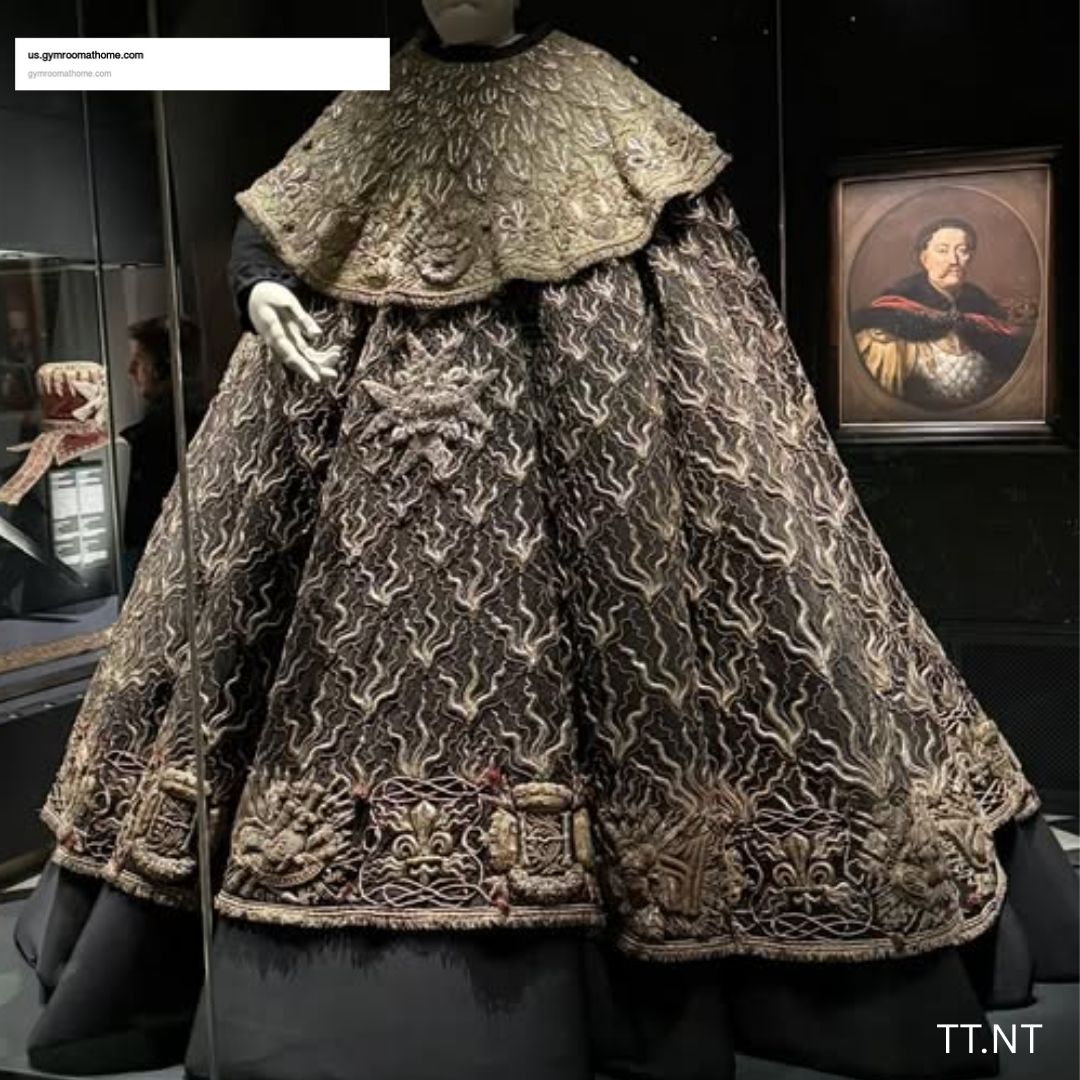
A Royal Gift: Louis XIV to King John III Sobieski (1676)
On November 30, 1676, a diplomatic gift from Louis XIV was formally presented to John III Sobieski by French legates in the collegiate church of Żółkiew (now Zhovkva, Ukraine).
The exchange symbolized more than ceremonial courtesy — it reflected the complex political landscape of 17th-century Europe. Louis XIV, the “Sun King,” sought to expand French influence across the continent through alliances and strategic diplomacy. Poland–Lithuania, under the leadership of Sobieski, occupied a crucial position between Western Europe and the Ottoman frontier.
Such royal gifts were often lavish objects — weapons, armor, textiles, jewels, or finely crafted works of art — designed to convey prestige, wealth, and goodwill. Beyond material value, they carried symbolic weight, reinforcing mutual respect between monarchs and signaling potential cooperation.
John III Sobieski, who would later gain lasting fame for his role in the 1683 Battle of Vienna against Ottoman forces, was already regarded as a formidable military leader. The presentation of a French royal gift underscored Poland’s importance within European power politics at the time.
The ceremony in the collegiate church of Żółkiew added sacred and ceremonial gravitas to the event. In the 17th century, religious spaces often served as stages for political symbolism, blending spiritual authority with dynastic diplomacy.
This exchange remains a testament to the refined rituals of early modern statecraft — where diplomacy was conducted not only through treaties and armies, but through art, ceremony, and carefully chosen gifts.