Tamil Merchant’s Graffiti Discovered in Egypt’s Valley of the Kings (1st–3rd Century AD)
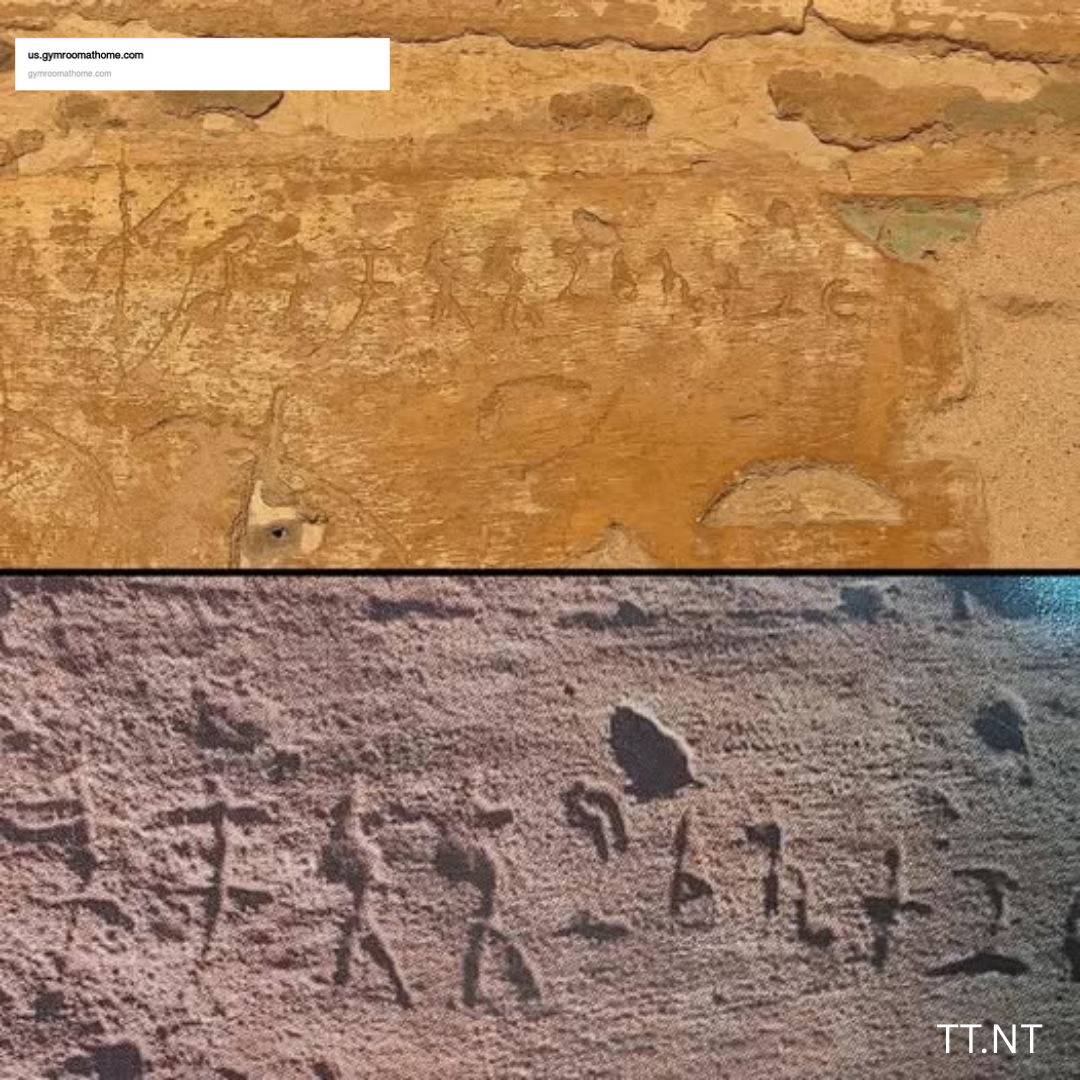
Tamil Merchant’s Graffiti Discovered in Egypt’s Valley of the Kings (1st–3rd Century AD)
A remarkable set of eight Tamil inscriptions discovered in the Valley of the Kings provides striking evidence of long-distance trade connections between South India and Roman-era Egypt.
The inscriptions, dated to the 1st–3rd century AD, repeatedly record the name “Cikai Korran,” believed to be that of an Indian merchant. Written in early Tamil-Brahmi script, the graffiti appear in five different tombs within the necropolis — suggesting either repeated visits or extended presence in the region.

During this period, Egypt was a Roman province and a major hub of Indian Ocean trade. Goods such as pepper, spices, gemstones, ivory, and fine textiles flowed between South India and Mediterranean markets. Egyptian Red Sea ports like Berenike and Myos Hormos were key nodes in this exchange network.
The presence of Tamil inscriptions deep within the Valley of the Kings — a site already ancient by that time — raises intriguing questions. Scholars suggest the merchant may have been a traveler exploring renowned monuments, much like early tourists, or participating in trade-related activity in Upper Egypt.
The graffiti serve as tangible evidence of cultural mobility and global interaction in antiquity. Far from isolated civilizations, the Mediterranean world and South Asia were interconnected through maritime commerce and human movement.
These brief inscriptions — simple personal marks — now stand as powerful testimony to early globalization nearly two millennia ago.