Memento Mori Sculpture in Ivory and Ebony (1520–1530)
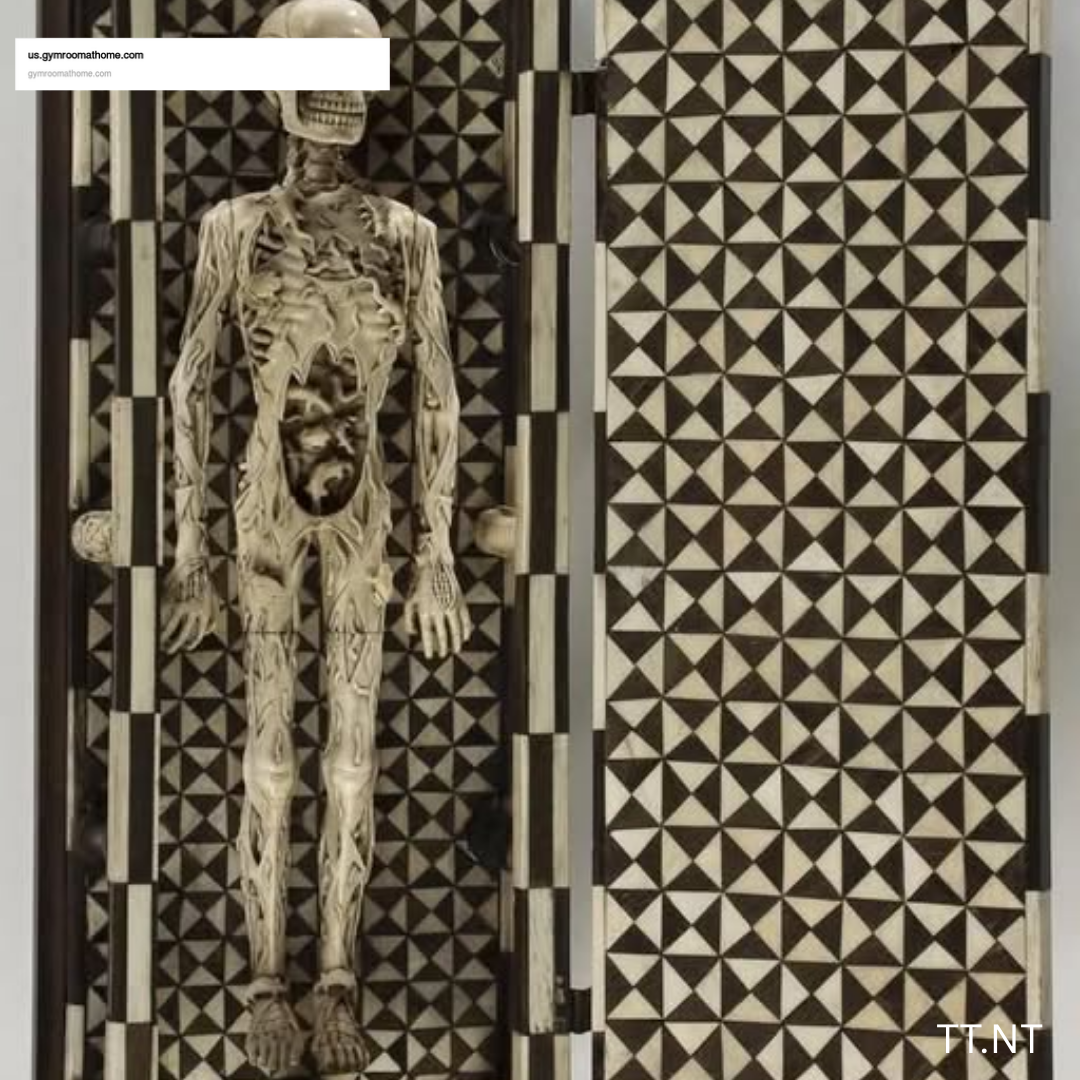
Memento Mori Sculpture in Ivory and Ebony (1520–1530)
This striking memento mori sculpture, crafted from ivory and ebony around 1520–1530, is attributed to the Parisian artist Chicart Bailly. Created during the early French Renaissance, the object reflects a powerful artistic meditation on mortality.
The Latin phrase memento mori translates to “remember that you must die.” During the Renaissance, such objects served as reminders of life’s fragility and the inevitability of death. Rather than morbid curiosities, they functioned as philosophical and spiritual prompts encouraging humility, reflection, and preparation for the afterlife.
The sculpture’s contrasting materials—pale ivory and dark ebony—heighten its symbolic message. Ivory allowed the artist to carve delicate anatomical details, while ebony provided dramatic visual contrast and structural support. This interplay of light and dark echoed the Renaissance fascination with dualities: life and death, flesh and bone, earthly existence and eternal judgment.
Paris in the early 16th century was a thriving center of luxury craftsmanship, where artisans produced small devotional and philosophical objects for wealthy patrons. Works like this were often displayed in private study rooms, cabinets of curiosity, or devotional spaces.
Beyond its technical artistry, the sculpture embodies the intellectual climate of the Renaissance—when art, philosophy, and theology intersected in objects designed to provoke contemplation about the human condition.