3,500-Year-Old Mycenaean Boar’s Tusk Helmets Discovered Near Pylos
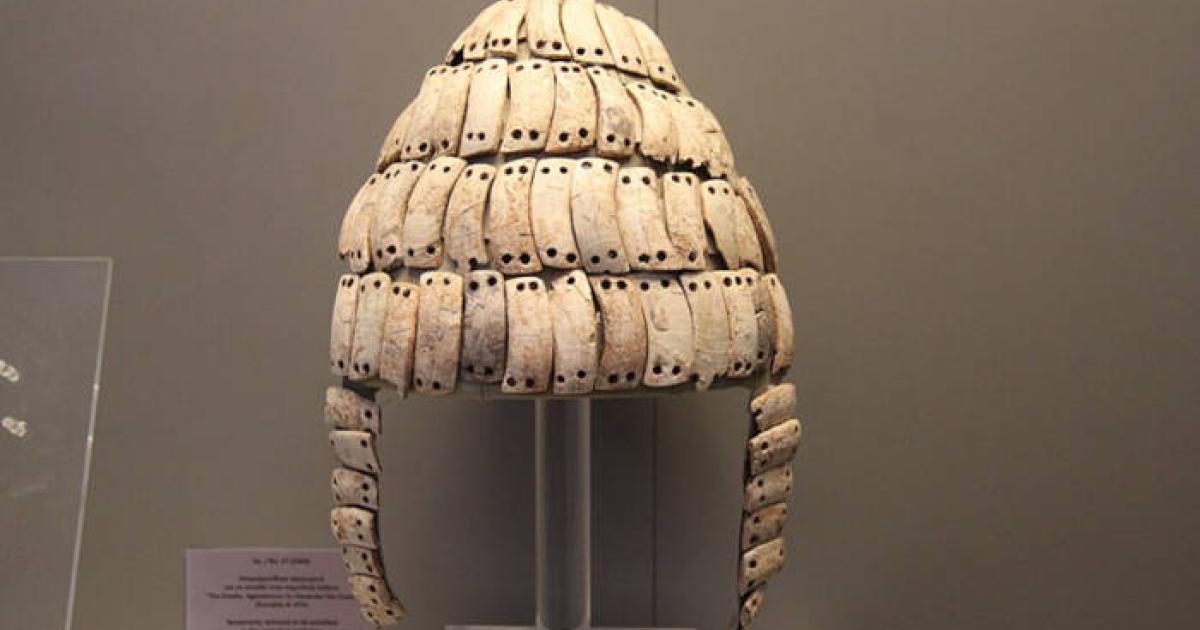
A rare group of Mycenaean boar’s tusk helmets—iconic Bronze Age headgear famously described in a Homeric epic—has reportedly been uncovered in southwestern Greece near Pylos. The discovery has drawn wide attention because these helmets were far more than protective gear; they were powerful symbols of elite status, hunting skill, and high-ranking warrior identity in the Late Bronze Age.
Helmets Made from Dozens of Tusks
Boar’s tusk helmets were crafted from numerous polished slivers of tusk, typically sewn in neat rows onto a leather or fabric base and padded inside. The result was a distinctive white, banded surface that would have stood out immediately. According to reports, a single helmet could require tusks from 40 to 50 wild boars, highlighting both the expense involved and the social prestige such an object conveyed in Mycenaean society.
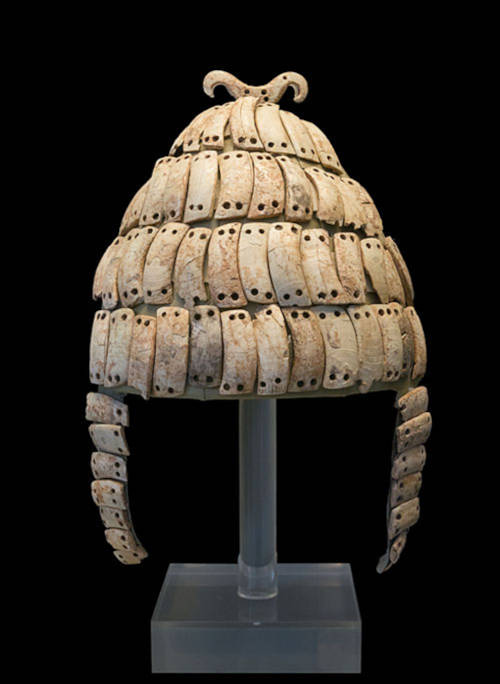
This extraordinary investment of materials helps explain why boar’s tusk helmets are usually found in high-status burial contexts and why they loom so large in later traditions. While they offered some practical protection, they also served as unmistakable displays of wealth, influence, and the ability to organize large-scale hunts.
Homer’s “Boar’s Tooth Helmet” and the Archaeological Link
One reason the discovery is so compelling is that boar’s tusk helmets form one of the clearest links between archaeology and later Greek literature. In the Iliad, Homer describes a white-tusk helmet worn during a night raid—an image that closely matches real examples recovered from tombs and preserved in museums.
Archaeologists and curators frequently note that these helmets appear widely across the Mycenaean world and in contemporary art, reinforcing the idea that they were a recognizable marker of warrior identity rather than an unusual or isolated fashion.
Why the Pylos Region Continues to Matter
The area around Pylos has become one of the most closely watched landscapes in Aegean archaeology, thanks to a steady stream of discoveries shedding light on elite burials, long-distance connections, and the material culture of power. A boar’s tusk helmet fits perfectly into this pattern, combining technical sophistication with strong symbolic meaning—exactly the kind of artifact that allows archaeologists to discuss hierarchy, warfare, and identity without relying solely on myth.