Neanderthals in Spain Deliberately Placed Animal Skulls in Cave, Suggesting Symbolic Behavior
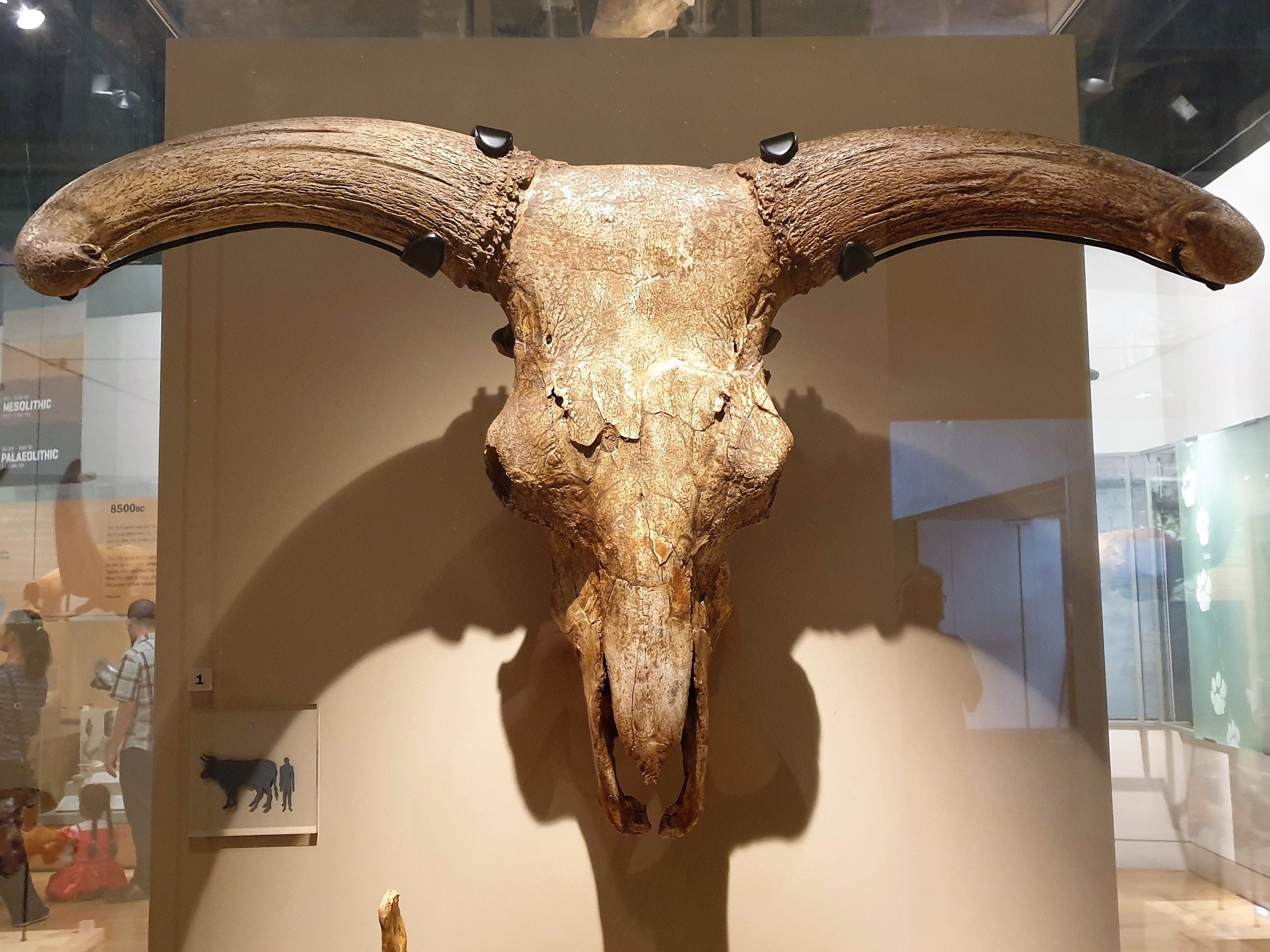
Archaeologists in central Spain have uncovered compelling evidence that Neanderthals repeatedly collected and placed large animal skulls deep inside Des Cubierta Cave, pointing to possible symbolic behavior. The discovery comes from a detailed investigation of Level 3, a Middle Paleolithic layer formed during cold climatic periods between roughly 135,000 and 43,000 years ago.
Excavations uncovered 35 skulls of large hoofed mammals, including steppe bison and aurochs. Most of the skulls are missing their lower jaws, and every specimen belongs to a horned or antlered species. In the same layer, researchers found more than 1,400 stone tools associated with Mousterian technology, a tool tradition closely linked to Neanderthals. Evidence of controlled fire use was also identified in this level.
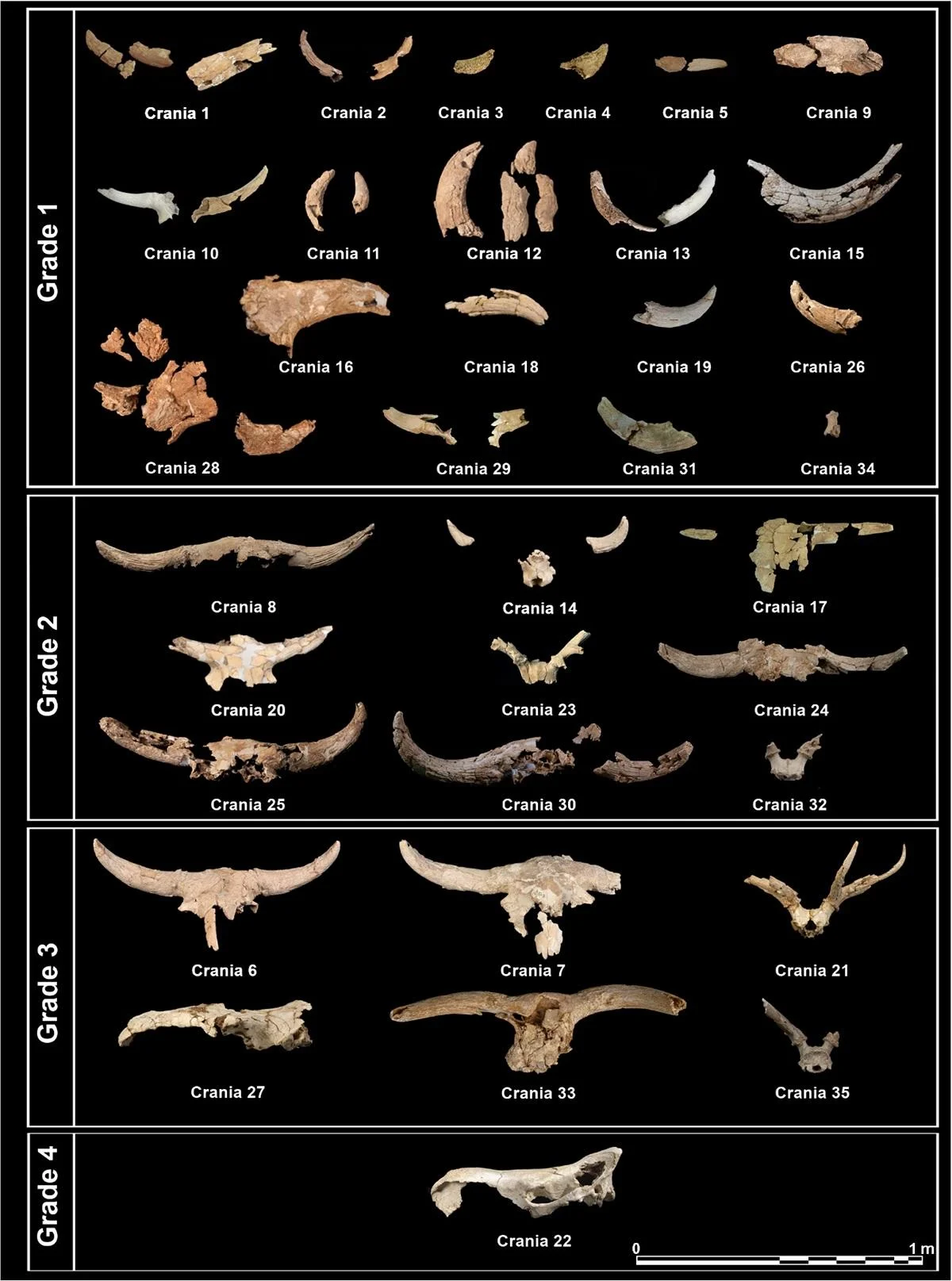
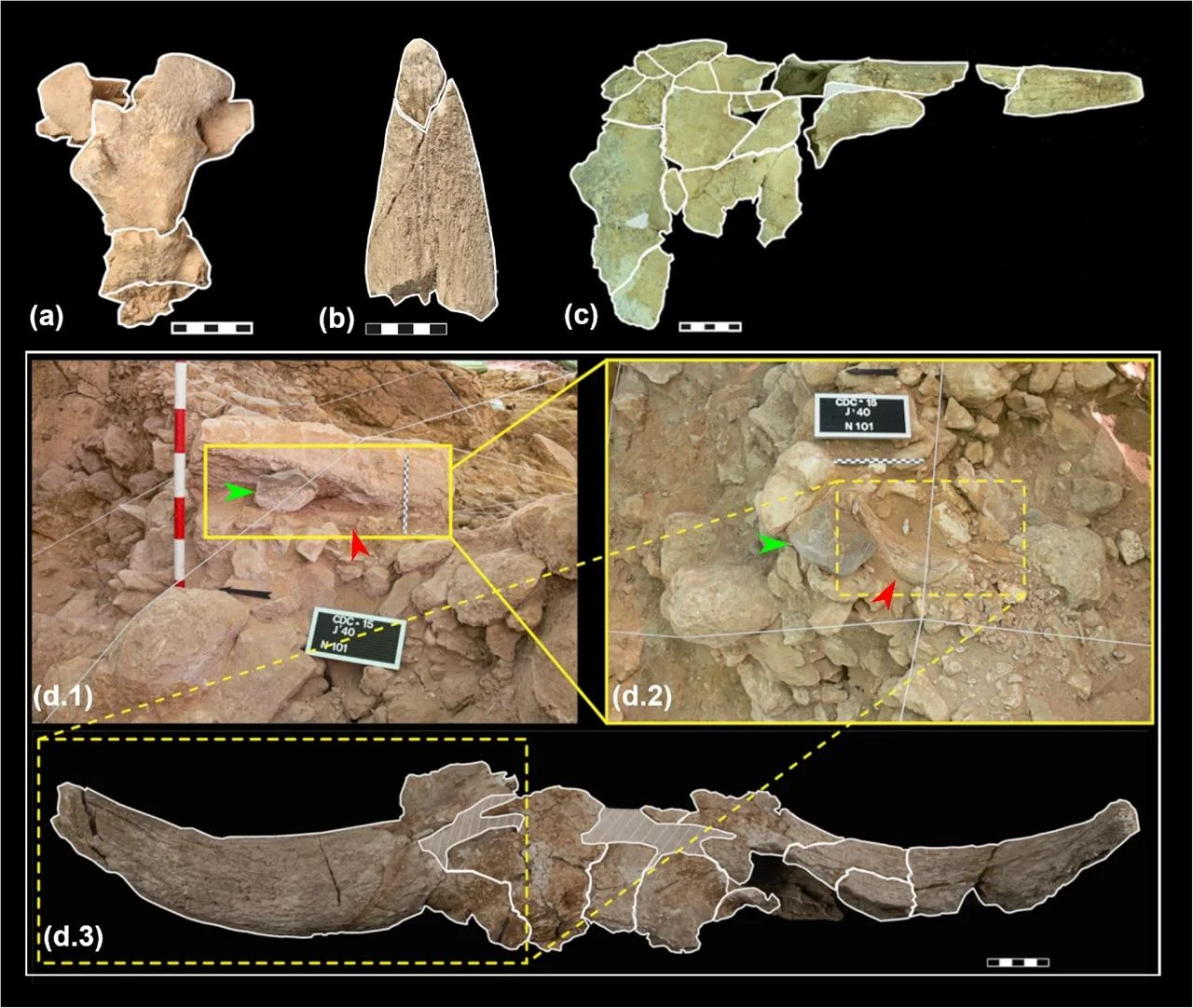
At first, the cluster of bones appeared chaotic due to repeated rockfalls inside the cave over thousands of years. To determine whether the arrangement resulted from natural processes or human activity, researchers carefully mapped the exact positions of stones, bones, and tools. They compared the spread of rockfall debris with the distribution of archaeological materials. While the fallen geological fragments formed a cone-shaped deposit, the skulls and tools followed completely different spatial patterns. This difference strongly suggests that the skulls were deliberately placed by Neanderthals rather than randomly buried by falling rocks.
Further geostatistical analysis of stone sizes helped researchers reconstruct the formation of the debris cone. Patterns in stone sorting and density revealed pauses in sediment buildup, which created stable surfaces inside the cave at different times. The archaeological materials were found above early rockfall layers, indicating that human visits occurred after the first debris accumulation.
Additional evidence came from bone refitting, where broken skull fragments found close together were matched back together. This shows that the bones experienced very little movement after they were deposited. The cave’s structure and the slope of the sediment cone influenced how fragments shifted over time. Skulls located in the central gallery near the cone’s middle were preserved in better condition, while those in the southern sections, where the passage narrows and the ground becomes uneven, were more heavily fragmented due to gravity, erosion, and soil processes.
The repeated presence of horned skulls concentrated in specific areas of the cave suggests intentional behavior rather than simple food storage or butchery waste. Other animal bones typically found in living areas appear in much lower numbers at this location. Moreover, the section of the cave containing the skulls shows no clear evidence of daily habitation, indicating the space likely served a special or ritual purpose.
Researchers believe Neanderthals returned to this cave many times over thousands of years, adding new skulls during each visit. This long-term pattern implies that knowledge of the practice was shared and transmitted across generations. The consistent focus on horned animal heads, their careful placement, and the use of a non-domestic cave chamber all support the interpretation of a cultural tradition with symbolic meaning.
Beyond shedding light on Neanderthal behavior, the study also demonstrates the importance of combining spatial analysis, geology, and bone studies when investigating complex cave sites. By carefully distinguishing natural processes from human activity, researchers gained a clearer understanding of how Neanderthals shaped this underground environment.