The Giant Buddhas of Bamiyan: A Cultural Treasure Lost in 2001
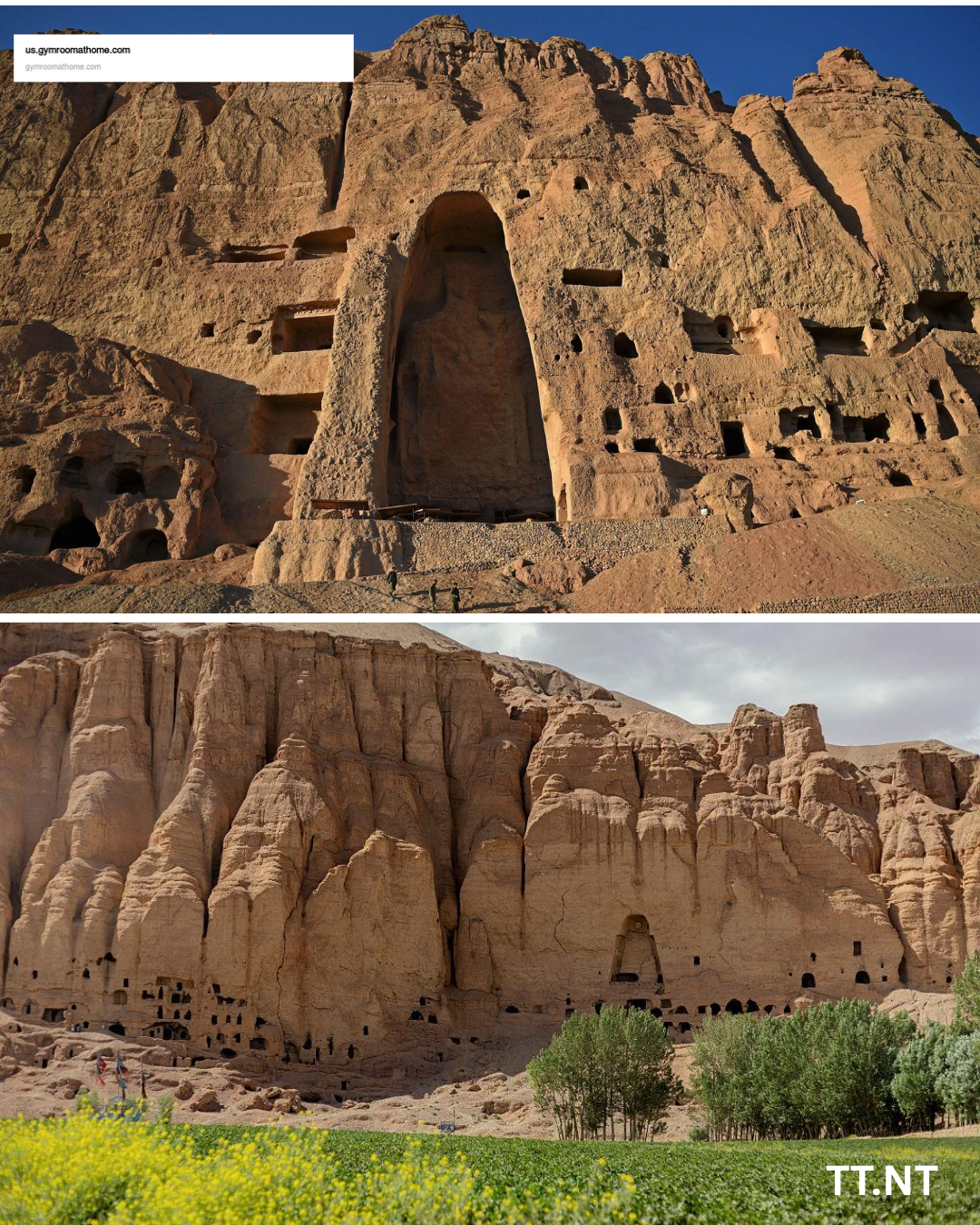
The Giant Buddhas of Bamiyan: A Cultural Treasure Lost in 2001
For more than thirteen centuries, the colossal statues known as the Buddhas of Bamiyan stood carved into the sandstone cliffs of central Afghanistan. Towering up to about 55 meters (180 feet), they were among the largest standing Buddha statues in the world.
The sculptures were created during the 6th century CE, when the Bamiyan Valley lay along important routes of the Silk Road. At that time the region was a flourishing center of Buddhist culture, where monks, pilgrims, and merchants passed through a landscape dotted with monasteries and cave shrines. The statues themselves were originally painted in bright colors and decorated with elaborate details.

For centuries, the Buddhas survived waves of political change and foreign conquest. They endured the rise and fall of empires, from early Central Asian kingdoms to later Islamic dynasties, remaining a powerful symbol of Afghanistan’s diverse cultural past.
However, in March 2001, the statues were deliberately destroyed by the Taliban. Explosives and artillery were used to demolish the monuments, despite widespread international appeals from historians, governments, and cultural organizations.
The destruction sparked global outrage and was widely condemned as a devastating loss to world heritage. Today, the empty niches where the statues once stood remain powerful reminders of the cultural significance they held.
Efforts led by organizations such as UNESCO continue to preserve the surrounding archaeological site and explore possibilities for conservation, digital reconstruction, and memorialization.
Though the statues themselves are gone, the story of the Bamiyan Buddhas endures as a symbol of both humanity’s creative achievements and the importance of protecting cultural heritage.