The Vix Krater: A Monumental Vessel Linking Greek and Celtic Worlds
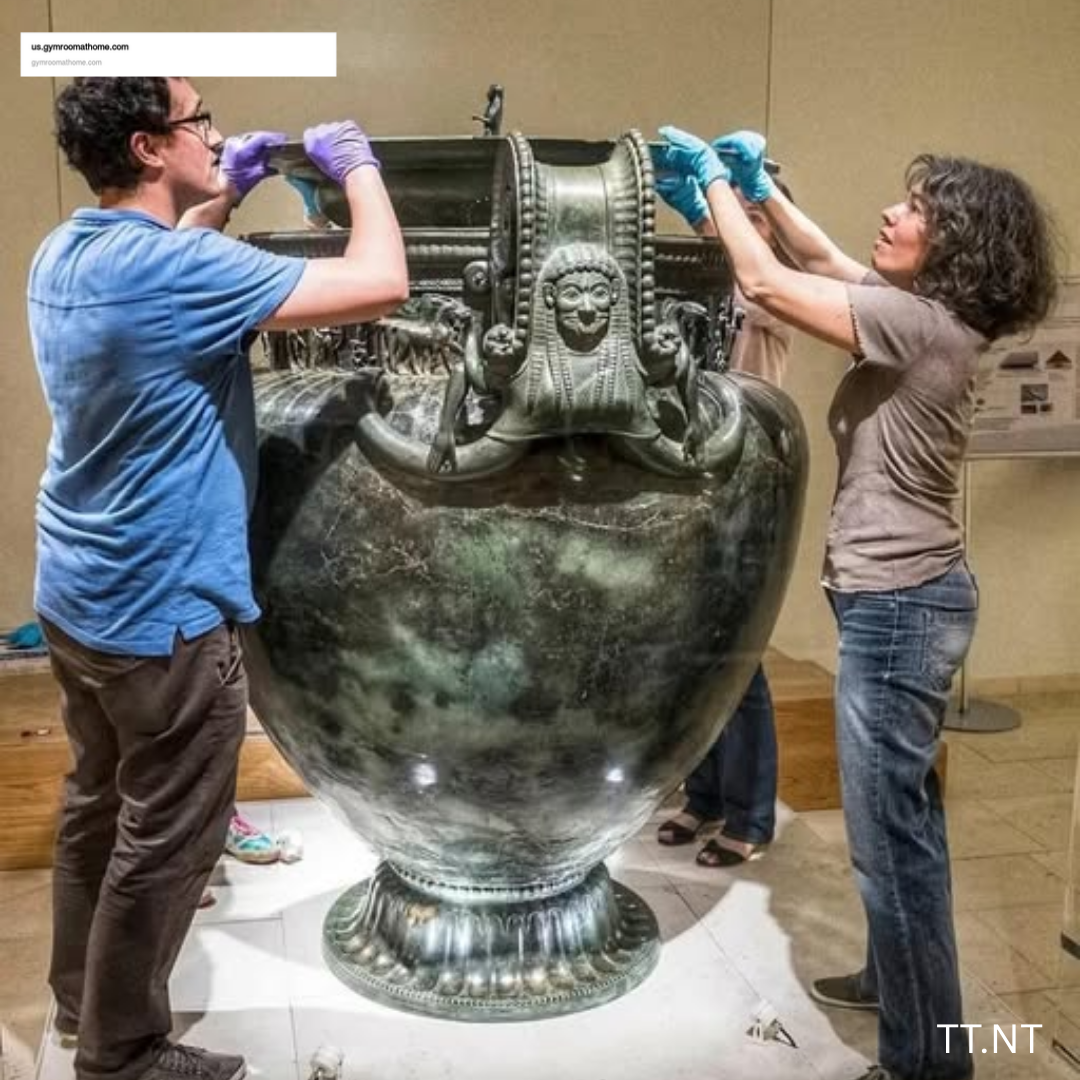
The Vix Krater: A Monumental Vessel Linking Greek and Celtic Worlds
The remarkable Vix Krater, discovered in the burial of the so-called Lady of Vix in Burgundy, France, is the largest known metal vessel from Western antiquity and one of the most extraordinary archaeological finds in Europe.
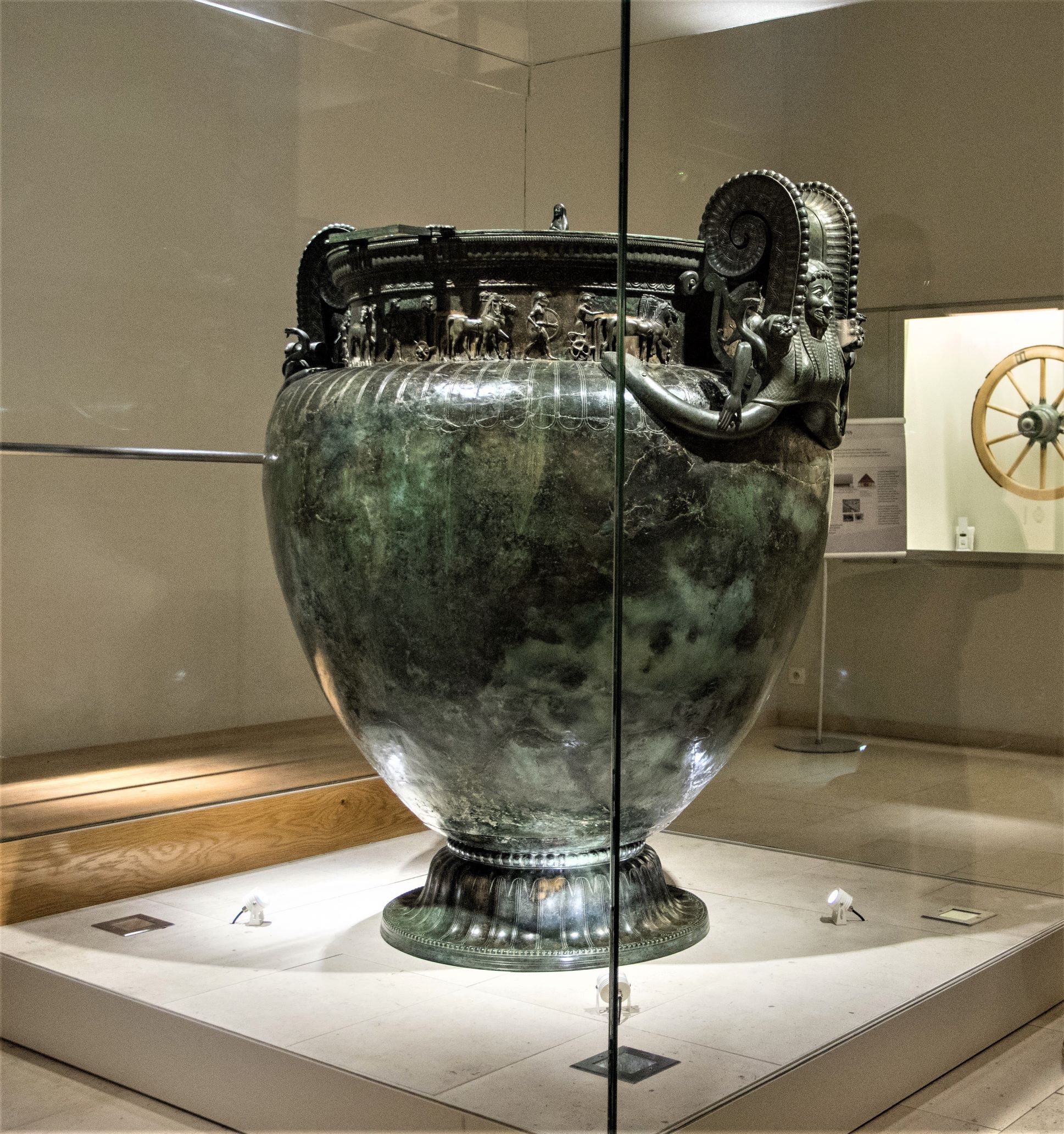
Dating to around 530 BCE, the krater was uncovered in a richly furnished Celtic burial mound near the village of Vix. Standing about 1.64 meters (over 5 feet) tall and weighing more than 200 kilograms, the enormous bronze vessel was likely produced by Greek craftsmen, probably in southern Italy or the Greek colonies of the Mediterranean.
A krater was traditionally used in ancient Greek culture to mix wine and water during ceremonial feasts and banquets. The Vix example features finely cast handles and a decorative frieze around the neck depicting a procession of warriors and chariots, a motif typical of Greek artistic tradition.
Its presence in the grave of a high-status Celtic woman—often referred to as the Lady of Vix—reveals the extent of long-distance trade networks during the Late Iron Age. Greek luxury goods traveled far north through exchange routes linking Mediterranean merchants with Celtic elites.

The burial itself was extraordinarily rich, containing a ceremonial chariot, jewelry, and other luxury items. Archaeologists believe the woman buried there may have been a powerful political or religious leader within her society.
Today, the Vix Krater stands as a powerful symbol of cultural contact between the ancient Mediterranean world and Iron Age Europe. It demonstrates that centuries before the Roman Empire expanded across the continent, trade, diplomacy, and shared prestige goods were already connecting distant civilizations.