DNA Reveals Rare Dwarfism in a Teenager Who Lived in Italy 12,000 Years Ago
A new genetic study has uncovered the earliest known genetic diagnosis in an anatomically modern human, identifying a rare form of dwarfism in a prehistoric teenage girl who lived more than 12,000 years ago. The discovery highlights how ancient DNA can reveal rare diseases in prehistoric populations and offers important clues about care and social support in Stone Age communities.
A Remarkable Burial in Southern Italy
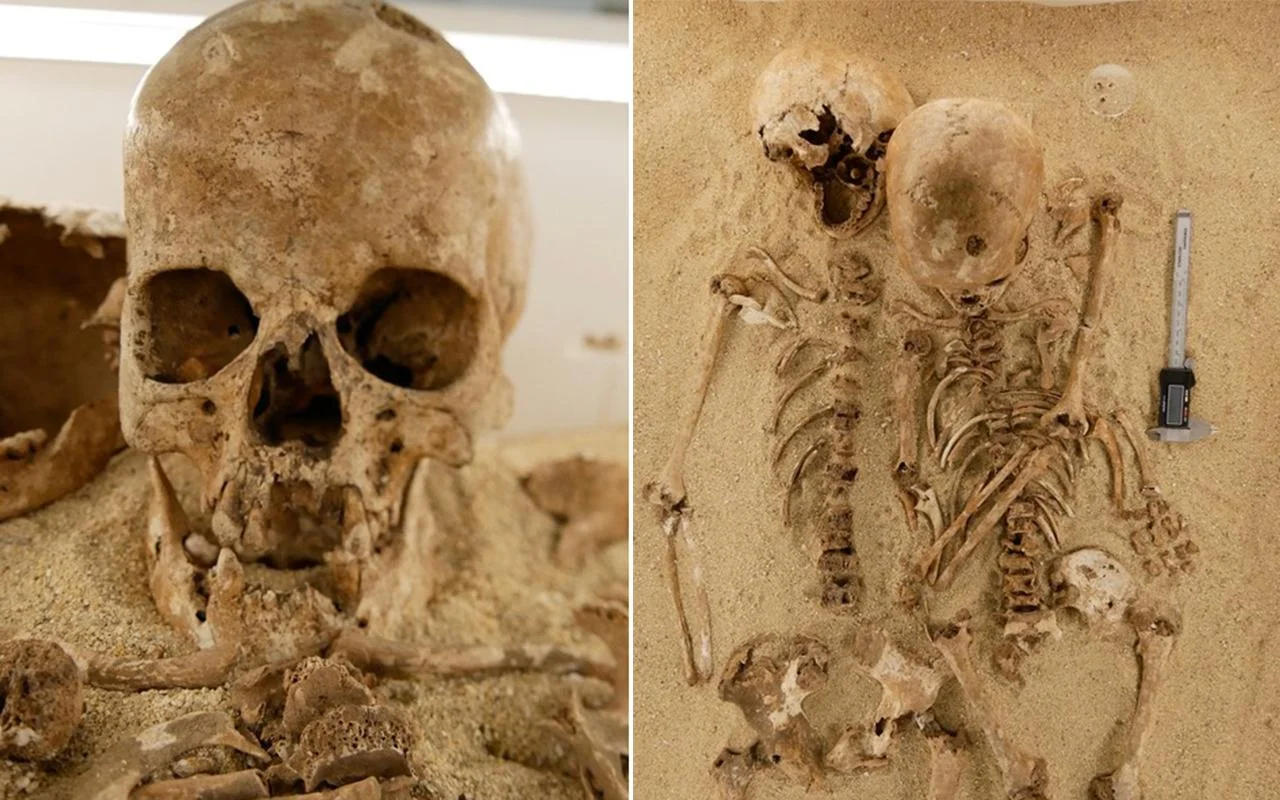
The research centers on a double burial discovered in 1963 inside Grotta del Romito, a limestone cave in southern Italy. Archaeologists found two individuals buried in an embrace, suggesting a close personal relationship.
One of them, originally thought to be male, was later identified as a teenage girl known as Romito 2. Her skeleton revealed extremely short limbs and small stature, measuring only 110 centimeters (about 3 feet 7 inches). The second individual, called Romito 1, stood about 145 centimeters (4 feet 9 inches)—shorter than the typical adult height of the period. Importantly, neither skeleton showed signs of trauma, indicating they likely died from natural causes.
Ancient DNA Reveals the Cause
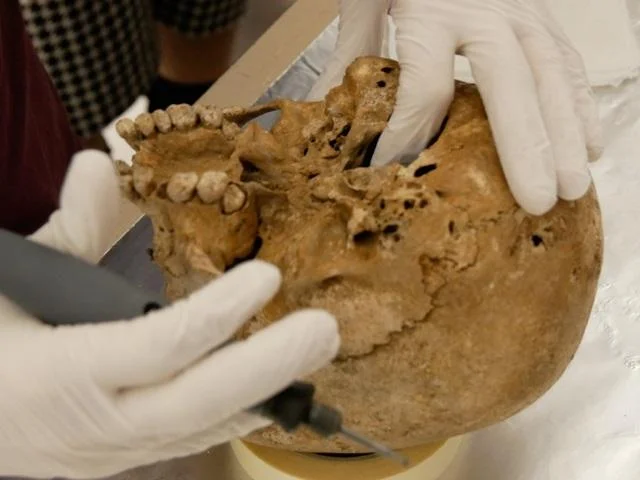
Scientists extracted DNA from the inner ear bone, one of the best-preserved areas for ancient genetic material. The analysis showed that both individuals were female and were first-degree relatives, most likely mother and daughter.
Further genetic testing revealed that Romito 2 carried two mutated copies of the NPR2 gene, confirming a diagnosis of Acromesomelic Dysplasia, Maroteaux Type, an extremely rare inherited condition that causes severe shortening of the limbs.
Romito 1 carried only one copy of the mutated gene, which explains her moderately shorter stature. These findings closely match the clinical patterns seen in modern patients with mutations affecting the NPR2 gene.
Rare Diseases Are Not Just Modern
According to Adrian Daly of Liège University Hospital Centre, the research shows that rare genetic disorders have existed throughout human history.
He explained that modern medical research often focuses on identifying causes of abnormal growth today, but this discovery demonstrates that rare genetic diseases were already present in prehistoric populations. Daly also noted that while such conditions still pose major challenges today, new treatments targeting genes like NPR2 are beginning to emerge.
A Connection to Ancient European Populations
Genetic analysis also linked both individuals to the Villabruna Cluster, a group of hunter-gatherers that expanded from southern Europe into central and western parts of the continent around 14,000 years ago.
Despite her severe physical limitations, Romito 2 survived into adolescence—a remarkable achievement given the demanding lifestyle of prehistoric hunter-gatherer societies. Researchers believe this survival likely depended on support from her family and community, who may have helped with food gathering and mobility.
Evidence of Prehistoric Compassion
The burial itself—two relatives placed together in an embrace—along with the girl’s survival into her teenage years, suggests that Stone Age communities were capable of caring for individuals with significant disabilities.
The study demonstrates how ancient DNA analysis is transforming archaeology, allowing scientists not only to trace migrations and ancestry but also to identify rare diseases that remained invisible in the archaeological record for thousands of years.
Researchers believe that as more ancient genomes are analyzed, many other hidden medical conditions from prehistory may soon be uncovered, offering an entirely new perspective on health and life in ancient human societies.