🧠 “They Said It Was Just Stress”: Medical Student Diagnosed With Terminal Brain Cancer After Years of Dismissed Symptoms
- SaoMai
- March 6, 2026
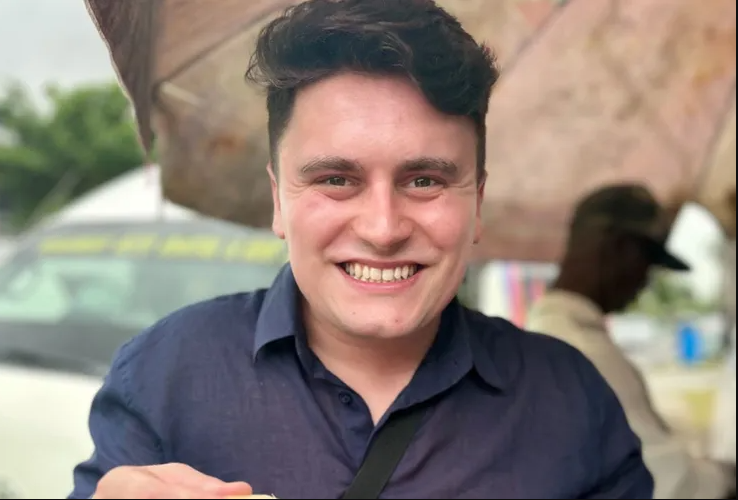
For years, Alex Warwick believed something was seriously wrong with his body. Yet every time the 23-year-old medical student from Liverpool, England sought medical help, he was told the same thing — that nothing was wrong.
Now, after nearly a decade of unexplained symptoms, Alex has been diagnosed with glioblastoma, one of the most aggressive and incurable forms of brain cancer. The diagnosis came only after a medical emergency forced doctors to look deeper, revealing a large brain tumor that had likely been growing for years.
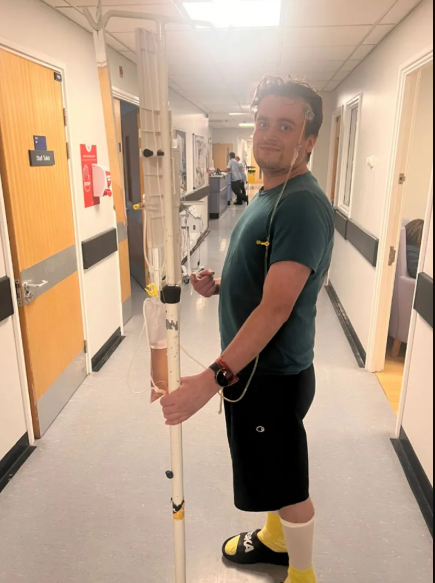 Alex first began experiencing strange episodes while studying at university. Without warning, overwhelming fatigue would hit him during classes or exams, making it difficult to stay awake. But the symptoms didn’t stop there.
Sometimes, one side of his face would suddenly droop, mimicking the signs of a stroke. His left eyelid would fall, the left side of his face would become paralyzed, and he would struggle to use his left hand.
“I would suddenly feel really sleepy,” Alex told The Independent. “One half of my face would be paralyzed, with my left eyelid drooping and the left side of my face paralyzed. I could not grip things with my left hand. I would feel confused, like half my body was shutting down.” The frightening episodes would usually pass within minutes. Determined to understand what was happening, Alex repeatedly visited doctors and specialists. However, because the symptoms weren’t present during examinations, his tests often appeared normal.
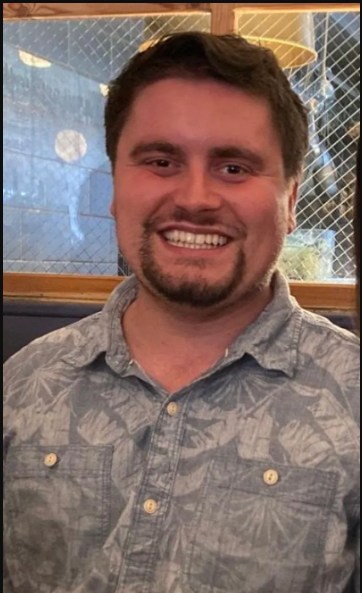 Instead of further investigation, he was often reassured that the symptoms were likely caused by stress or health anxiety — something doctors sometimes see in medical students who study illnesses extensively.
“All the GP and neurological exams were normal because I was not having any episodes at the time,” Alex explained. “I present really well. I am articulate and fit, so no one would think even now that there would be anything wrong with me.” Still, the explanation never felt right. “But to be told it was health anxiety was pretty horrible, especially as a medical student,” he added. His father, Ian Warwick, watched his son struggle through years of uncertainty and fear. He estimates that Alex visited doctors dozens of times, searching for answers. “I think we probably went to 50 doctor’s appointments,” Ian said. “After constant reassurance that everything was okay, we eventually stopped pushing the issue.” Everything changed in May 2025.
 While having dinner with friends, Alex suddenly experienced another severe episode. This time, his friends immediately called his parents, who rushed him to the hospital. Soon after arriving, Alex began suffering seizures — a medical emergency that forced doctors to act quickly. A brain scan revealed the shocking truth. Doctors discovered a large, aggressive tumor measuring about 5 centimeters. Alex was rushed into emergency brain surgery and later diagnosed with glioblastoma, a fast-growing cancer that forms in the brain or spinal cord. According to the Cleveland Clinic, glioblastoma carries a very poor prognosis, with an average life expectancy of roughly 12 to 18 months after diagnosis. For Alex and his family, the news was devastating — especially given how long he had been seeking answers. “I would estimate I had the tumor for seven or eight years,” Alex said. “All it would have taken was someone saying they were not sure what was going on and booking me for a scan.” By the time imaging was finally done, the tumor had already grown significantly. “It was 5 cm,” he said. “A big tumor that you could not really miss.” Despite the heartbreak, Alex and his father say their story is not about blaming doctors, but about encouraging medical professionals to listen carefully when patients repeatedly report the same symptoms. “None of this is about pinning blame,” Ian said. “But if someone presents five or six times with the same thing, take it seriously. Escalate and be more curious about why.” Today, Alex’s story is resonating with people around the world — not only as a tragic reminder of how aggressive brain cancer can be, but also as a powerful lesson about the importance of persistence, curiosity, and truly listening to patients when they say something isn’t right. 🕊️