Sex-Biased Interbreeding Between Neanderthals and Early Humans Revealed by DNA
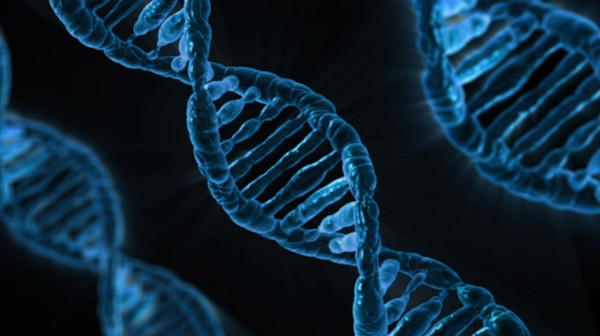
For years, geneticists have puzzled over a strange pattern in the human genome. While many modern people carry traces of DNA from Neanderthals, large portions of the human X chromosome contain very little of it. A new study published in Science suggests that this gap may not simply be the result of harmful genes being removed over time, but rather the outcome of sex-biased mating patterns between ancient populations.
The research proposes that interbreeding occurred more frequently between male Neanderthals and female Homo sapiens than in the opposite direction. Although this might sound like a minor detail, it has had lasting effects on how Neanderthal ancestry appears in modern human DNA.
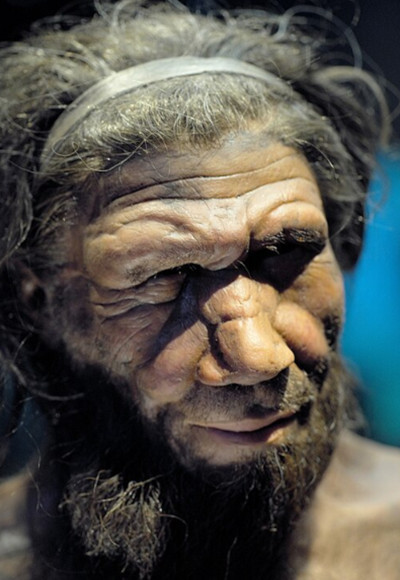
The Mystery of the “Neanderthal Deserts”
Most people with non-African ancestry carry between 1% and 4% Neanderthal DNA scattered throughout their genomes, reflecting contact between Neanderthals and modern humans after the latter migrated into Eurasia. However, the X chromosome—one of the two human sex chromosomes—shows unusually large regions where Neanderthal ancestry is rare or completely absent. Scientists often refer to these areas as “Neanderthal deserts.”
Until now, a common explanation was natural selection. Researchers proposed that Neanderthal genes located on the X chromosome may have caused fertility problems or other biological disadvantages, leading them to be gradually removed from human populations over generations.
A Reverse Pattern in Neanderthal DNA
To test this idea, scientists approached the problem from the opposite direction. Instead of looking only at modern human genomes, they examined what happened when modern human DNA entered Neanderthal populations. Using genetic data from African populations as a baseline—since their ancestors had little or no Neanderthal ancestry—the team compared these genomes with three well-preserved Neanderthal genomes: Altai Neanderthal, Chagyrskaya Neanderthal, and Vindija Neanderthal.
The results revealed a striking contrast. While modern humans show very little Neanderthal DNA on their X chromosomes, Neanderthals actually carried about 62% more modern human DNA on their X chromosomes compared with their other chromosomes.
If genetic incompatibility had been the main factor removing DNA, scientists would expect similar gaps in both species. Instead, the Neanderthal pattern appeared almost like a mirror image of the human one.
The Role of Ancient Mating Patterns
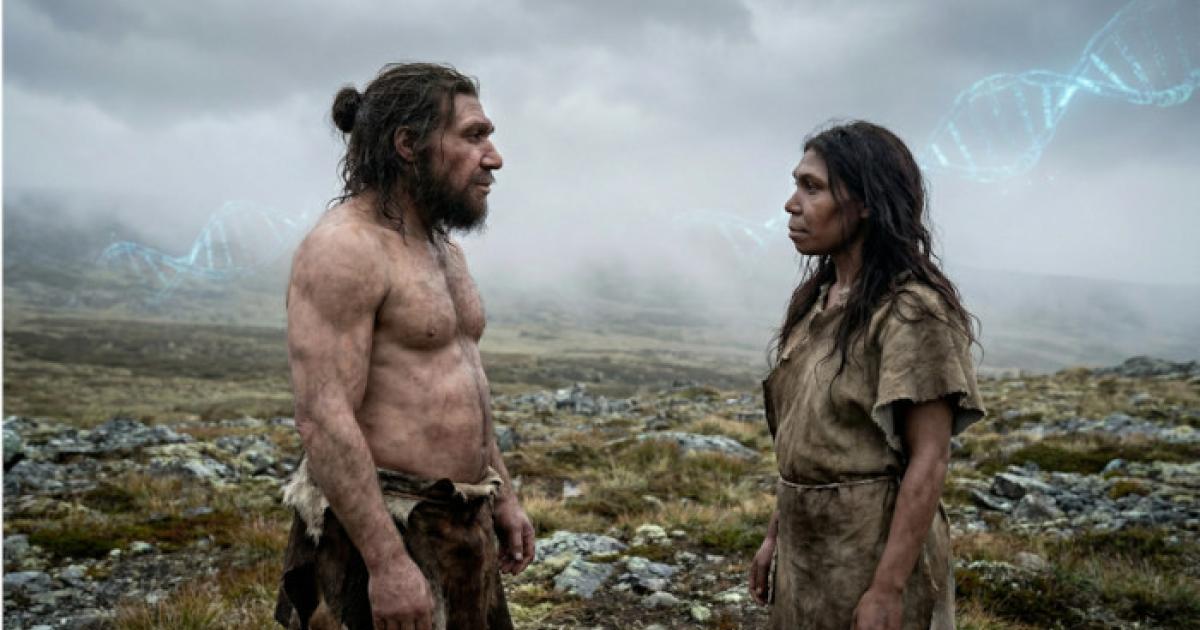
Researchers believe the explanation lies in the direction of interbreeding. Because females have two X chromosomes and males have one X and one Y chromosome, repeated pairings between Neanderthal males and modern human females would gradually introduce more modern human X chromosomes into Neanderthal populations. At the same time, this pattern would limit how much Neanderthal X-chromosome DNA was passed into later modern human groups.
In other words, gene flow between the species appears to have occurred predominantly through Neanderthal men and modern human women.
A Social Story Written in DNA
The researchers emphasize that natural selection may still have played some role, but the new findings highlight how social behavior can leave long-lasting genetic signatures. Who reproduced with whom—and how often—may have shaped the structure of our genomes as much as biological compatibility.
However, the genetic evidence cannot explain why this sex bias occurred. Scientists cannot determine whether these interactions reflected voluntary relationships, population dynamics during human migrations, or more complex social situations. DNA can reveal outcomes, but not motivations.
A More Complex Picture of Human Evolution
The study adds another piece to the puzzle of how ancient human groups interacted. Along with other mysteries—such as the disappearance of the Neanderthal Y chromosome from modern human populations—it suggests that human evolution was influenced not only by environment and survival pressures, but also by migration, cultural contact, and the complicated realities of encounters between closely related human groups.